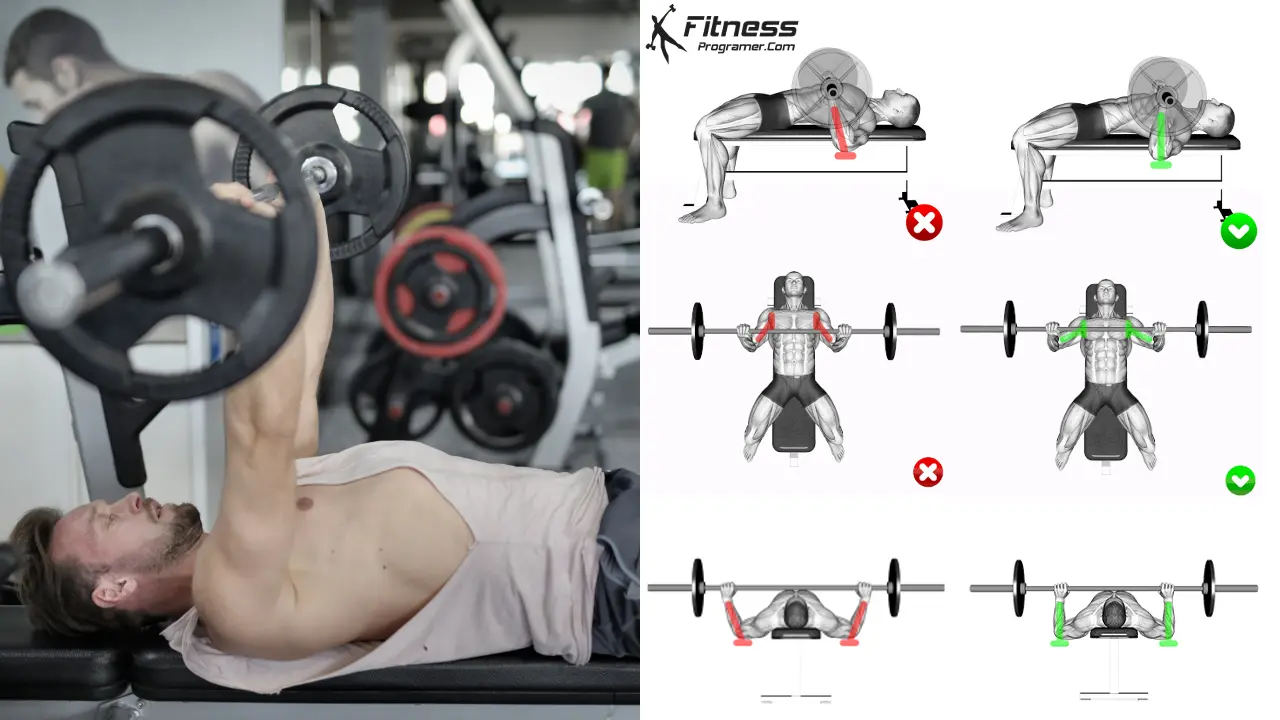
The bench press is one of the most effective upper-body strength exercises, yet many lifters finish their sets with tired shoulders and triceps while their chest barely feels like it worked.
If you can’t feel your chest during the bench press, it doesn’t automatically mean your chest isn’t being trained. The pectoralis major is still highly involved in the movement, but several technical and individual factors can shift more of the workload toward the shoulders and triceps.
Understanding why this happens can help you improve your technique, build a stronger mind-muscle connection, and make your pressing workouts more effective.
Does Feeling Your Chest Matter?
One of the biggest misconceptions in strength training is that muscle soreness or a strong “pump” is required for muscle growth.
Research suggests that the pectoralis major is consistently one of the primary muscles activated during the bench press, even when lifters don’t consciously feel it working.
In other words, the absence of a burning sensation doesn’t necessarily mean your chest isn’t contributing.
However, if your shoulders or triceps always fatigue long before your chest, improving your technique may allow the pectoral muscles to contribute more effectively.
1. Your Grip Is Too Narrow
Grip width significantly influences how force is distributed across the upper body.
A very narrow grip generally increases elbow extension demands, causing the triceps to perform a greater share of the work.
While narrow-grip bench presses are excellent for triceps development, they may reduce the emphasis placed on the chest compared with a moderate grip.
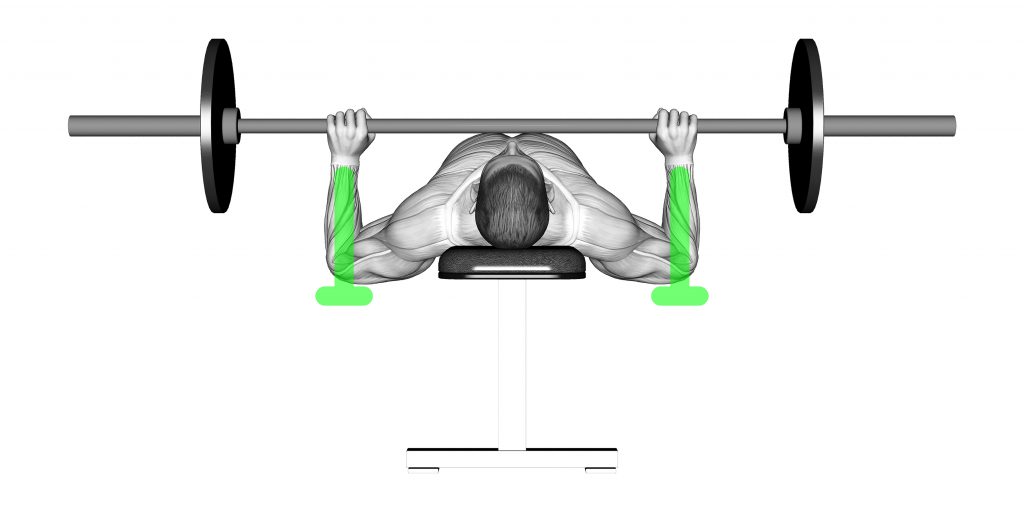
For most lifters, placing the hands approximately 1.5 times shoulder width provides a comfortable balance between chest involvement, shoulder comfort, and pressing strength.
Avoid selecting an extremely wide grip simply to “feel the chest.” Excessively wide grips may increase shoulder stress without necessarily improving long-term results.
2. Your Elbows Are Too Close to Your Body
Some lifters keep their elbows almost touching their torso throughout the entire repetition.
Although this position may feel safer, it often shifts more work toward the triceps.
Instead, allow the elbows to travel naturally at roughly 45–70 degrees relative to your torso.
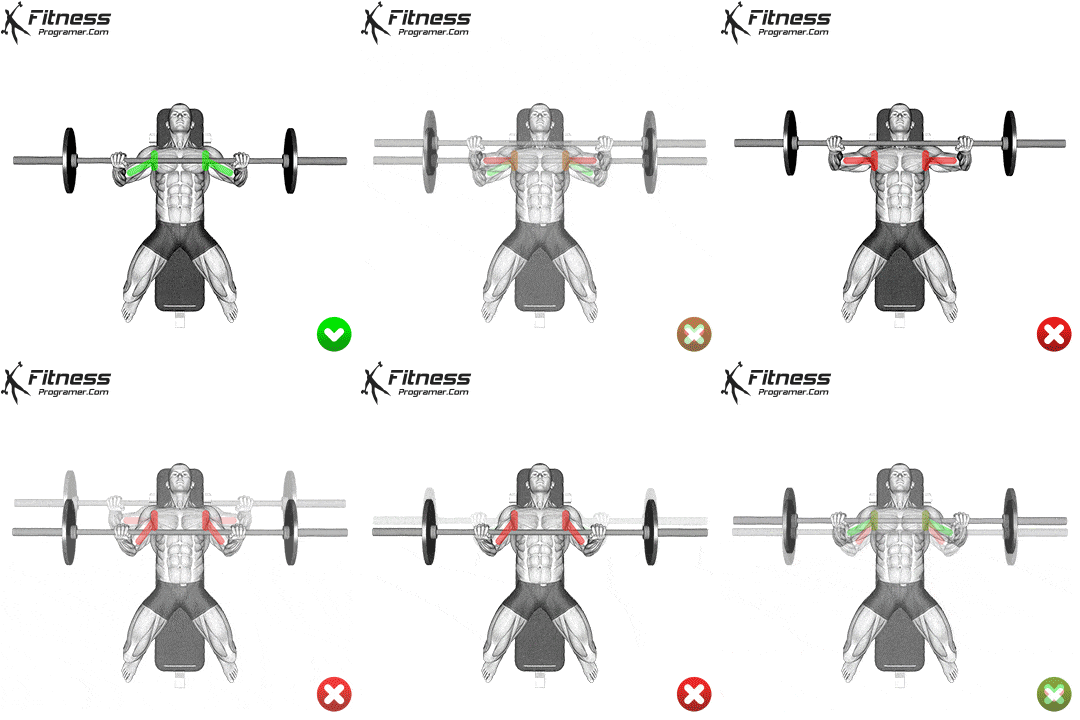
This position generally allows the pectoralis major to contribute efficiently while maintaining good shoulder mechanics.
Rather than forcing a specific angle, aim for a movement that feels stable and pain-free.
3. You’re Pressing Mostly With Your Shoulders
The bench press begins before the bar even leaves the rack.
If your shoulders remain elevated or unstable throughout the movement, the anterior deltoids may dominate the lift.
Before unracking the bar:
- Pull your shoulder blades together.
- Gently depress the shoulders.
- Maintain upper-back tension.
- Keep your chest lifted throughout the set.
This stable position creates a stronger base from which the chest muscles can generate force.
For a complete exercise guide, see the Bench Press exercise page:
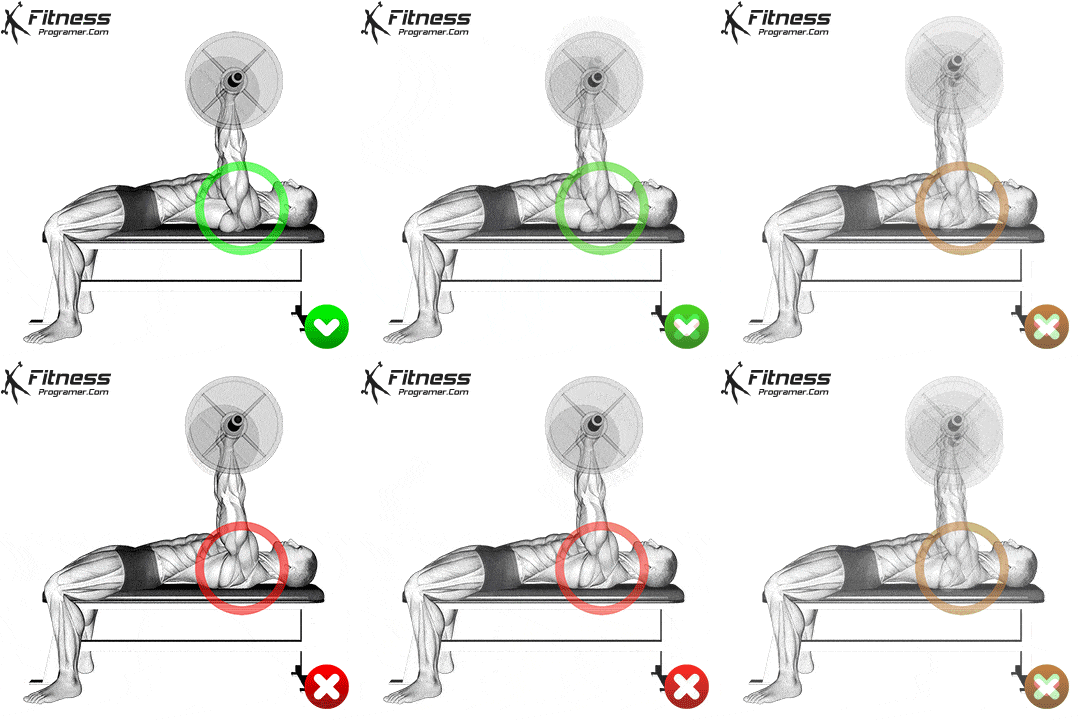
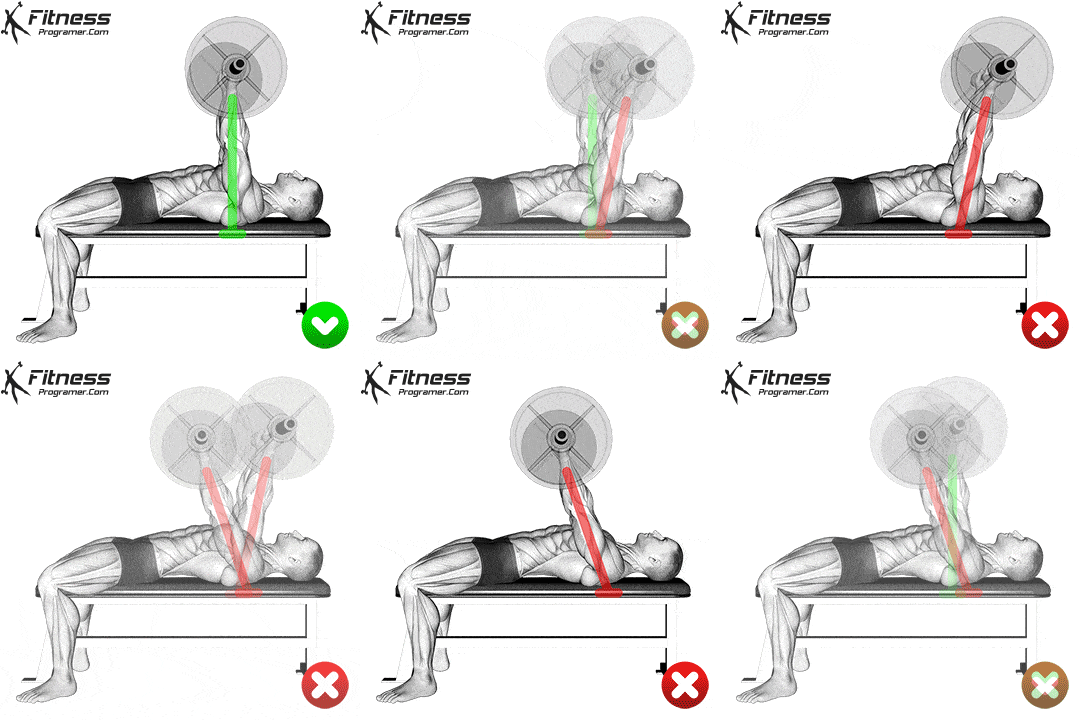
4. The Bar Path Isn’t Optimal
Many beginners press the bar straight upward.
In reality, an efficient bench press follows a slight diagonal path.
The bar usually lowers toward the mid-to-lower chest before pressing upward and slightly back toward the shoulders.
A proper bar path keeps the shoulders, elbows, and wrists aligned while allowing the chest to contribute throughout the movement.
Trying to force the bar perfectly vertical may increase unnecessary shoulder stress.
5. You’re Using Too Much Weight
Heavy weights often encourage compensations.
You may:
- Bounce the bar.
- Lose shoulder stability.
- Shorten the range of motion.
- Shift tension toward stronger muscle groups.
If technique deteriorates, reducing the load by 10–15% often results in better chest engagement.
Remember that the goal is not simply moving the bar—it is challenging the target muscles with good mechanics.
6. Your Range of Motion Is Limited
Stopping every repetition several centimeters above your chest reduces the amount of work performed by the pectoral muscles.
Provided your shoulders are healthy and your mobility allows it, lowering the bar under control until it lightly touches the chest generally produces greater muscle involvement.
Avoid bouncing the bar off the chest.
Controlled repetitions are far more effective than using momentum.
7. Your Individual Anatomy Plays a Role
Everyone has different limb lengths, rib cage shapes, shoulder mobility, and muscle insertions.
Some people naturally feel the bench press more in their chest.
Others consistently notice greater triceps or shoulder involvement despite excellent technique.
This variation is completely normal.
Rather than chasing a specific sensation, focus on progressive overload, proper form, and long-term strength improvements.
What Does Research Say?
Electromyography (EMG) research consistently identifies the pectoralis major as one of the primary muscles activated during the bench press.
Studies comparing grip widths have shown that moderate and wide grips tend to produce greater pectoralis major activation than very narrow grips, while narrow grips increase triceps involvement.
Research also demonstrates that the anterior deltoid remains highly active throughout the lift, explaining why shoulder fatigue can occur if technique becomes inefficient.
The key takeaway is simple:
Your chest is almost certainly working—but technique determines how much of the workload it shares with the shoulders and triceps.
How to Feel Your Chest More During Bench Press
Before your next workout, try this simple checklist:
- Use a moderate grip width.
- Retract and depress your shoulder blades.
- Keep your chest lifted.
- Lower the bar under control.
- Let the elbows move naturally.
- Press through your palms rather than your fingertips.
- Pause briefly on the chest without bouncing.
- Focus on driving your upper arms toward the midline rather than simply pushing the bar upward.
Many lifters notice immediate improvements simply by slowing the lowering phase and maintaining upper-back tension.
Exercises That Improve Chest Activation
If you struggle to feel your chest during the bench press, adding isolation exercises before or after your compound pressing may help improve your mind-muscle connection.
Useful options include:
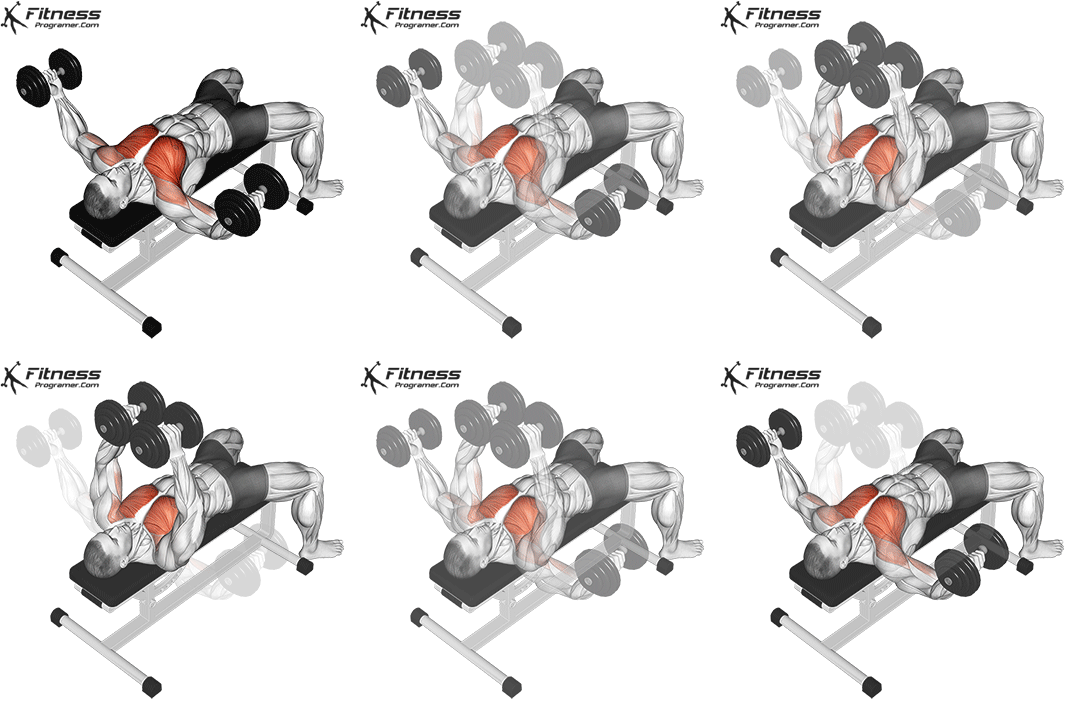
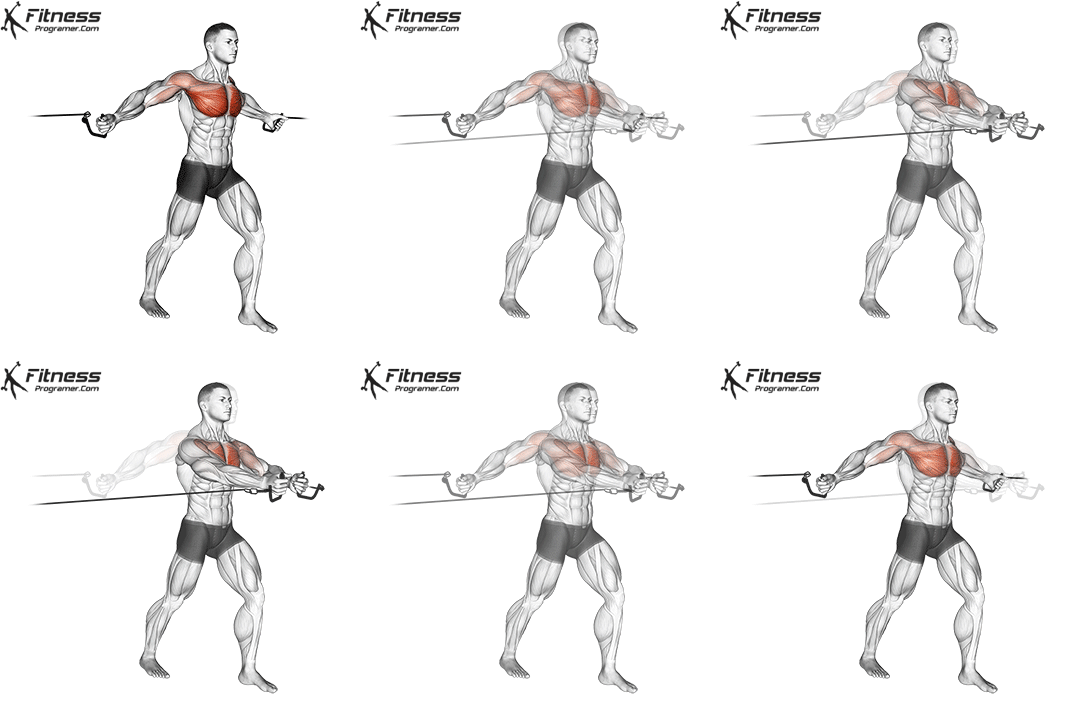
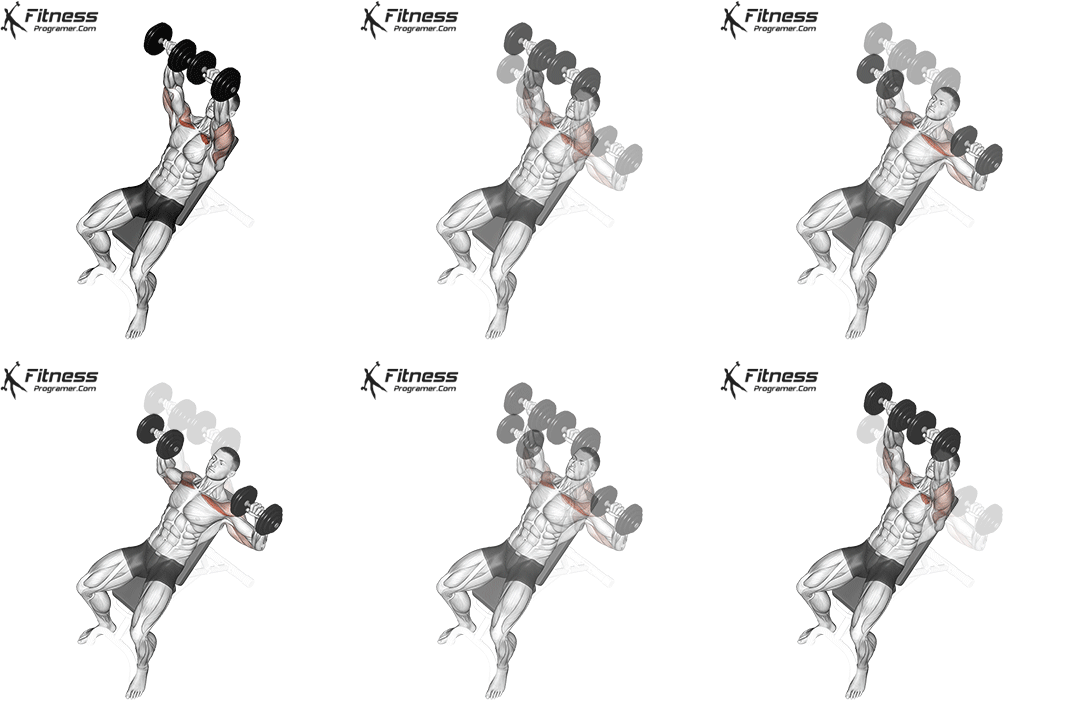
These exercises place the chest under tension through different movement patterns and may help some lifters better understand how the pectoral muscles contract.
Frequently Asked Questions
Is it normal not to feel your chest during bench press?
Yes. Many lifters experience more fatigue in their shoulders or triceps, especially when learning proper technique. This does not necessarily mean the chest isn’t working.
Should I reduce the weight?
If your technique breaks down or your shoulders dominate every repetition, lowering the weight temporarily is often beneficial.
Does a wider grip build a bigger chest?
Not necessarily. A moderate grip generally provides an effective balance between chest activation, shoulder comfort, and overall pressing strength.
Should I arch my back?
A natural arch is normal and helps create a stable pressing position. Excessive arching solely to shorten the range of motion is generally unnecessary for most recreational lifters.
Conclusion
If you can’t feel your chest during the bench press, don’t assume the exercise isn’t working. In most cases, the chest remains one of the primary muscles involved, but grip width, elbow position, shoulder stability, bar path, and training load determine how effectively it contributes.
Rather than chasing soreness or an intense pump, focus on consistent technique, controlled repetitions, and progressive overload. Over time, improved mechanics will not only help you feel your chest more but also make your bench press stronger and more efficient.
References
- Barnett C, Kippers V, Turner P. Effects of Variations of the Bench Press Exercise on the EMG Activity of Five Shoulder Muscles. Journal of Strength and Conditioning Research.
- Saeterbakken AH, et al. Effects of Grip Width on Muscle Strength and Activation in the Bench Press. Journal of Human Kinetics.