Movement is not random. It follows structure, physics, and neuromuscular design. Every athletic performance, every lift in the gym, and every daily task—from rising out of a chair to accelerating into a sprint—follows predictable mechanical patterns. These patterns are not invented by fitness culture; they are embedded in human anatomy and motor development.
When coaches refer to “fundamental movements,” they are describing the foundational movement patterns that organize human motion. These patterns represent the primary ways joints coordinate to produce force, absorb force, and transfer force efficiently through the kinetic chain.
Understanding these patterns is not simply a theoretical exercise. It determines how programs are built, how injuries are prevented, how performance is enhanced, and how longevity in training is achieved.
This article provides a comprehensive and evidence-informed breakdown of the basic movements, their biomechanical characteristics, their neuromuscular significance, and how they should be integrated into intelligent programming.
Defining Basic Movements
Basic movements—also referred to as fundamental movement patterns—are multi-joint coordinated actions that form the structural basis of human motion. They differ from isolated muscle actions because they involve synchronized joint movement across multiple segments of the body.
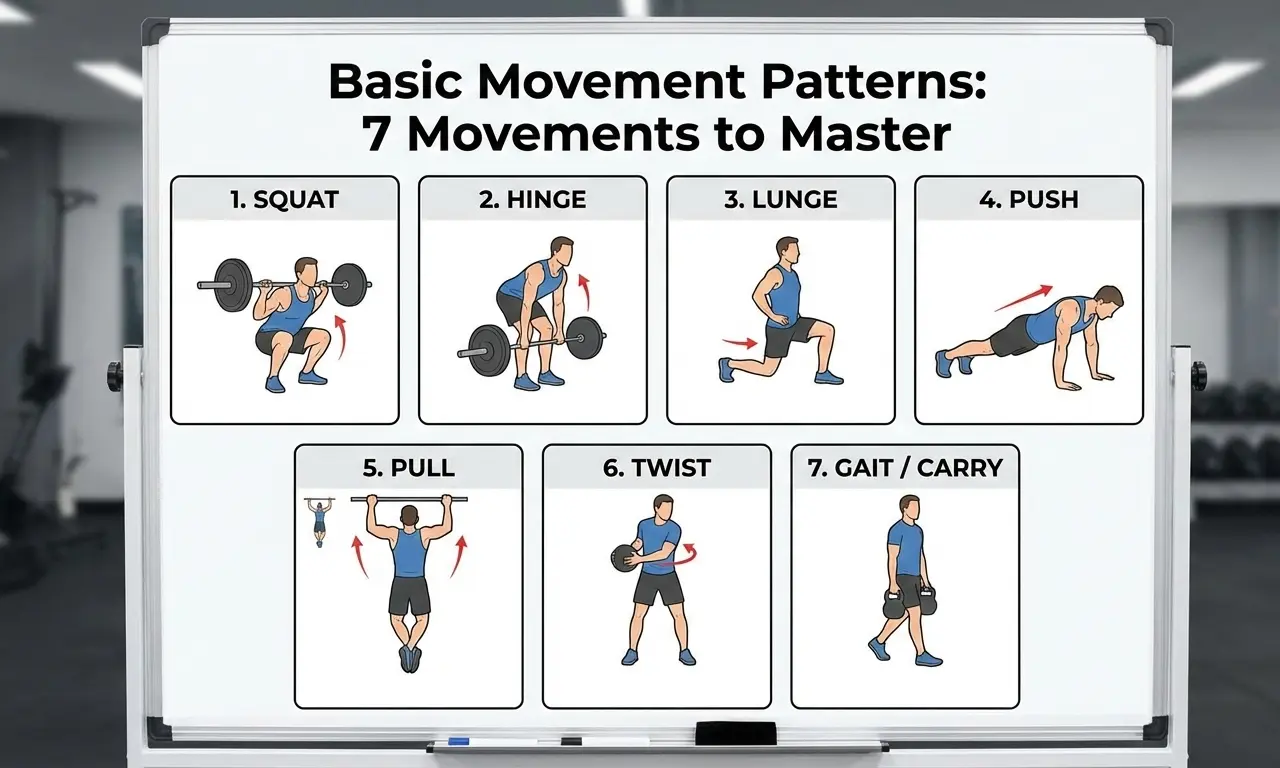
Rather than thinking in terms of “chest day” or “leg day,” movement-based training organizes exercise around patterns such as:
- Squat
- Hinge
- Lunge
- Push
- Pull
- Rotation
- Gait (locomotion)
This classification is widely used in modern strength and conditioning systems, including frameworks popularized by coaches such as Gray Cook and Michael Boyle, who emphasize movement quality before load progression.
The Seven Basic Movement Patterns Explained in Detail
1. The Squat Pattern
When I teach the squat, I’m not just teaching someone to bend their knees. I’m teaching them how to sit into their hips while keeping their spine controlled and their feet grounded. A strong squat pattern tells me the lower body can produce force and absorb load efficiently. If someone struggles here, it usually reveals mobility limitations or poor trunk control that need attention before heavier loading.
The squat is the foundation of vertical force production. It’s how we sit down, stand up, and prepare to jump. Mastering it early pays dividends later.
Mechanical Characteristics
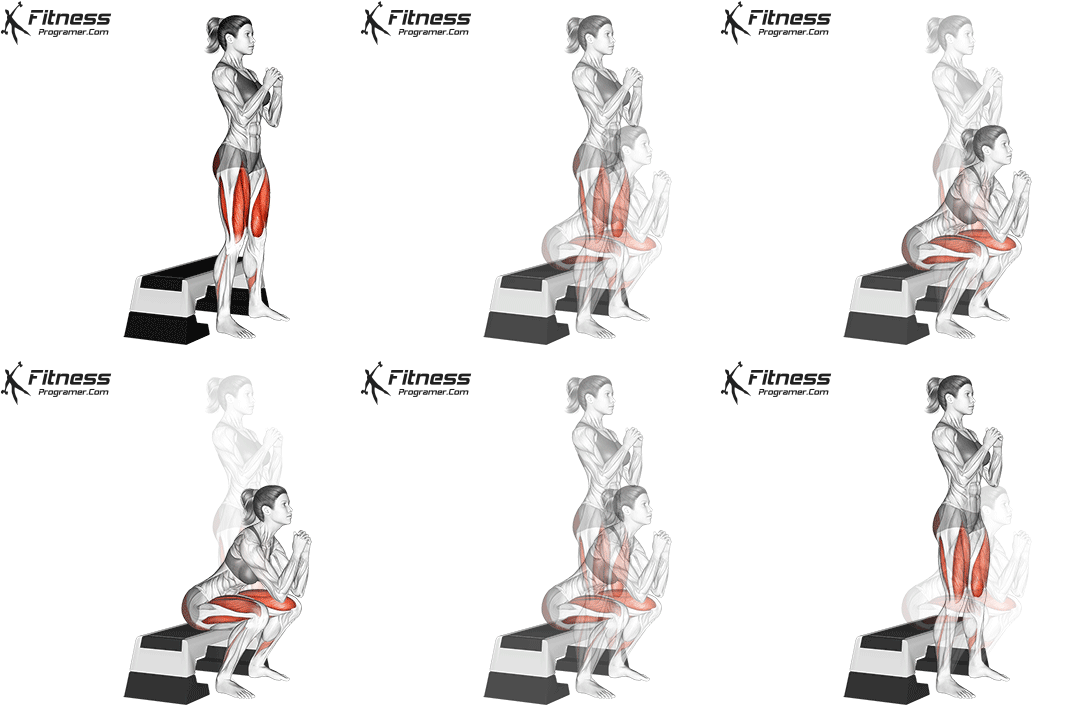
The squat involves:
- Hip flexion
- Knee flexion
- Ankle dorsiflexion
- Coordinated trunk stabilization
As you stand up, the hips and knees extend, and the ankles move back toward their starting position.”
Kinetic Chain Role
The squat distributes load vertically through the lower body and challenges spinal stability under compressive forces.
Primary Musculature
- Quadriceps femoris
- Gluteus maximus
- Adductor magnus
- Erector spinae
- Deep core stabilizers
Neuromuscular Significance
The squat enhances lower-body force production and motor unit recruitment. Research by Schoenfeld (2010) in the Journal of Strength and Conditioning Research confirmed high activation of both quadriceps and gluteal musculature during squat variations, supporting its role in hypertrophy and strength development.
Functional Transfer
- Sit-to-stand mechanics
- Jump preparation
- Lifting mechanics
2. The Hinge Pattern
The hinge is where I see the biggest difference between recreational lifters and technically sound movers. Many people bend through their spine when they should be hinging through their hips. When I coach the hinge, I focus on pushing the hips back while maintaining a stable torso. Done correctly, you feel tension load into the hamstrings and glutes—not your lower back.
This pattern is essential for posterior chain development and spinal longevity. It’s also the engine behind sprinting and explosive hip extension.
Mechanical Characteristics
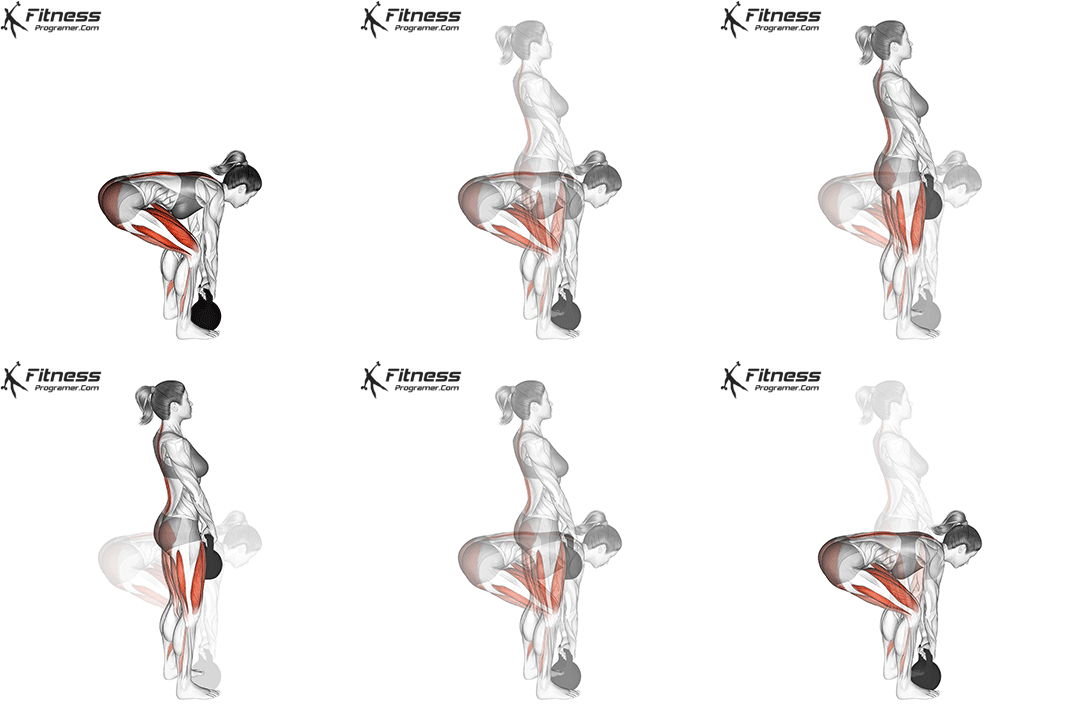
The hinge is hip-dominant movement characterized by:
- Significant hip flexion
- Minimal knee flexion
- Neutral spinal alignment
Followed by powerful hip extension.
Posterior Chain Emphasis
The hinge loads the posterior chain:
- Hamstrings
- Gluteus maximus
- Erector spinae
Spinal Protection
Stuart McGill emphasizes that proper hip hinge mechanics reduce lumbar shear forces and protect spinal integrity during lifting tasks.
Athletic Application
- Sprint acceleration
- Deadlifting
- Jump propulsion
The hinge pattern is central to power development because hip extension is the primary driver of explosive movement.
3. The Lunge Pattern
Unilateral strength exposes imbalances quickly. The moment someone steps into a lunge, asymmetries show up—hip stability, knee control, balance. I value lunges because they reflect real life. We don’t move symmetrically outside the gym. We climb stairs, change direction, and shift weight from one leg to the other constantly.
A well-developed lunge pattern builds resilience in the hips and knees while improving coordination.
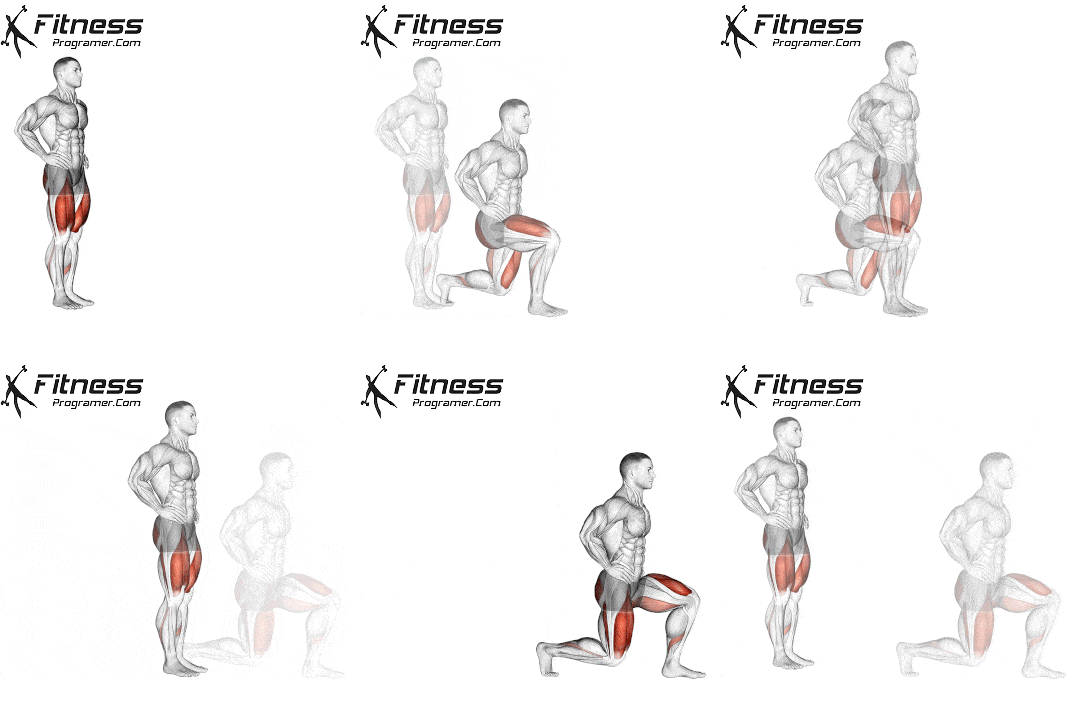
Mechanical Characteristics
The lunge introduces unilateral loading and involves:
- Independent limb control
- Frontal plane stabilization
- Hip and knee flexion-extension
Stability Demand
Unlike bilateral patterns, the lunge challenges:
- Pelvic stability
- Hip abductor strength
- Neuromuscular balance
Research by McCurdy et al. (2005) demonstrated that unilateral strength training improves bilateral force output and reduces asymmetries.
Real-World Function
Human gait is inherently unilateral. Therefore, lunging is essential for:
- Stair climbing
- Direction changes
- Athletic deceleration
4. The Push Pattern
Pushing movements look simple, but they reveal a lot about shoulder health and trunk control. Whether it’s horizontal pushing like a push-up or vertical pressing overhead, I watch how the scapula moves and whether the ribcage stays controlled.
If the push pattern is strong and balanced, it supports upper-body strength without compromising shoulder integrity. If it’s weak or unstable, compensation tends to show up quickly.
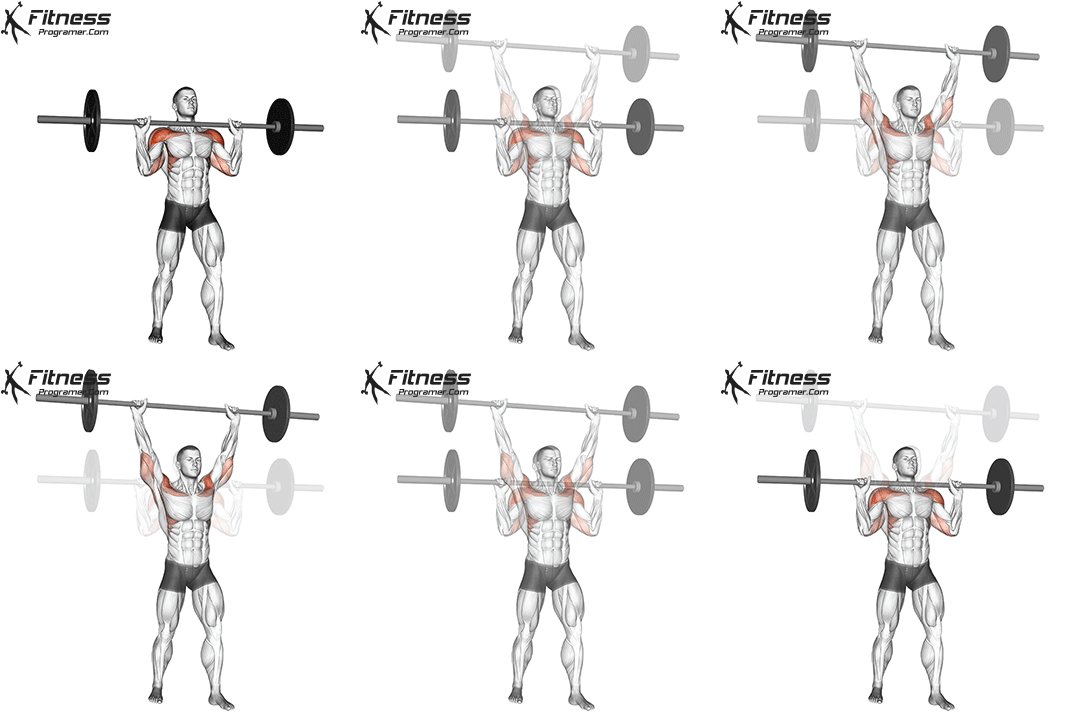
Push movements produce force away from the body and can be divided into:
- Horizontal push (push-ups, bench press)
- Vertical push (overhead press)
Joint Actions
- Shoulder horizontal adduction or flexion
- Elbow extension
- Scapular protraction or upward rotation
Muscular Involvement
- Pectoralis major
- Deltoids
- Triceps brachii
- Serratus anterior
Structural Importance
Balanced push development enhances shoulder stability and upper-body strength necessary for sport and daily tasks.
5. The Pull Pattern
In my experience, most people don’t pull enough. Strong pulling patterns balance out pushing volume and protect the shoulders. When I coach rows or pull-ups, I focus on initiating the movement from the scapula rather than the arms.
Pulling strengthens the posterior upper body and reinforces posture. It’s one of the most underrated patterns for long-term joint health.
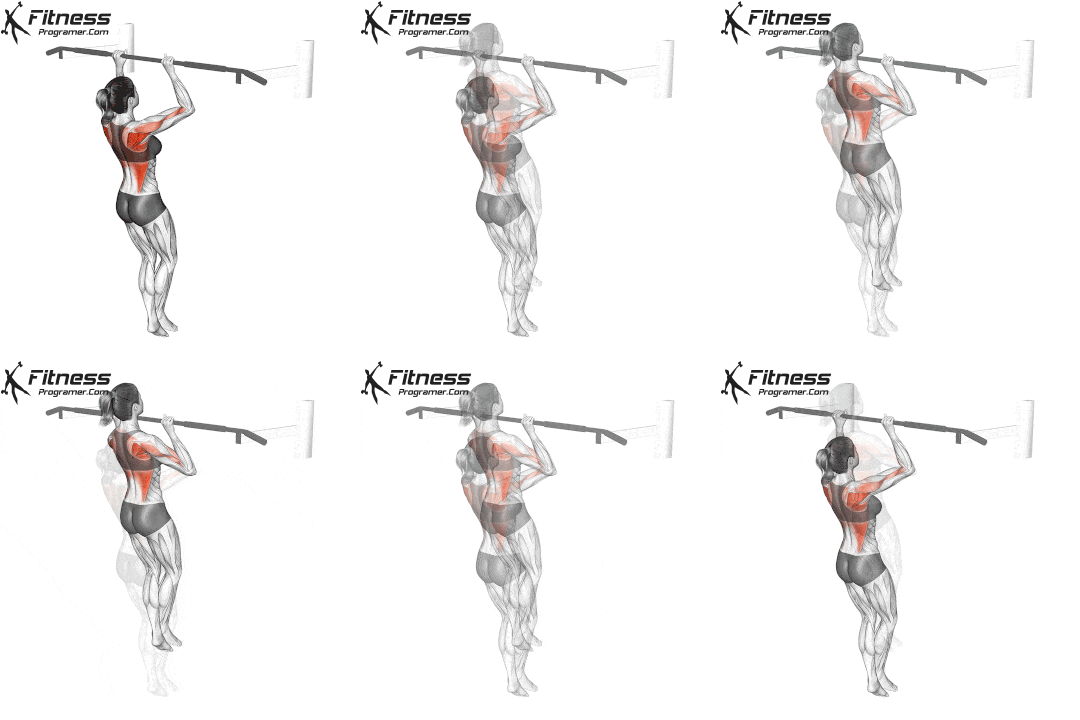
Pulling movements bring resistance toward the body.
Horizontal Pull
- Row variations
Vertical Pull
- Pull-ups
- Lat pulldowns
Muscles Involved
- Latissimus dorsi
- Rhomboids
- Trapezius
- Posterior deltoids
- Biceps brachii
Injury Prevention Role
Cools et al. (2014), in the British Journal of Sports Medicine, highlighted the importance of scapular stability in reducing shoulder injury risk, particularly in overhead athletes.
Balanced push-to-pull ratios maintain joint centration and shoulder health.
6. The Rotation Pattern
Humans are rotational beings. Even walking involves rotational mechanics. When I program rotational work, I’m thinking about force transfer—how power moves from the lower body through the trunk into the upper body.
Rotation isn’t just about twisting. It’s also about resisting rotation. Anti-rotation work builds trunk stiffness, which improves performance and reduces unwanted spinal stress.
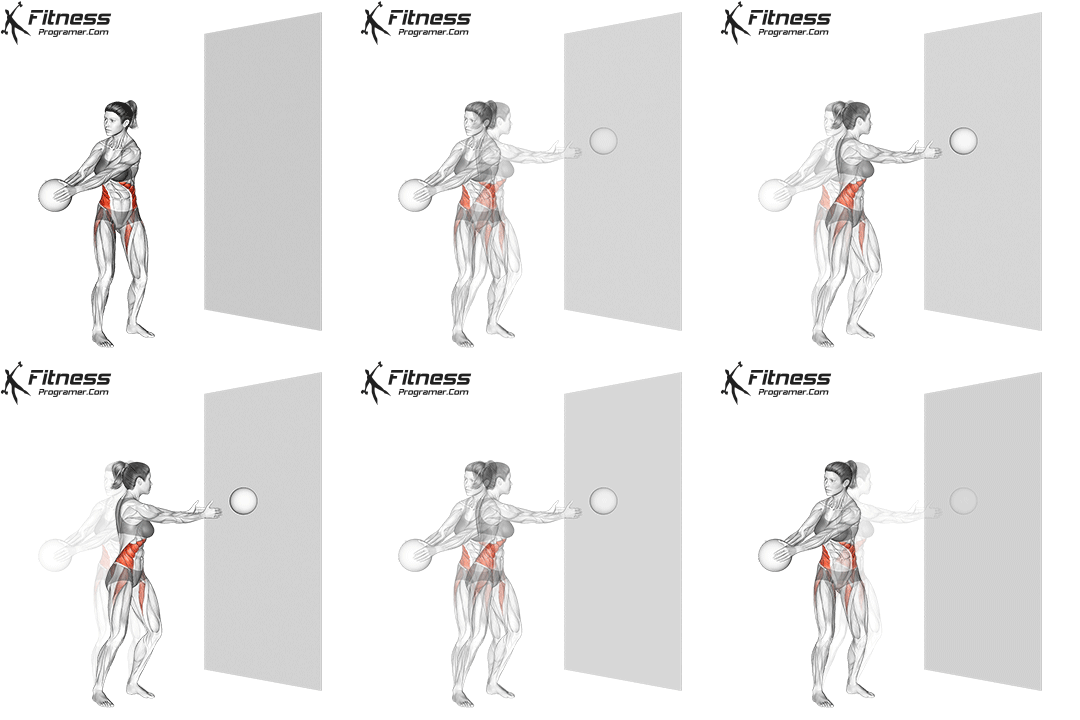
Human movement is not purely linear. Rotation is fundamental for:
- Throwing
- Swinging
- Striking
- Changing direction
Rotational Force Production
Involves concentric contraction of:
- Obliques
- Transverse abdominis
- Hip rotators
Anti-Rotation
Equally important is resisting unwanted rotation, improving trunk stiffness and force transfer.
Behm et al. (2010) demonstrated that core stability significantly influences force transmission between the lower and upper extremities.
7. Gait and Locomotion
Walking, running, carrying—these are the ultimate integration tests. Gait combines stability, coordination, and rhythm. I often use loaded carries because they challenge posture, grip strength, and core control simultaneously.
If someone moves well under load while walking, it tells me their system is functioning cohesively.

Gait integrates all patterns into coordinated locomotion.
Components of Efficient Gait
- Alternating hip flexion and extension
- Ankle plantarflexion
- Arm swing coordination
- Core stabilization
Loaded carries enhance:
- Grip strength
- Postural integrity
- Anti-lateral flexion strength
Gait is the ultimate expression of integrated movement.
Movement Patterns and the Kinetic Chain
The body operates as a linked system. Weakness or dysfunction in one pattern affects others.
For example:
- Limited ankle mobility impairs squat mechanics.
- Weak glute activation compromises hinge power.
- Poor scapular stability disrupts push mechanics.
This interconnectedness aligns with the kinetic chain model, where force must transfer efficiently from one segment to the next.
When programming around basic movement patterns rather than isolated muscles, we build integrated strength. That integration is what transfers to sport and real life.
Programming the Basic Movements
A well-structured program should include all seven patterns weekly.
Balanced Weekly Template
- 1 squat variation
- 1 hinge variation
- 1 unilateral (lunge) variation
- 1 horizontal push
- 1 horizontal pull
- 1 vertical push or pull
- 1 rotational or anti-rotational drill
- 1 locomotion-based movement
Frequency
ACSM guidelines recommend training major movement patterns 2–3 times per week for optimal adaptation (ACSM, 2009).
Intensity Parameters
- Strength: 3–6 reps
- Hypertrophy: 6–12 reps
- Muscular endurance: 12–20 reps
Common Errors in Understanding Basic Movements
- Confusing exercises with patterns
- Ignoring unilateral work
- Neglecting rotational training
- Overemphasizing sagittal plane
- Training load before mastering control
Mastery of movement quality precedes performance enhancement.
Basic Movements Across the Lifespan
Youth Development: Early exposure to squatting, lunging, pushing, pulling, and rotational drills enhances motor literacy.
Adults: Balanced pattern training supports metabolic health and musculoskeletal resilience.
Older Adults: Maintaining squat and gait capacity directly correlates with independence and fall prevention.
Why Movement Patterns Matter More Than Muscle Isolation
Muscles never function in isolation during real-world tasks. The nervous system organizes movement around tasks, not individual muscles.
Training movement patterns:
- Enhances coordination
- Improves energy transfer
- Reduces compensatory stress
- Builds durable strength
Isolated exercises have value but should complement—not replace—pattern-based training.
Final Perspective
The basic movements are not trends or fitness industry terminology. They represent the mechanical language of human motion. Squat, hinge, lunge, push, pull, rotate, and walk—these are the patterns that define how the body interacts with gravity and external load.
When these patterns are strong, controlled, and balanced, performance improves and injury risk declines. When they are neglected, dysfunction emerges.
Master the patterns first. Strength, power, and resilience follow.
— Thomas Richards
References
- American College of Sports Medicine. (2009). Progression models in resistance training for healthy adults. Medicine & Science in Sports & Exercise, 41(3), 687–708.
- Behm, D. G., Drinkwater, E. J., Willardson, J. M., & Cowley, P. M. (2010). The use of instability to train the core musculature. Sports Medicine, 40(1), 73–87.
- Cools, A. M., et al. (2014). Rehabilitation of scapular dyskinesis. British Journal of Sports Medicine, 48(8), 692–697.
- Kraemer, W. J., & Ratamess, N. A. (2009). Fundamentals of resistance training. Journal of Strength and Conditioning Research, 23(5), 674–688.
- McCurdy, K., et al. (2005). The effect of unilateral strength training. Journal of Strength and Conditioning Research, 19(1), 9–15.
- McGill, S. (2007). Low Back Disorders: Evidence-Based Prevention and Rehabilitation. Human Kinetics.
- Schoenfeld, B. J. (2010). Squatting kinematics and kinetics. Journal of Strength and Conditioning Research, 24(12), 3497–3506.