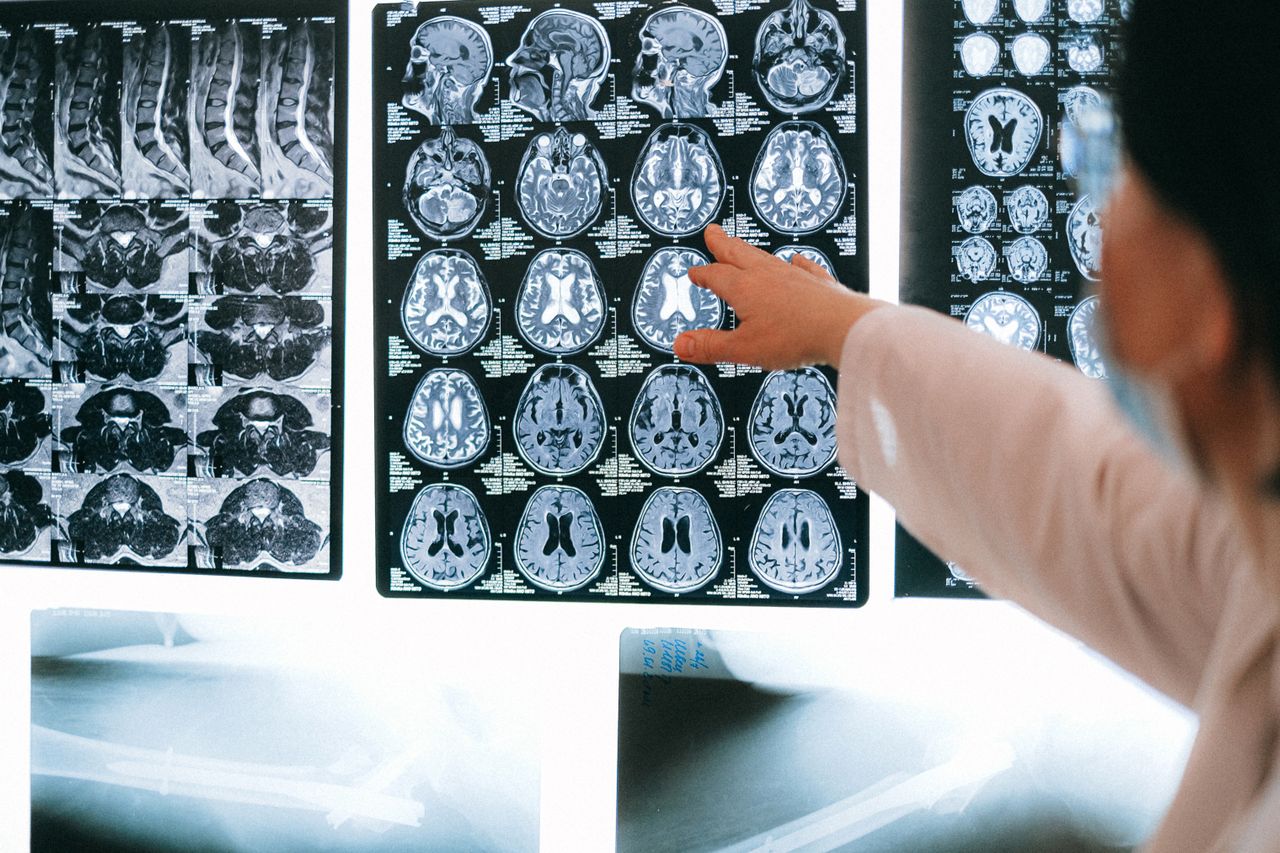
Cerebral palsy (CP) refers to a range of conditions affecting body movement and muscle coordination. A common motor disorder in children, CP is a non-progressive condition, but the symptoms may evolve as the individual matures. Adults with CP experience gradual muscle weakness, making walking, climbing stairs, and standing up from the chair more difficult. Strength exercises can help patients to maintain independence into adulthood. Here are three tips to get started with strength training and keep progressing.
Get Medical Clearance and Understand the Condition First
Before performing any physical activity, people with CP need to be aware of how the disease impacts their individual body. The condition is caused by abnormal development of the brain or damage to the brain as it develops, which can occur either before birth, during birth or soon after birth. In many families, the cause traces back to a birth injury, such as a delay in treating a baby who was short on oxygen.
Before starting a lifting plan, people with CP should review medical and legal information on Cerebral Palsy online. Many informative resources are available like, https://www.cerebralpalsyguide.com/legal/, where anyone can learn how the condition affects muscles and what support may help pay for therapy and adaptive equipment.
With that information, a doctor or physical therapist can confirm which exercises are safe. Before the first session, people with CP should ask their care team to name the muscles that need strengthening, the movements to avoid and any warning signs to watch for.
Start Light and Build Strength Slowly
It was believed for many years that lifting may worsen spasticity in CP patients. However, a review study reported the lack of increase in spasticity during and after strength training. As a result, it may be considered an acceptable activity for many people with CP. For novices, they recommended a simple and gradual approach in three steps:
- Getting acquainted with exercise: It can be done with two training sessions per week for two to four weeks with minimal weight and very easy single-joint exercises, such as leg extension.
- Increasing Intensity: It can be done with two to four sessions per week on nonconsecutive days with one to three sets of six to15 reps at a moderate-to-high intensity level.
- Consistency: It involves training for at least 12 to 16 weeks consecutively, with increasing the number of multi-joint exercises, such as squats, in line with improvements in strength.
During the first session in the gym, trainees may write down all exercises, weight, and reps. Having this log will help them to gradually increase the load and observe visible progress over several months.
Watch for Overtraining and Keep the Habit Going
It is essential to consult professionals to identify early indicators of overtraining. For someone with CP, tiredness may come faster because of tightened muscles, which may require more effort to perform the movement. Several indicators suggest the need for a break from exercising:
- Persistent muscle soreness: Pain that lasts for several days after a training session.
- Decreased form: Shaking or inconsistency in movement in the middle of a set.
- Increased fatigue: A feeling of tiredness that makes completing everyday activities, such as walking or putting clothes on, more difficult.
In this situation, it is important to reduce the weight used or take a break and discuss the problem with a physical therapist. However, taking a complete break from exercise is also not recommended because muscle strength rapidly decreases after discontinuing training.
Endnote
With medical guidance, a slow start and close attention to recovery, teens and adults with CP can build strength that supports everyday life. Over time, each stronger step, smoother transfer and easier stair climb can add up to greater confidence and independence. Just be sure to start today and stay consistent to keep moving toward the active future you want.