
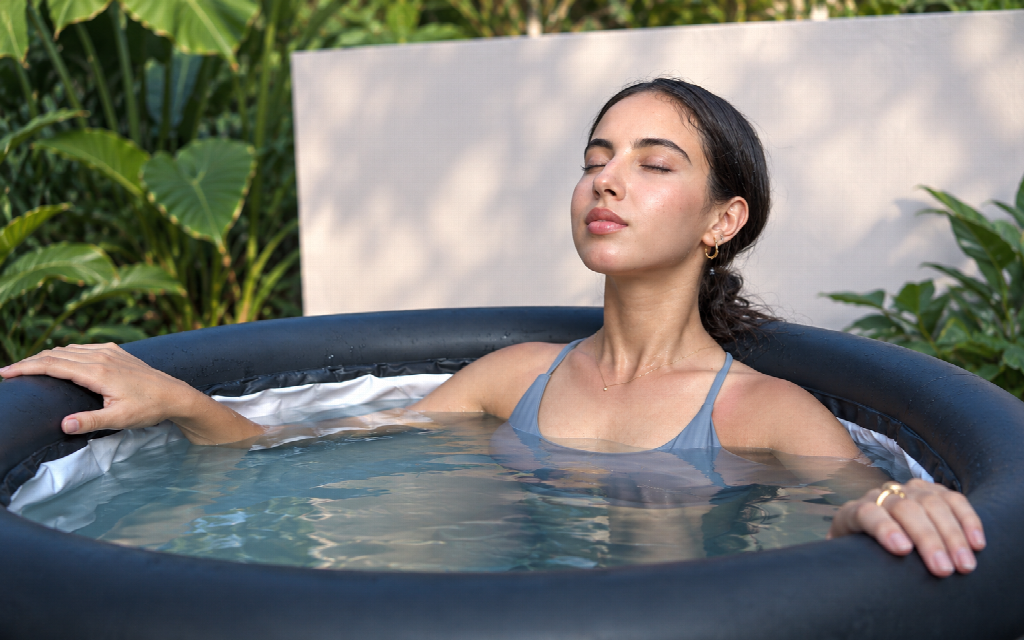
When temperatures drop in late autumn, lifters know what time it is. The outdoor runs stop, and the heavy strength blocks start. Autumn and winter usually mean big barbell numbers: high-volume squats, heavy pulls off the floor, and chasing PRs.
Cold weather, though, makes lifting a bit more punishing. Muscles take twice as long to get warm, tendons feel tight, and the risk of tweaking a joint goes way up. Throw heavy progressive overload on top of low ambient temperatures, and your body ends up taking quite a beating. An intense lifting session does not just tear down muscle fibers; it grinds on your connective tissue, sparks systemic inflammation, and drains your central nervous system (CNS).
Just sitting on the couch after a freezing drive home from the gym will not cut it if you want to stay pain-free. If you want to keep pushing weight without feeling beat up all winter, you need a smarter recovery plan.
Here are five solid recovery tools built for strength athletes, starting with cold water therapy.
1. Cold Water Immersion & Dedicated Cold Plunges
Cold water immersion (CWI) is still tough to beat when it comes to knocking down nasty delayed-onset muscle soreness (DOMS) and chilling out an overstimulated nervous system after heavy work.
Cold water causes blood vessels near the skin to constrict and changes how your body responds to discomfort. Some research suggests that cold-water immersion can help reduce perceived muscle soreness after tough workouts, although it doesn’t necessarily speed up muscle repair.
A lot of lifters start with cheap stock tanks and bags of supermarket ice, but keeping water under 50°F that way gets old and expensive fast. Lifters who want a reliable daily routine are switching to dedicated setups with a proper cold plunge chiller. A good chiller helps maintain your target water temperature and can work with a compatible filtration system , saving you the daily ice run.
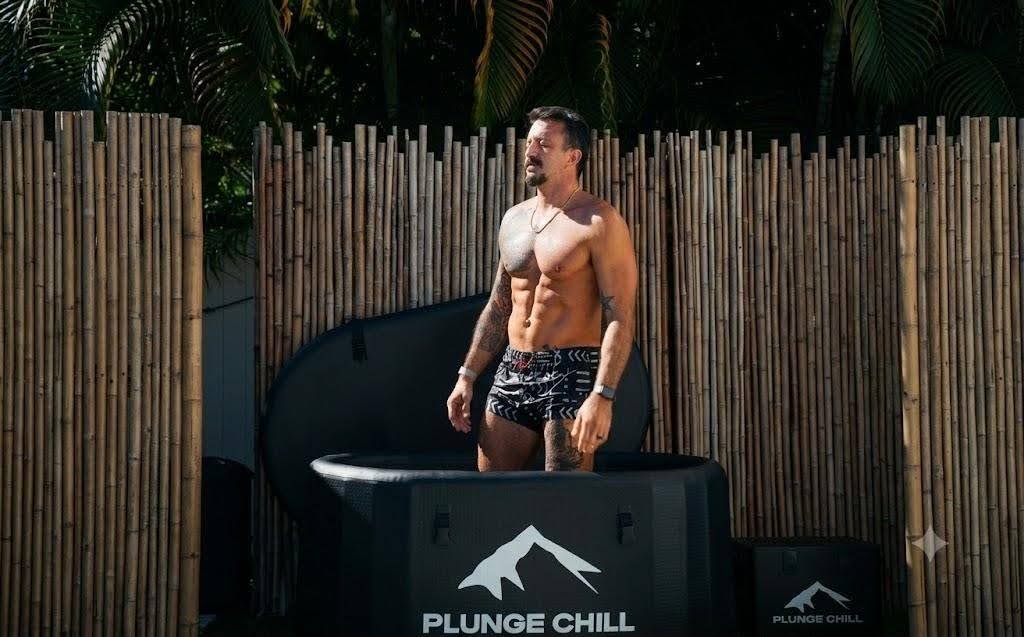
For athletes who want to build a recovery setup at home, Plunge Chill offers at-home cold plunge options that can be used with ice or connected to a compatible chiller. Lifters and other strength athletes can also use code PLUNGE10 for 10% off at checkout.
2. Sports Massage & Hands-On Soft Tissue Work
Good sports massage is about working through tough fascial adhesions and breaking up the deep muscle knots that pile up from months under a heavy bar.
This is nothing like a gentle spa rub. A skilled sports therapist uses deep stripping, direct pressure on trigger points, and cross-fiber work. They focus on the spots that take a beating during heavy lifts—places like the upper traps, rhomboids, glutes, and hips.
A good session can leave tight areas feeling more comfortable and make movement easier for a while. It won’t fix a bad training program or prevent every injury, but plenty of lifters find it useful when soreness starts piling up.
3. Sauna Sessions
Getting into a hot sauna gives you a full-body heat session that works hand-in-hand with cold plunging.
Sitting in a room between 170°F and 195°F gets your heart pumping and dilates your blood vessels, giving you some of the benefits of light cardio without adding any wear and tear to your beaten-up joints. That heat stress kicks off heat shock proteins (HSPs), which help protect cells from stress and help muscle repair along.
On top of the physical side, sitting in the heat helps take your head out of the workout, eases muscle stiffness, and sets you up for much deeper sleep.
4. Pneumatic Compression Boots
Compression boots use air chambers that fill and empty in sequence, pushing pressure up from your feet toward your hips.
If your legs feel like lead after heavy squat or deadlift days, compression boots help move pooled fluids and speed up lymphatic drainage. The mechanical pumping gets your circulation moving while you just sit back in a chair, which makes it easy to use at night while eating dinner, checking your training logs, or watching TV.
5. Mobility Floss Bands
Floss bands are small, cheap, and surprisingly effective for opening up stiff joints and clearing junk out of soft tissue around the knees, elbows, and ankles.
Wrap the band snugly around the area you’re working on, then move through a few controlled reps. Some lifters find that it temporarily makes a stiff ankle or knee feel easier to move. The research is still limited, though, and wrapping too tightly can cause numbness or circulation problems.
Making Cold Exposure Work in a Strength Routine
Cold water immersion is everywhere in the strength community right now. You see tubs in serious powerlifting gyms, CrossFit boxes, and home garage gyms alike. It has gone from something only pro athletes did to a common tool for resetting after a hard workout.
Still, cold is a real physiological stressor, so you want to be smart about how you use it. If you want the anti-inflammatory perks without shortchanging your muscle gains, keep these rules in mind:
- Watch Your Timing: If you’re in a dedicated hypertrophy phase, think twice before making an ice bath your automatic post-lifting ritual. Some research suggests that repeated cold-water immersion immediately after resistance training may interfere with muscle growth over time. Consider using it on separate days instead.
- Keep an Eye on Temp and Time: You don’t need near-freezing water to get started. Begin with a manageable temperature, keep your first sessions brief, and pay attention to how your body responds. Going colder or staying longer doesn’t automatically mean better recovery.
- Get the Basics Right First: A cold tub is a great tool, but it will not fix poor habits. If your protein intake is low, your hydration is off, or you are sleeping five hours a night, no amount of ice water will save your recovery.
Final Thoughts on Strength Recovery
Progressive overload in the gym only works if you give your body the tools to rebuild between workouts. When you combine targeted mobility work with hot and cold exposure, you keep inflammation from getting out of hand and keep your body moving well through the heaviest winter cycles.