
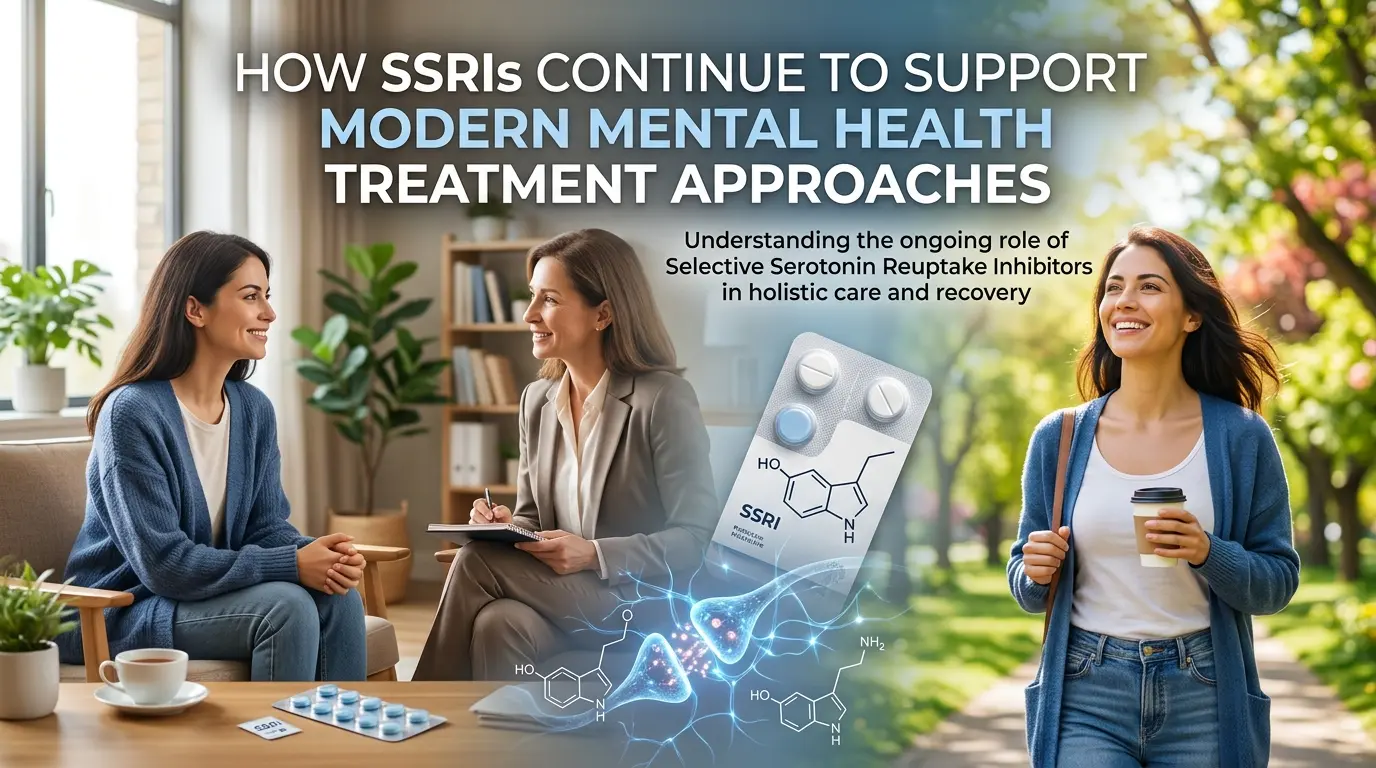
Mental health care in the United States has undergone a remarkable transformation over the past three decades. Once shrouded in stigma and misunderstanding, conditions like depression, anxiety, and obsessive-compulsive disorder are now recognized as legitimate medical conditions requiring evidence-based treatment. At the heart of this revolution stands a class of medications that changed the landscape of psychiatry: selective serotonin reuptake inhibitors, or SSRIs. Since their introduction in the late 1980s, SSRIs have become a cornerstone of psychiatric care, helping millions of Americans reclaim their lives. Yet, as our understanding of mental health deepens, these medications continue to evolve in how they are prescribed, combined with therapy, and integrated into holistic wellness plans. This article explores the enduring role of SSRIs in modern mental health treatment and why they remain a vital tool for clinicians and patients alike.
Understanding How SSRIs Work in the Brain
To appreciate the impact of SSRIs, it helps to understand the basic neuroscience behind them. The brain communicates through chemical messengers called neurotransmitters. Serotonin, often called the “feel-good” neurotransmitter, plays a crucial role in regulating mood, sleep, appetite, and emotional stability. In many individuals with depression or anxiety disorders, serotonin levels are insufficient or the brain’s receptors do not respond effectively to the serotonin available.
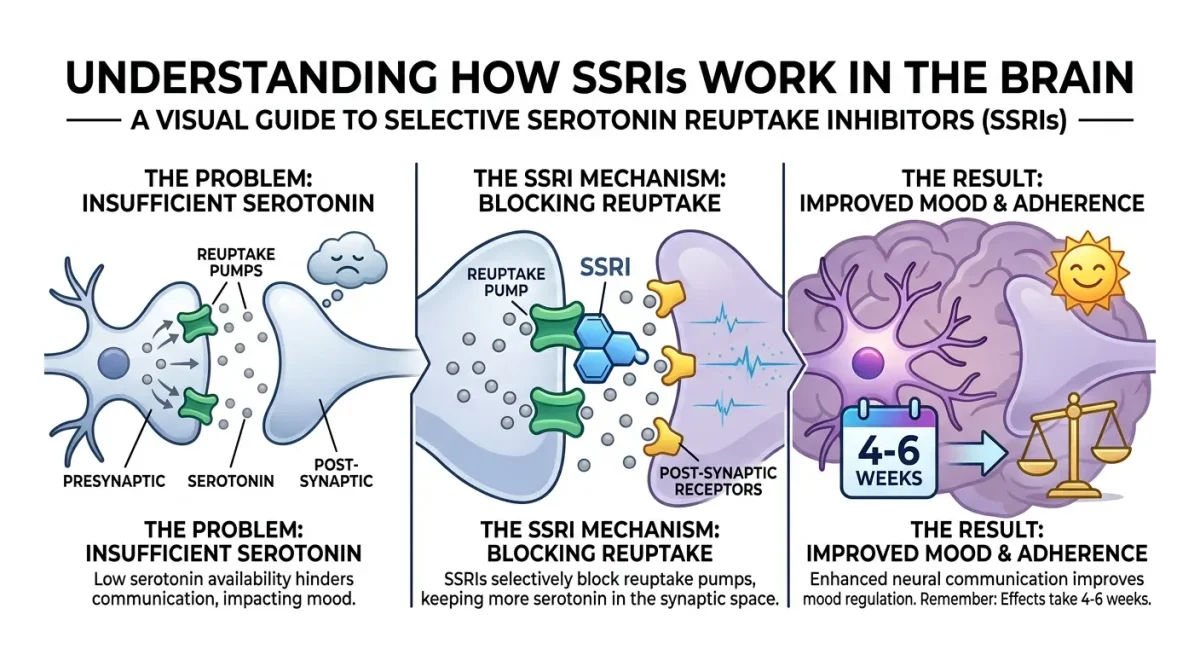
SSRIs work by blocking the reabsorption, or reuptake, of serotonin in the brain. This allows more serotonin to remain available in the synaptic space between neurons, enhancing communication and improving mood regulation. Unlike older antidepressants, SSRIs are selective—they target serotonin specifically rather than affecting multiple neurotransmitters, which often caused unpleasant side effects. This selectivity is a primary reason why SSRIs became the first-line pharmacological treatment for depression and anxiety disorders across the United States.
It is important to note that SSRIs are not instant fixes. Most patients require four to six weeks of consistent use before noticing significant improvements. This delay occurs because the medication must trigger downstream changes in brain cell receptors and neural pathways. Understanding this timeline helps set realistic expectations, which is critical for treatment adherence.
The Role of SSRIs in Comprehensive Mental Health Care
Modern mental health treatment rarely relies on medication alone. Instead, the most effective approaches combine pharmacotherapy with psychotherapy, lifestyle modifications, and social support. SSRIs serve as a stabilizing foundation that enables patients to engage more fully in therapy and make lasting behavioral changes.
For example, a person suffering from severe depression may find it nearly impossible to muster the energy for cognitive behavioral therapy (CBT) or even basic self-care routines. By alleviating the most debilitating symptoms, SSRIs can lift the fog of depression enough for the individual to participate actively in therapy sessions, practice coping skills, and rebuild healthy habits. This synergistic effect between medication and therapy is well-documented in clinical research and is a standard recommendation from the American Psychiatric Association.
Moreover, SSRIs have proven effective for a range of conditions beyond major depressive disorder. These include generalized anxiety disorder, panic disorder, social anxiety disorder, post-traumatic stress disorder, premenstrual dysphoric disorder, and bulimia nervosa. This versatility makes SSRIs an invaluable tool for primary care physicians and psychiatrists who treat a diverse patient population across the country.
How SSRI Helps in Mental Treatment: A Closer Look at the Evidence
When patients and clinicians ask the question of how ssri helps in mental treatment, the answer lies in decades of rigorous scientific research. Numerous large-scale studies have demonstrated that SSRIs are significantly more effective than placebo for moderate to severe depression. For instance, a landmark study published in The Lancet analyzed data from over 100,000 patients and confirmed that common SSRIs like fluoxetine (Prozac), sertraline (Zoloft), and citalopram (Celexa) are effective and well-tolerated.
Beyond statistical efficacy, SSRIs offer practical advantages. They have a relatively favorable side effect profile compared to older tricyclic antidepressants or monoamine oxidase inhibitors. Common side effects—such as nausea, insomnia, or sexual dysfunction—are often manageable and tend to diminish over time. Additionally, SSRIs have a low risk of lethal overdose, making them safer for patients who may experience suicidal thoughts, a critical consideration in the U.S. where suicide rates have risen alarmingly in recent years.
It is also worth noting that research into how ssri helps in mental treatment continues to uncover new mechanisms. Recent studies suggest that SSRIs may promote neuroplasticity—the brain’s ability to form new neural connections—which could explain why their benefits extend beyond symptom relief to long-term resilience.
Integrating SSRIs with Lifestyle and Nutritional Approaches
One of the most exciting developments in modern mental health care is the recognition that medication does not exist in a vacuum. American healthcare providers increasingly emphasize a whole-person approach that addresses diet, exercise, sleep, and stress management alongside pharmacological treatment.
Research indicates that ultra-processed foods—which make up a significant portion of the average American diet—can negatively impact serotonin production and gut health. Since approximately 90% of the body’s serotonin is produced in the gut, dietary choices directly influence mental health. Patients taking SSRIs may benefit from reducing processed foods and increasing intake of omega-3 fatty acids, complex carbohydrates, and fermented foods that support gut microbiome diversity.
Exercise is another powerful complement to SSRI therapy. Aerobic activity boosts endorphins and stimulates the release of brain-derived neurotrophic factor (BDNF), a protein that supports neuron growth and survival. When combined with SSRIs, regular exercise can enhance treatment outcomes and reduce the risk of relapse. Many mental health professionals in the U.S. now prescribe exercise as part of a comprehensive treatment plan, sometimes referred to as “behavioral activation.”
Sleep hygiene also plays a critical role. Chronic sleep deprivation disrupts serotonin regulation and can diminish the effectiveness of SSRIs. Patients are encouraged to maintain consistent sleep schedules, limit screen time before bed, and create a relaxing bedtime routine. Integrating these lifestyle factors creates a supportive environment where SSRIs can work optimally.
While SSRIs are generally well-tolerated, they are not without challenges. Common side effects include:
- Nausea and gastrointestinal upset, especially during the first two weeks
- Insomnia or drowsiness, depending on the specific medication
- Weight gain in some individuals over long-term use
- Sexual side effects, including reduced libido or delayed orgasm
- Dry mouth and headaches
These side effects can be concerning, but patients should know that they often resolve as the body adjusts. If side effects persist, a psychiatrist may adjust the dosage, switch to a different SSRI, or augment with another medication. The key is open communication between patient and provider. In the United States, the FDA has approved several SSRIs, and individual responses vary widely. What works for one person may not work for another, so patience and collaboration are essential.
It is also important to discuss the risk of discontinuation syndrome if SSRIs are stopped abruptly. Symptoms can include dizziness, flu-like sensations, and mood swings. Tapering off the medication under medical supervision minimizes these effects. This underscores the importance of working with a knowledgeable healthcare professional rather than self-managing treatment.
The Future of SSRIs in American Mental Health Care
As mental health awareness continues to grow in the United States, the demand for effective, accessible treatment will only increase. SSRIs are likely to remain a mainstay, but their role will become more refined. Advances in pharmacogenomics—the study of how genes affect a person’s response to drugs—are already helping clinicians choose the right SSRI and dosage based on an individual’s genetic profile. Companies like GeneSight offer testing that can predict how a patient might metabolize certain antidepressants, reducing the trial-and-error process.
Telehealth has also expanded access to psychiatric care, particularly in rural areas where mental health providers are scarce. Patients can now consult with psychiatrists online, receive prescriptions, and follow up remotely. This convenience has made it easier for Americans to initiate and maintain SSRI treatment.
Additionally, there is growing interest in combining SSRIs with novel therapies such as ketamine-assisted treatment, psychedelic therapy, and transcranial magnetic stimulation. While these approaches are still emerging, they represent a broader shift toward personalized, multimodal treatment. SSRIs will likely serve as a baseline therapy that can be augmented with these newer interventions for patients who do not respond fully to medication alone.
Conclusion
SSRIs have fundamentally changed the way mental health conditions are treated in the United States. By selectively targeting serotonin reuptake, these medications provide relief for millions of people suffering from depression, anxiety, and related disorders. However, their true power emerges when they are integrated into a comprehensive treatment plan that includes therapy, lifestyle changes, and nutritional support. Understanding how ssri helps in mental treatment goes beyond simple biochemistry—it involves recognizing the medication as a tool that enables broader healing. As research advances and personalized medicine becomes more accessible, SSRIs will continue to play a vital role in helping Americans achieve mental wellness. For anyone struggling with their mental health, the message is clear: effective help is available, and SSRIs remain a safe, proven, and evolving option worth discussing with a healthcare provider.