Many people have clear fitness goals with concise plans to achieve them. However, even with established routines, you must cultivate healthy habits to boost your athletic performance. It’s important to focus on practices that help you to develop your strength, agility, endurance, speed, and other necessary qualities.
Athletic performance is not determined by training alone. Your daily decisions, including what you eat, how much you sleep, and how well you recover, can directly affect the quality of your workouts. Small habits that are consistently repeated may eventually produce better results than occasional periods of intense effort.
It will be easier for you to achieve physical wellness and attain your body goals while reducing the risk of burnout. Healthy habits can also help you remain motivated, manage your energy more effectively, and continue making progress over the long term. Keep reading to discover five proven habits that you can adopt to enhance your athletic performance and advance in your fitness journey.
Following a Consistent Training Routine
People wrongly assume that the secret to becoming a better athlete is lots of strenuous, intense workouts. While such exercise sessions are beneficial, they can easily wear you out. Training too intensely without enough recovery may cause excessive fatigue, reduced motivation, muscle soreness, and an increased risk of injury.
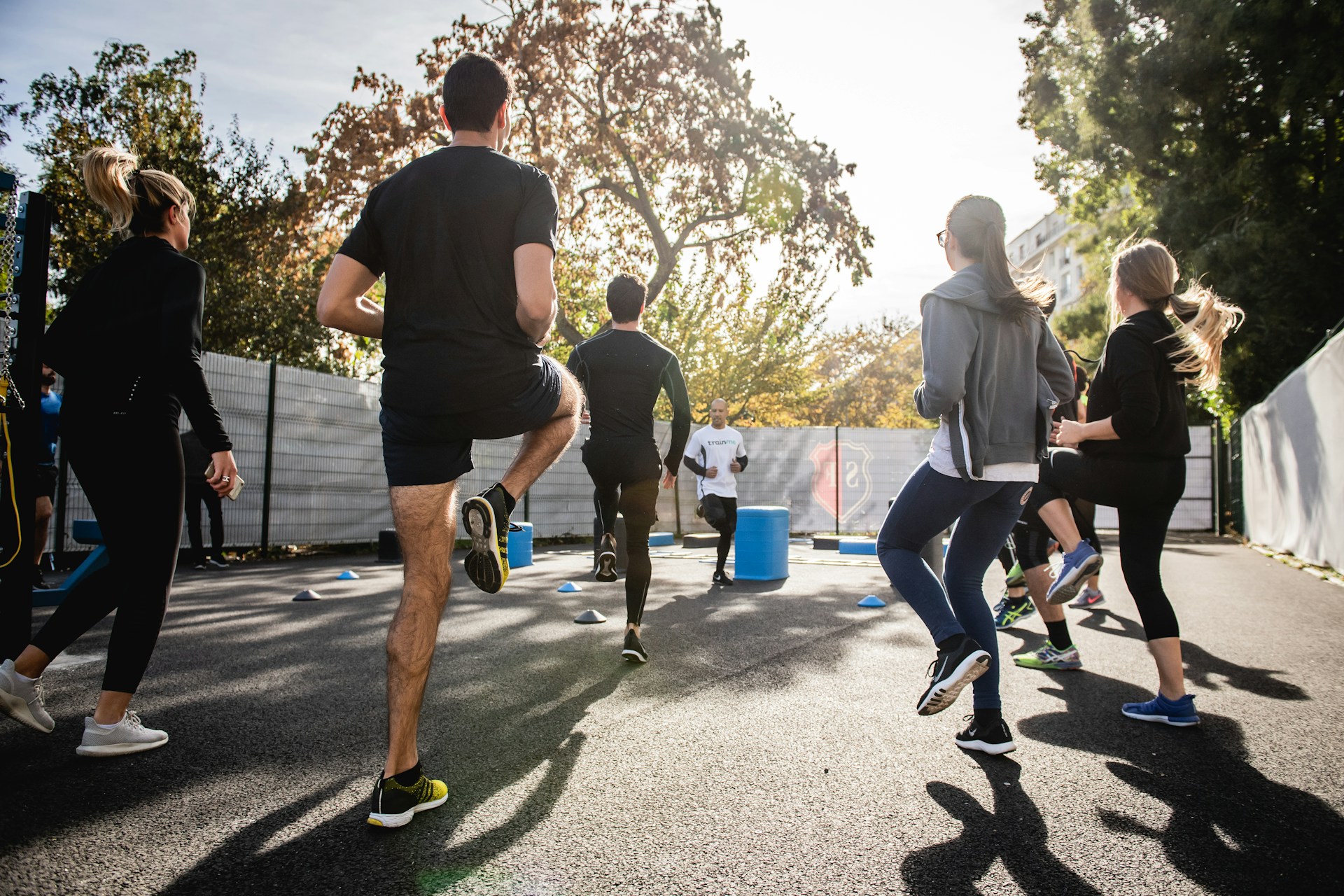
To build discipline for long-term success, it’s best to engage in regular physical activity. A consistent routine allows your muscles, cardiovascular system, and nervous system to gradually adapt to increasing physical demands. It also makes it easier to monitor your progress and identify which training methods are producing the best results.
If you fail to do this, you’ll have difficulty adapting to physical demands, and this can impair your overall performance. Irregular training can make each workout feel more difficult because the body does not receive enough repeated stimulation to develop strength, endurance, or movement efficiency.
However, consistency does not mean that every workout must be extremely challenging. Your routine may include intense training sessions, moderate workouts, mobility exercises, technical practice, and active recovery days. The goal is to create a balanced schedule that you can realistically maintain.
It may also help to follow a structured training plan that includes clear short-term and long-term goals. Tracking your repetitions, training loads, distances, or workout duration can show whether your performance is improving. Over time, these small and measurable improvements can lead to significant athletic development.
Eating Nutritious Foods
The body needs nutrients from all 6 classes of foods to be healthy, as each contributes to different functions. The following are some of the nutrients present in various food groups, and how they aid athleticism:
- Carbohydrates contain glucose, which supplies the body with energy.
- Proteins are rich in amino acids that support muscle development.
- Fruits and vegetables are sources of antioxidants, vitamins, and minerals, which boost the immune system.
- Fats and oils provide omega-3 and omega-6 fatty acids, which promote joint health.
As such, you must prioritize balanced diets to function effectively. A balanced meal can provide the energy needed for exercise while also supplying the nutrients required for recovery. Without proper nutrition, you may feel tired during training, recover more slowly, or struggle to maintain your performance.
Carbohydrates are especially important before demanding physical activity because they help replenish the glycogen stored in the muscles and liver. Protein is important after training because amino acids contribute to muscle and tissue repair. Healthy fats can support hormone production, brain function, and general health.
The timing and quantity of food may also affect how you feel during physical activity. Eating an extremely heavy meal immediately before training may cause discomfort, while exercising without enough fuel can result in weakness or poor concentration. Athletes should therefore develop an eating routine that suits their body, schedule, training intensity, and individual goals.
Nutritious foods do not need to make your diet unnecessarily complicated. Meals containing whole grains, lean protein sources, fruits, vegetables, and healthy fats can help support both performance and overall wellness. Consistency is once again essential, as one healthy meal cannot compensate for an otherwise unbalanced diet.
Staying Hydrated
People often sweat when performing physical tasks, cardiovascular, resistance, or aerobic exercises. Usually, this leads to fluid loss, which can lower blood pressure and reduce stamina. Fluid loss may also affect concentration, coordination, and the body’s ability to control its temperature.
As such, hydration is an essential part of healthy daily living. You should not wait until you feel extremely thirsty before drinking water, especially when training in warm or humid conditions. Thirst can be a useful signal, but it may not always reflect the full amount of fluid that has already been lost.
Frequent consumption of water and beverages helps replace lost fluids, regulate body temperature, and lubricate joints. It also increases blood circulation, balances electrolytes, and slows down fatigue, keeping you stronger for longer.
Hydration should begin before exercise and continue throughout the training session. Drinking water afterward can also help replace the fluids lost through sweat. People who participate in lengthy or highly demanding activities may need to pay additional attention to electrolytes such as sodium and potassium.
Your hydration needs may vary depending on your body size, activity level, environment, and the amount you sweat. The color of your urine can sometimes provide a simple indication of your hydration status. Very dark urine may suggest that you need more fluids, although other factors can also affect its appearance.
It’s also important to avoid relying heavily on drinks that contain excessive amounts of sugar or caffeine. Water is generally the most practical choice for ordinary workouts, while other beverages may be useful in specific circumstances.
Prioritizing Quality Sleep
You expend energy during training, practice, and physical activities, and your body needs to recover at night. With eight to 10 hours of sleep, you can rest adequately. Although individual sleep needs may differ, athletes generally benefit from maintaining a consistent sleep schedule.
When you sleep, the pituitary gland releases growth hormones that aid muscle and tissue repair. Sleep also supports the processes that help the body adapt to exercise. Without sufficient rest, your muscles may remain sore for longer, and your ability to perform intense physical activity may decrease.
Your nervous system also relaxes, enabling you to wake up feeling refreshed. With a rested mind and body, your reflexes will be much sharper, leading to improved coordination. Quality sleep can also support concentration, decision-making, mood, and reaction time, all of which are valuable in both individual and team sports.
In contrast, insufficient sleep can lead to slower reactions, reduced motivation, and poor training quality. It may also make challenging workouts feel more difficult than usual. When sleep deprivation continues over time, it can interfere with recovery and prevent you from reaching your full athletic potential.
To improve sleep quality, try to maintain regular sleeping and waking times. Limiting screen exposure, caffeine, and heavy meals close to bedtime may also help. Your bedroom should ideally be dark, quiet, and comfortable enough to encourage uninterrupted sleep.
Rest days and short recovery periods are useful, but they cannot completely replace consistent quality sleep. Treating sleep as part of your training program rather than as an optional activity can make a meaningful difference in performance.
Limiting Exposure to Toxic Substances
Drugs and alcohol are the most common forms of toxic substances. Excessive intake of either can damage vital organs such as the liver or lungs. These substances can also affect hydration, sleep quality, concentration, balance, and the body’s ability to recover after exercise.
Smoking may reduce lung function and make cardiovascular activities more difficult. Excessive alcohol consumption can interfere with muscle recovery, reduce the quality of sleep, and contribute to dehydration. These effects may prevent an athlete from training or competing at their best.
However, besides smoking and drinking, you can come in contact with harmful toxins through occupational exposure. For instance, demolition contractors can develop lung cancer after inhaling asbestos.
People who work in construction, renovation, manufacturing, or similar environments should take occupational safety seriously. Wearing suitable protective equipment, following workplace safety procedures, and avoiding direct contact with hazardous materials may reduce exposure risks.
This respiratory disease reduces oxygen intake, leading to shortness of breath and fatigue. Since oxygen is necessary for both endurance and recovery, conditions that reduce lung function can significantly limit athletic performance and everyday physical activity.
Chronic illnesses like this leave victims weak and in need of support from organizations like https://www.lungcancergroup.com/legal/lung-cancer-lawyer/. Individuals who believe they have been exposed to dangerous substances should seek appropriate medical and professional guidance.
Since optimal performance depends on overall health, it’s best to protect your body at all times. Avoiding harmful substances and reducing occupational exposure can support your long-term physical capacity, general wellness, and quality of life.
Endnote
For better athletic performance, you must adopt and consistently practice several healthy habits. These include training consistently, sleeping sufficiently, eating balanced meals, avoiding harmful habits, and staying hydrated.
None of these practices should be considered a temporary solution. Their value comes from applying them repeatedly and making them part of your normal lifestyle. You may not notice dramatic changes immediately, but the combined effects can gradually improve your strength, stamina, recovery, focus, and overall physical condition.
With these, you can improve your overall health and functional capacity. When your training routine is supported by proper nutrition, hydration, sleep, and healthy lifestyle choices, you will be better prepared to perform effectively and continue progressing toward your fitness goals.