
Overview
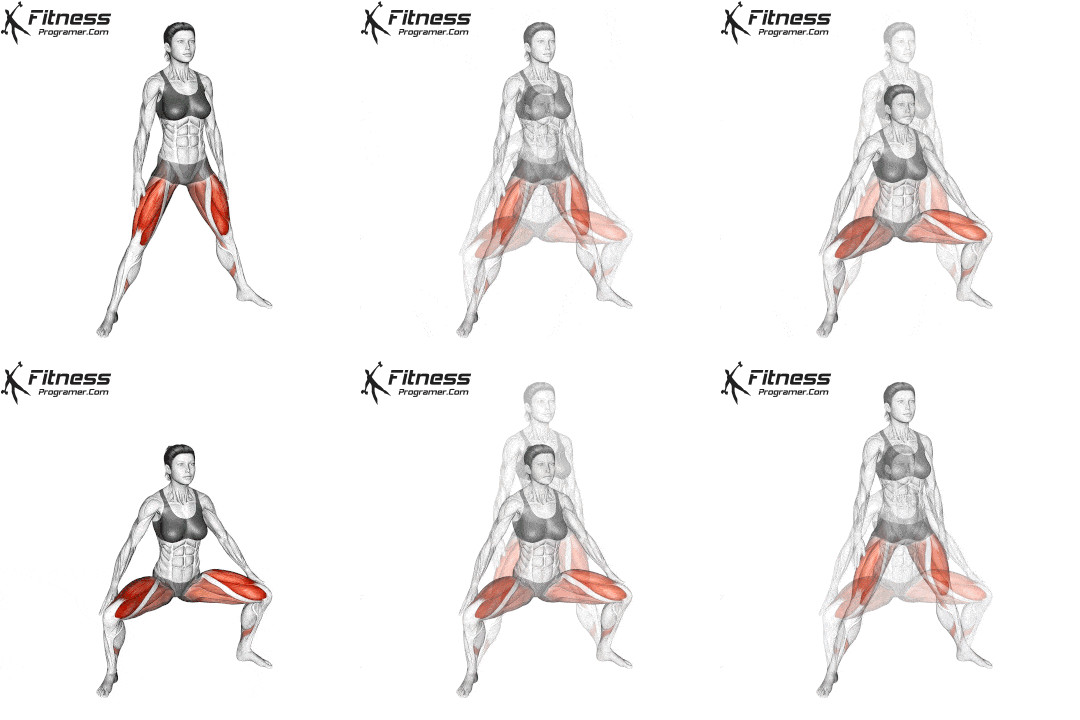
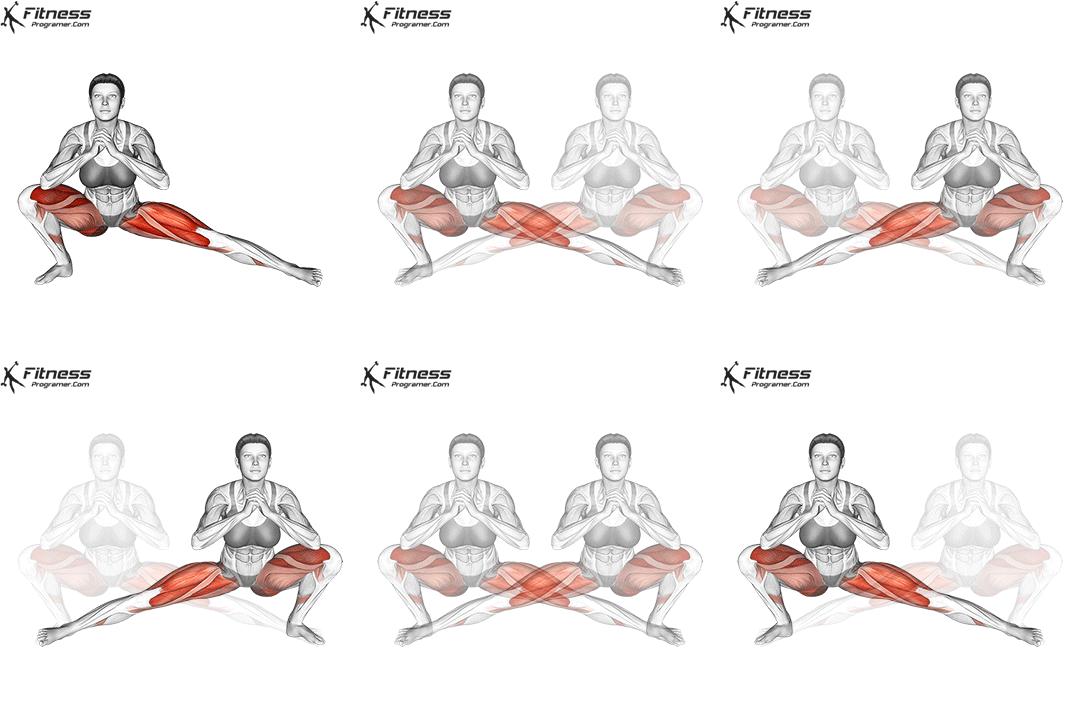
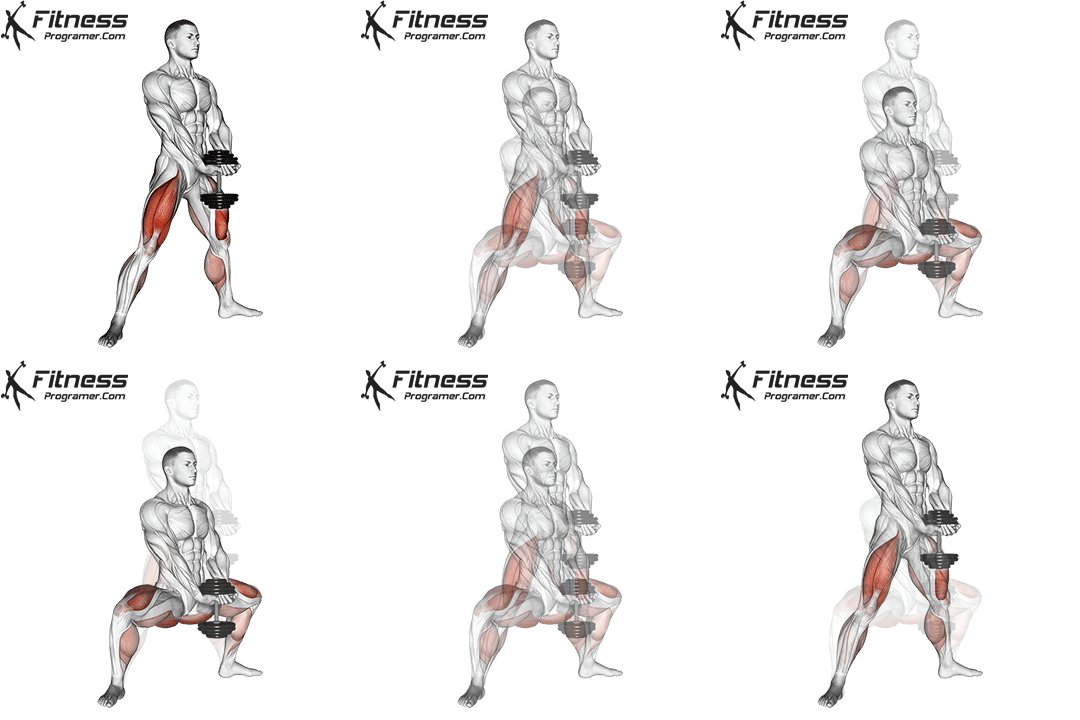
A bodyweight sumo squat is a lower-body exercise performed with your feet positioned wider than shoulder-width and toes pointed slightly outward. It targets the inner thighs, glutes, and quads. Its emphasis on hip mobility and adductor strength makes it a valuable addition to any lower-body routine. With no equipment needed, it suits both beginners and experienced athletes alike.
How to Perform Bodyweight Sumo Squat
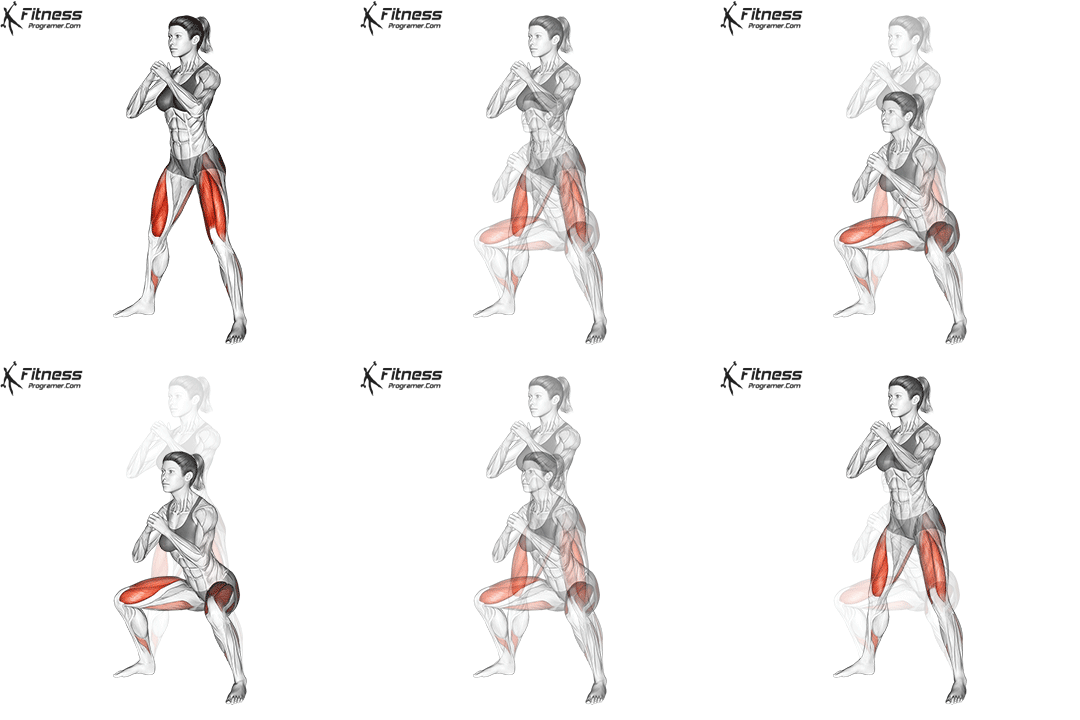
Stand with feet wider than shoulder-width apart and toes turned slightly outward.
Brace your core and keep your chest lifted throughout the movement.
Lower your body by bending at the knees and hips, sinking your hips straight down.
Descend until your thighs are parallel to the floor or as low as mobility allows.
Drive through your heels to return to the starting position, squeezing your glutes at the top.
Tips for Proper Form
Keep your torso upright to avoid leaning forward.
Push your knees outward in line with your toes during the descent.
Engage your core to maintain balance and protect your lower back.
Lower with control and pause briefly at the bottom for more muscle activation.
Maintain even pressure across your feet to prevent tipping forward.
Common Mistakes
Letting the knees cave inward, which reduces effectiveness and increases injury risk.
Standing too narrow, which shifts the emphasis away from the target muscles.
Rounding the back by leaning too far forward.
Rising onto the toes, which decreases glute and hamstring activation.
Going too fast, sacrificing control and range of motion.
Benefits of the Bodyweight Sumo Squat
Targets inner thighs and glutes: The wide stance emphasizes adductors and glutes more than a standard squat.
Improves hip and groin mobility: The deep squat position helps increase flexibility and joint range of motion.
Strengthens lower body muscles: Quads, glutes, and hamstrings all work together for a complete lower body movement.
Enhances body control and balance: Core and stabilizing muscles are activated to maintain posture throughout the exercise.
No equipment needed: This exercise can be done anywhere, making it ideal for home or travel workouts.
Great for warm-ups or active recovery: Can be used to prep the hips for heavier movements or keep joints mobile.
Versatile for all goals: Suitable for mobility, strength, fitness, or high-rep conditioning workouts.
How to Incorporate Into Your Routine
- For Beginners: Perform 2 to 3 sets of 10 to 12 reps focusing on depth and balance.
- For Hypertrophy: Do 3 to 4 sets of 20 to 25 reps, adding a pause at the bottom for intensity.
- For Strength: Do 2-3 sets of 10-12 repetitions with the dumbbell or kettlebell variation.
- For Functional Training: Use during mobility circuits to improve hip control and flexibility.
- For Circuit Training: Include 15 to 20 reps in a full-body or lower body circuit.
- For General Fitness: Combine with planks, or push-up for a complete no-equipment workout.
- For Mobility and Recovery: Perform slow, deep squats with bodyweight only to open the hips and groin.
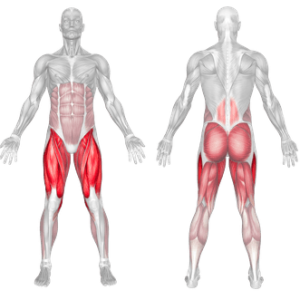
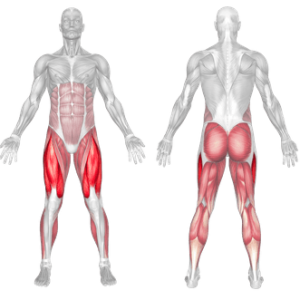
Bodyweight Sumo Squat Muscles Worked
Frequently Asked Questions
Is the sumo squat better than a regular squat?
It depends on your goal. Sumo squats target the inner thighs more, while regular squats focus more on the quads and glutes.
Can beginners do bodyweight sumo squats?
Yes. It’s a great exercise to improve lower body mobility and develop strength safely.
Should I stretch before doing sumo squats?
A short dynamic warm-up helps loosen the hips and improve your range of motion during the exercise.
Can I progress this movement?
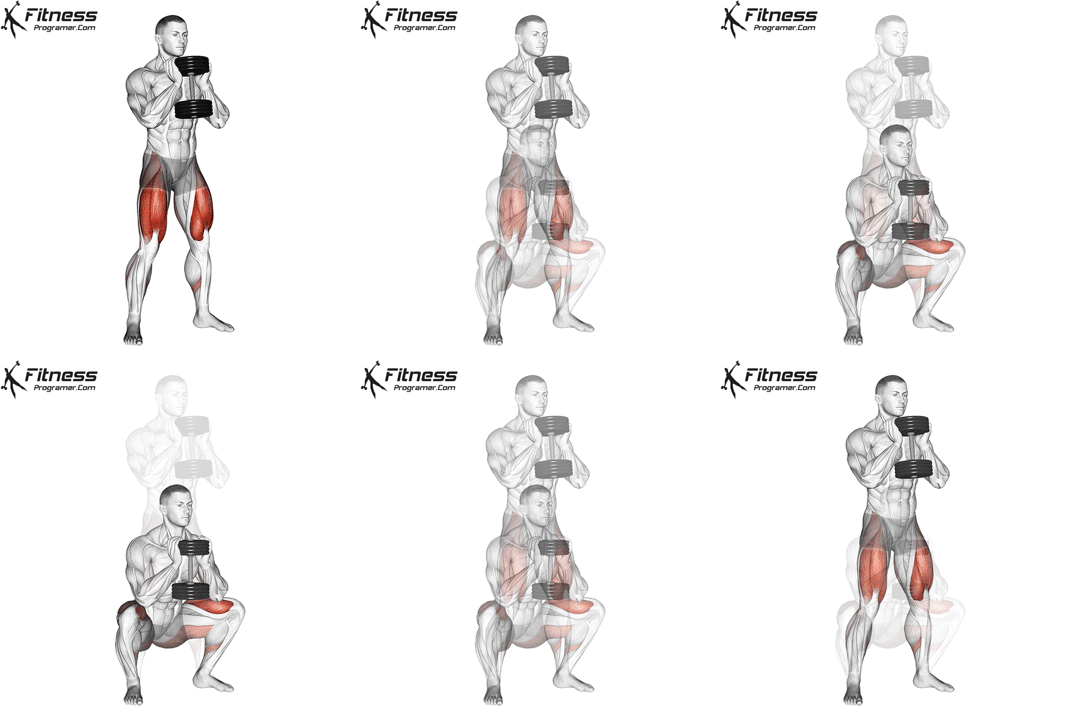
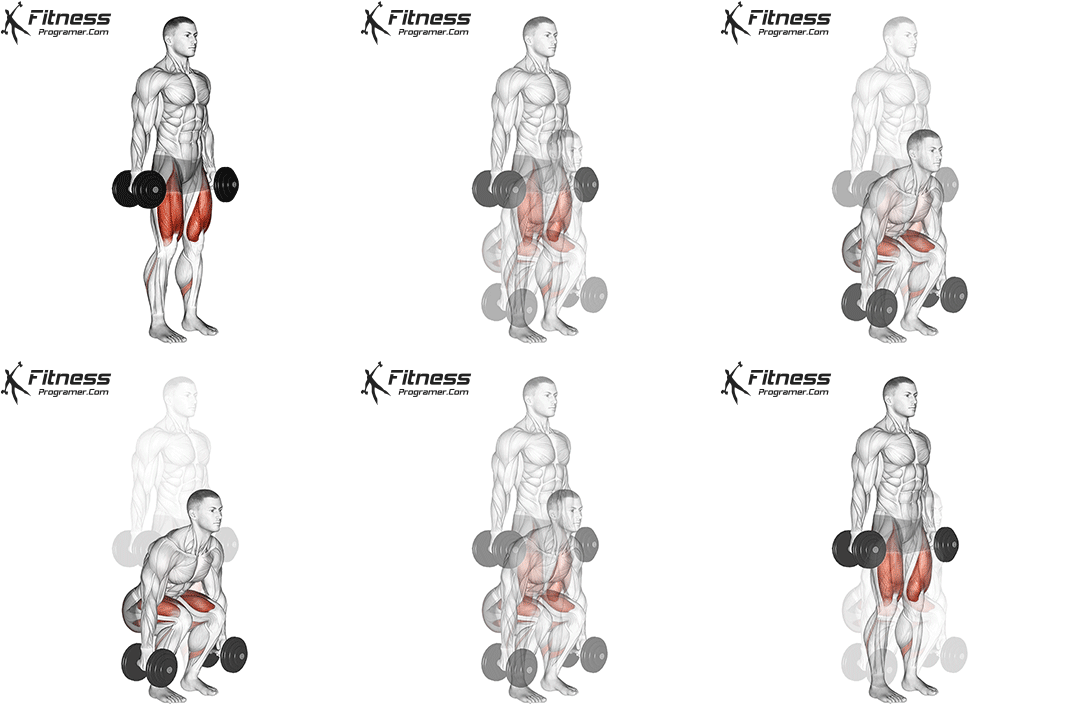
Yes. Hold a dumbbell in goblet position or increase reps and sets for progression.
Bodyweight Sumo Squat Variations
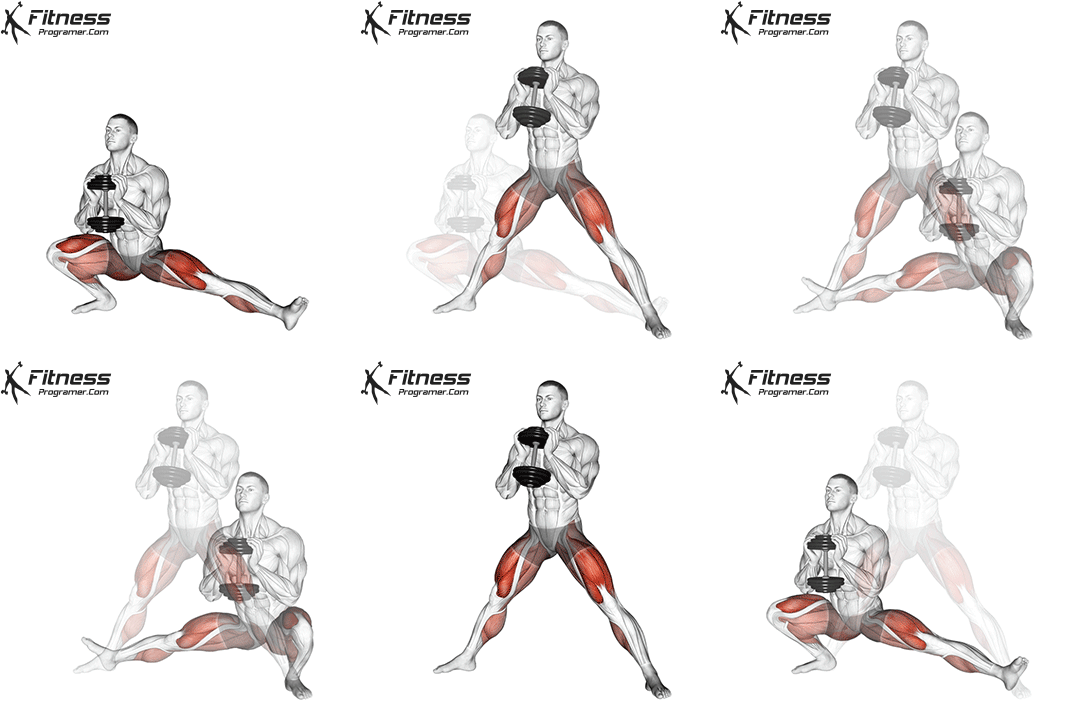
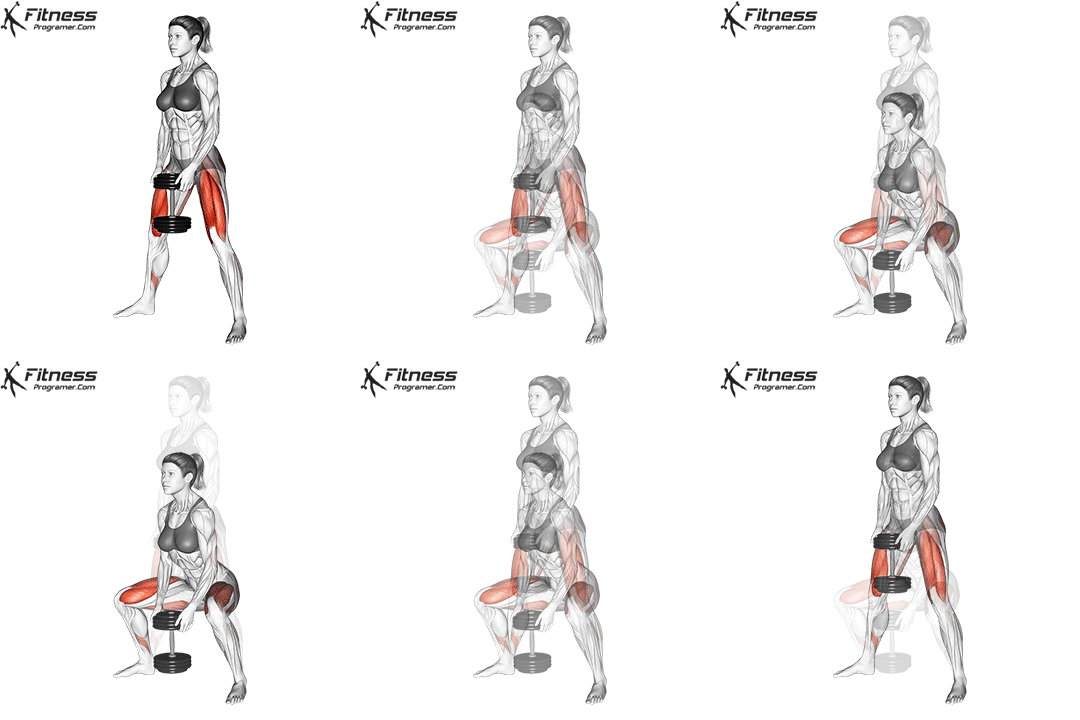
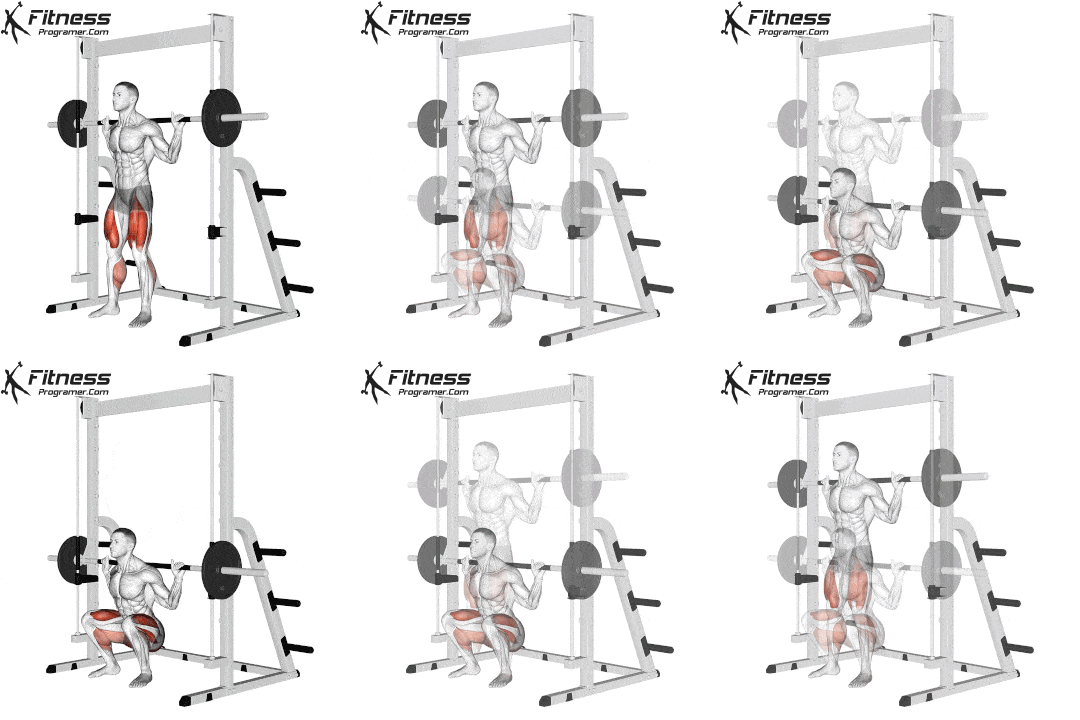
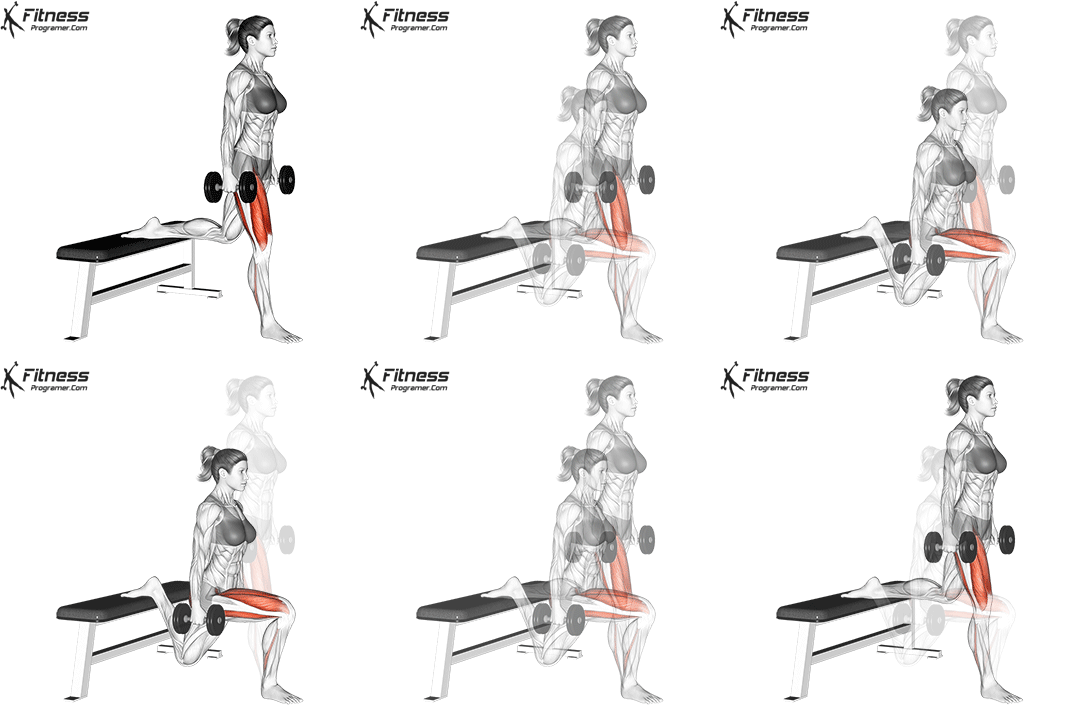
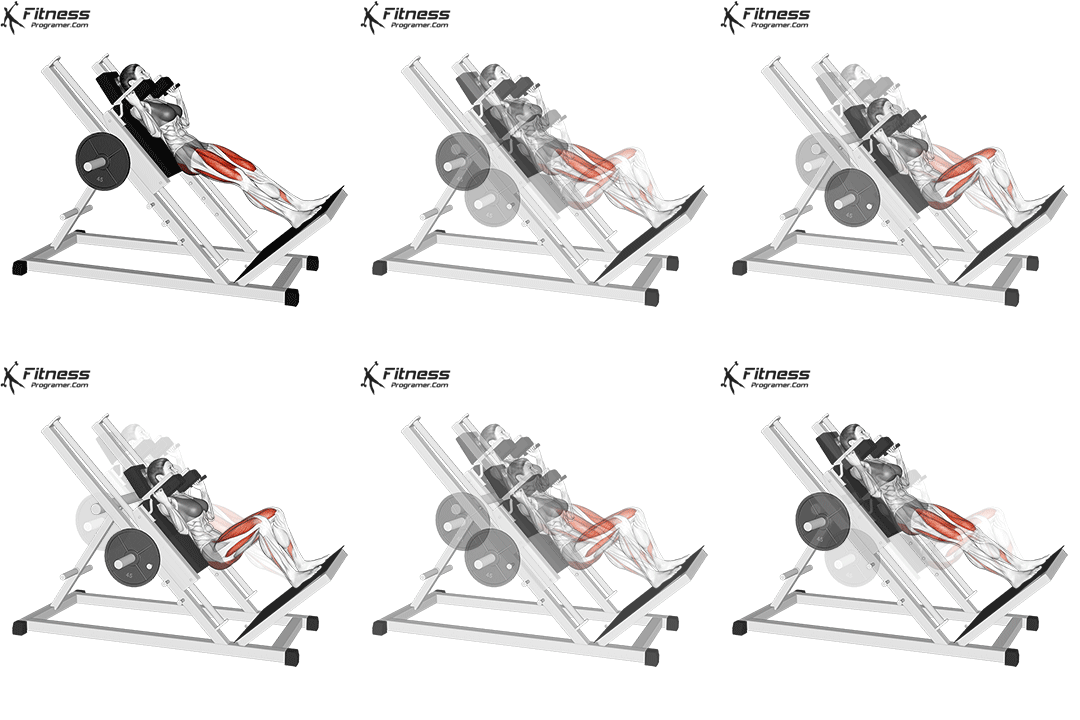
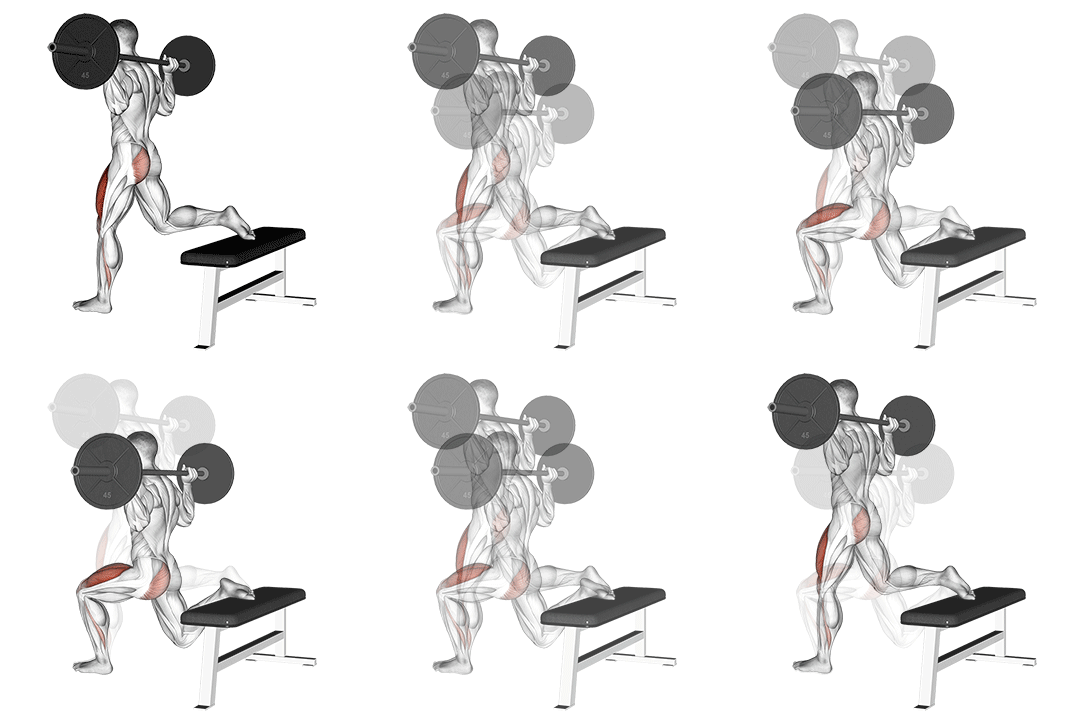
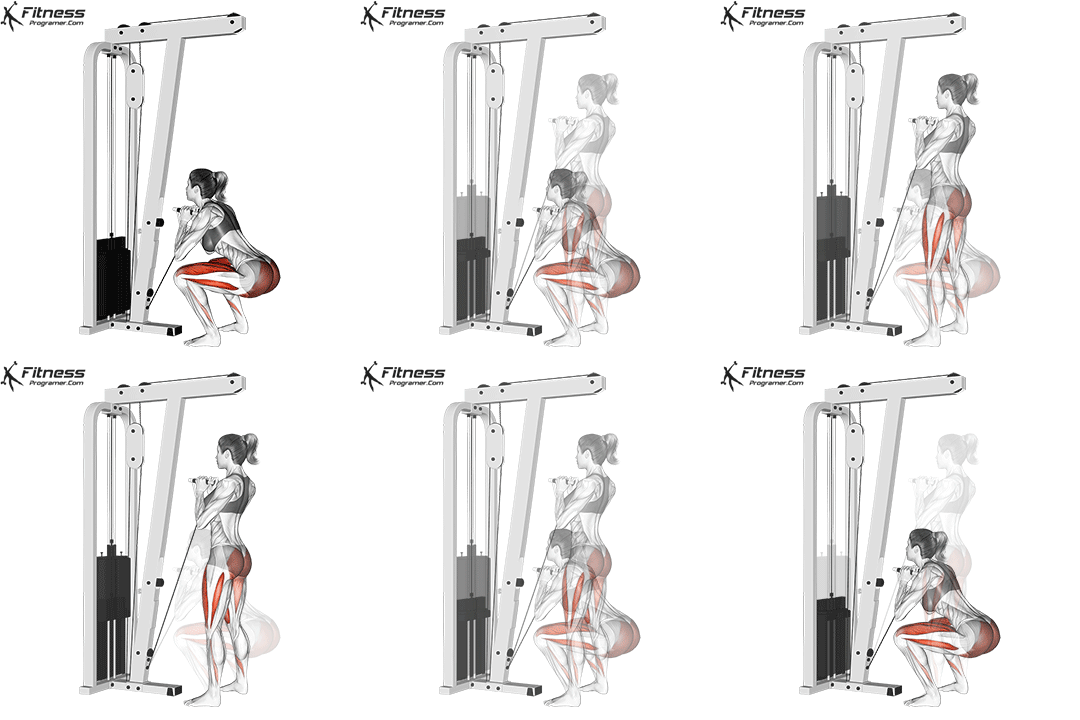
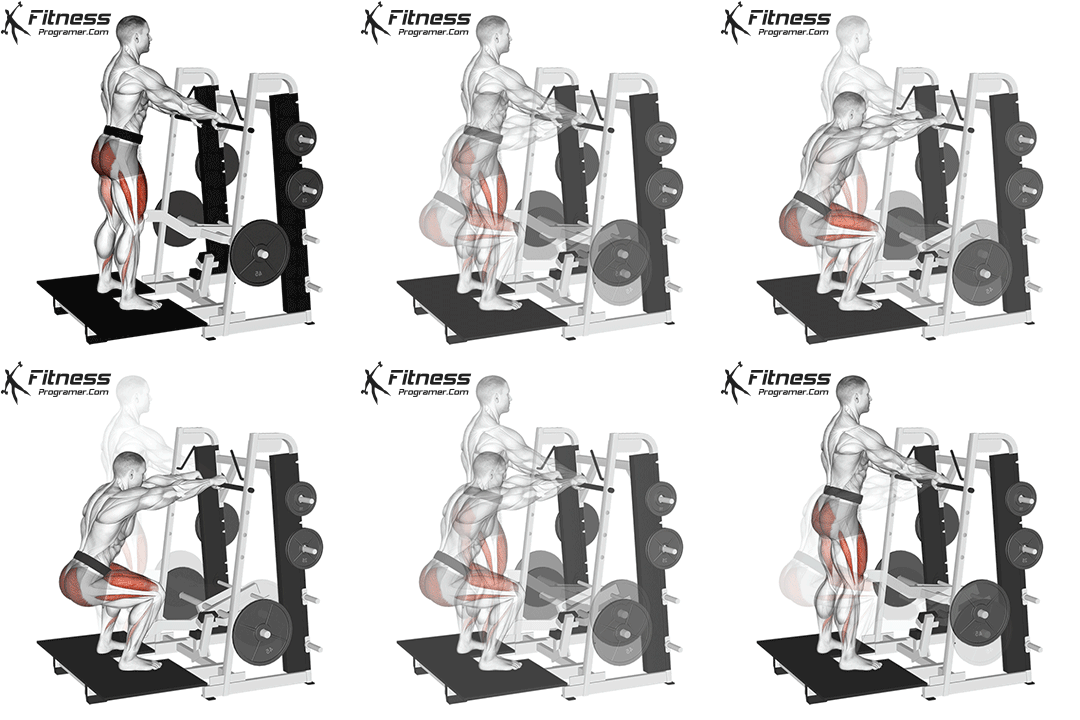
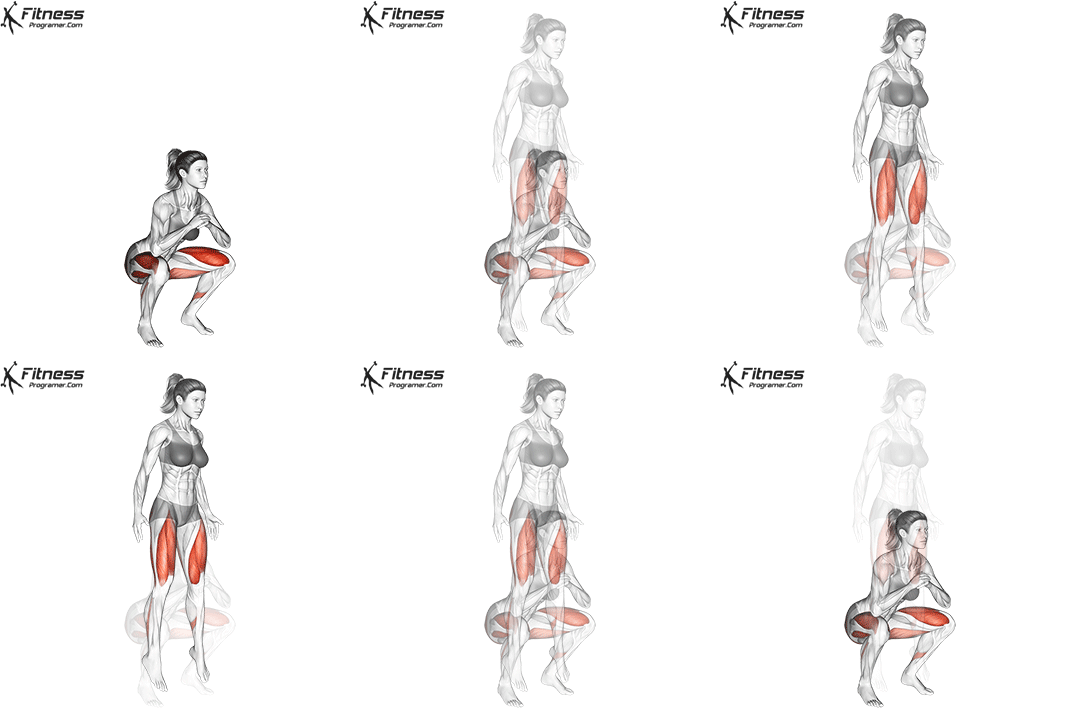
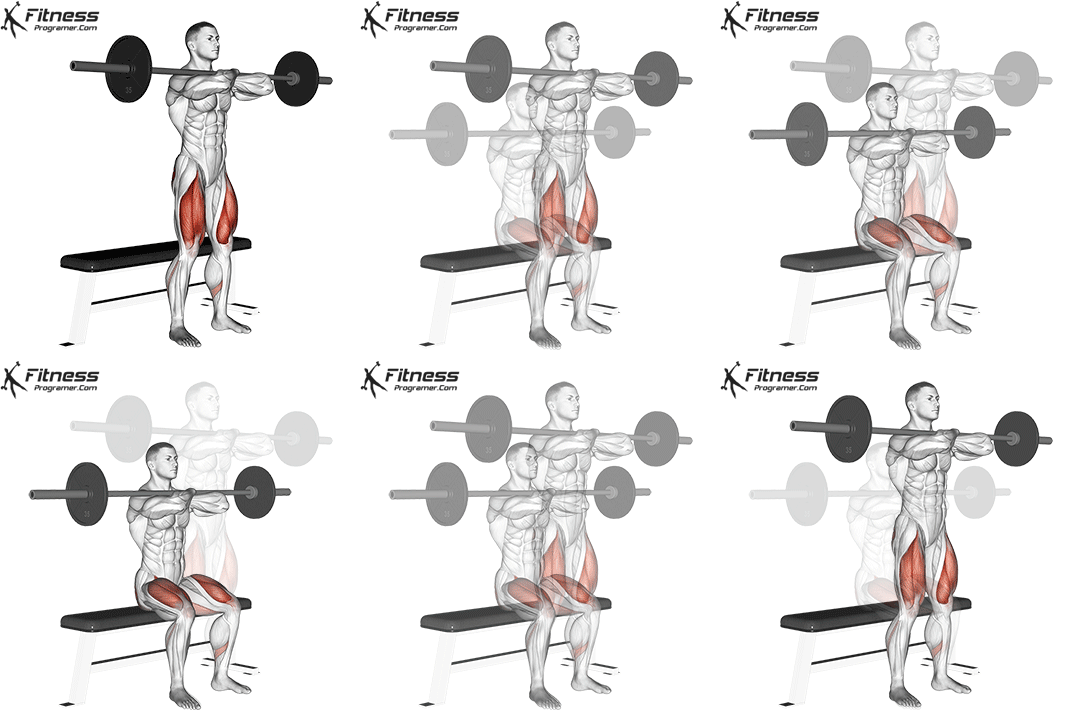
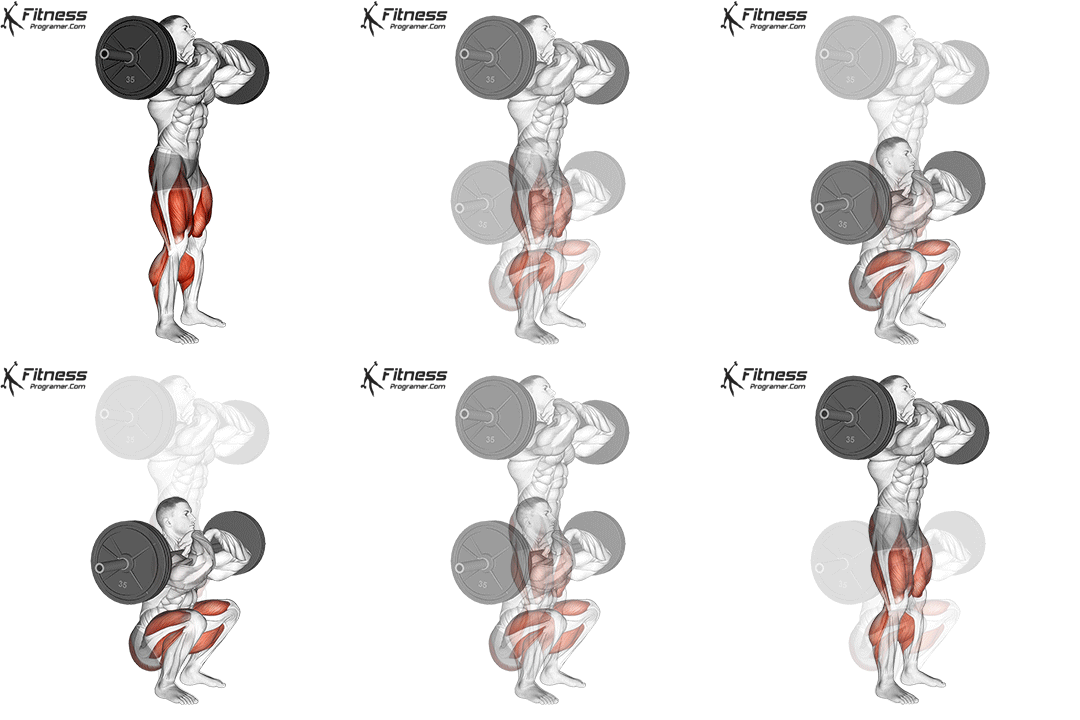
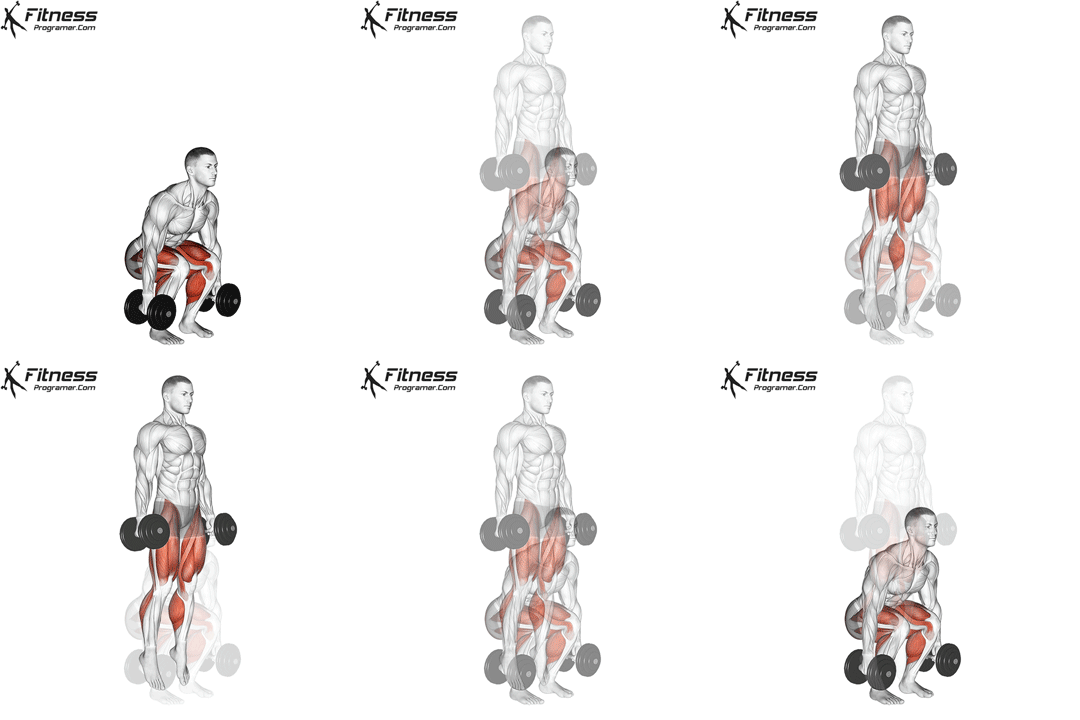
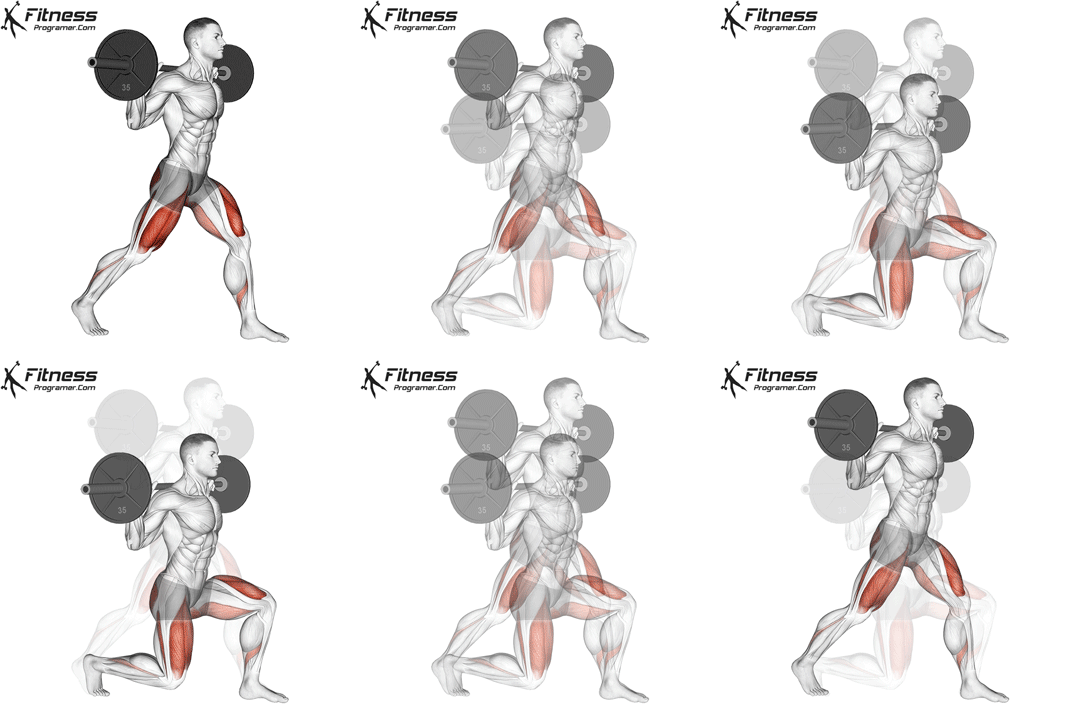
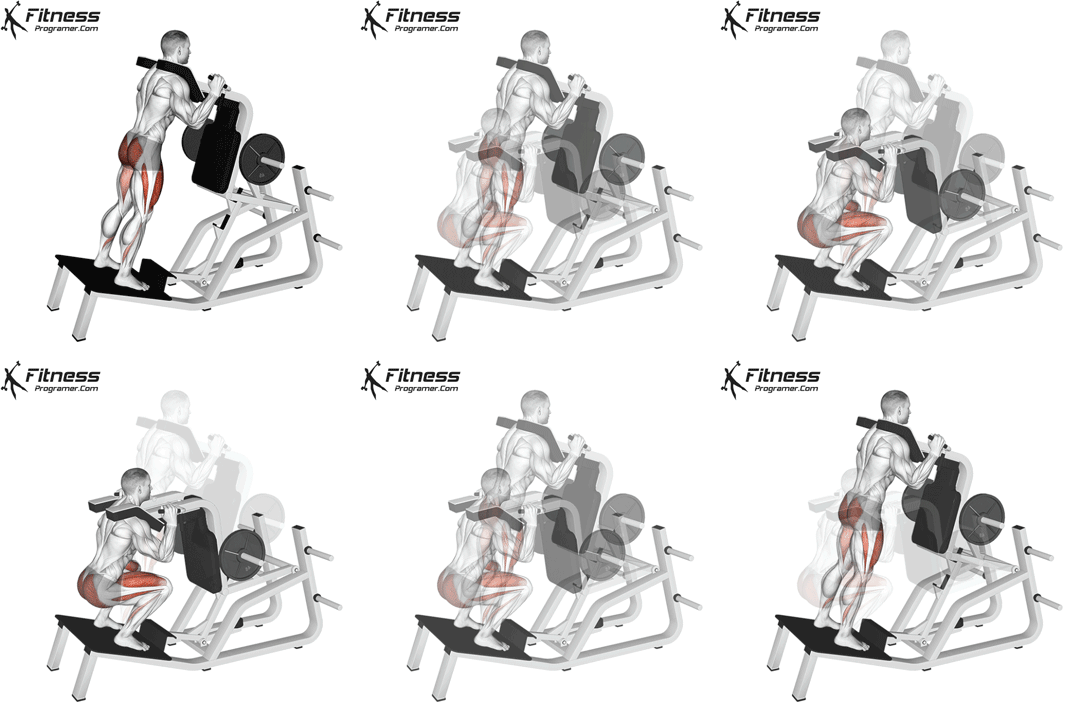
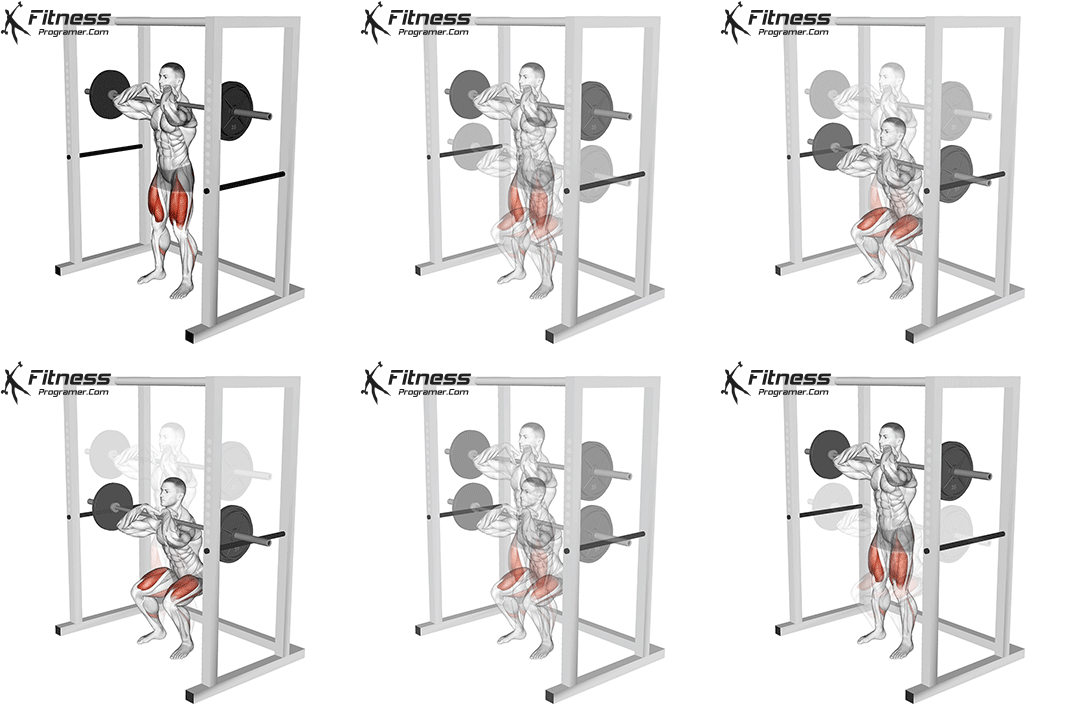
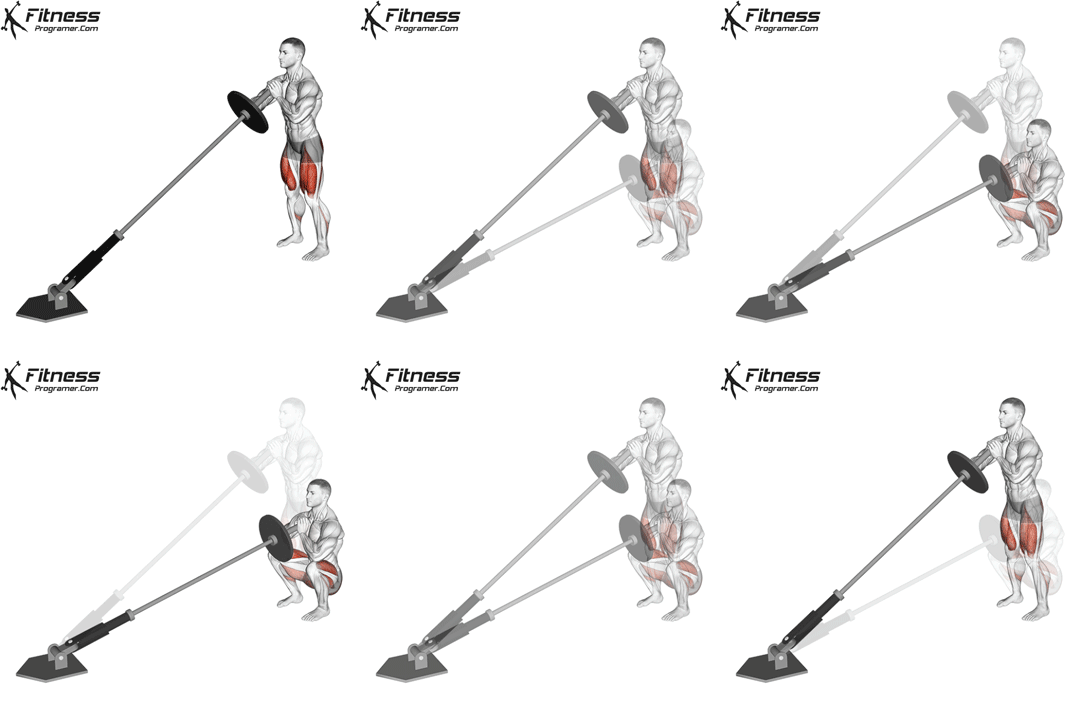
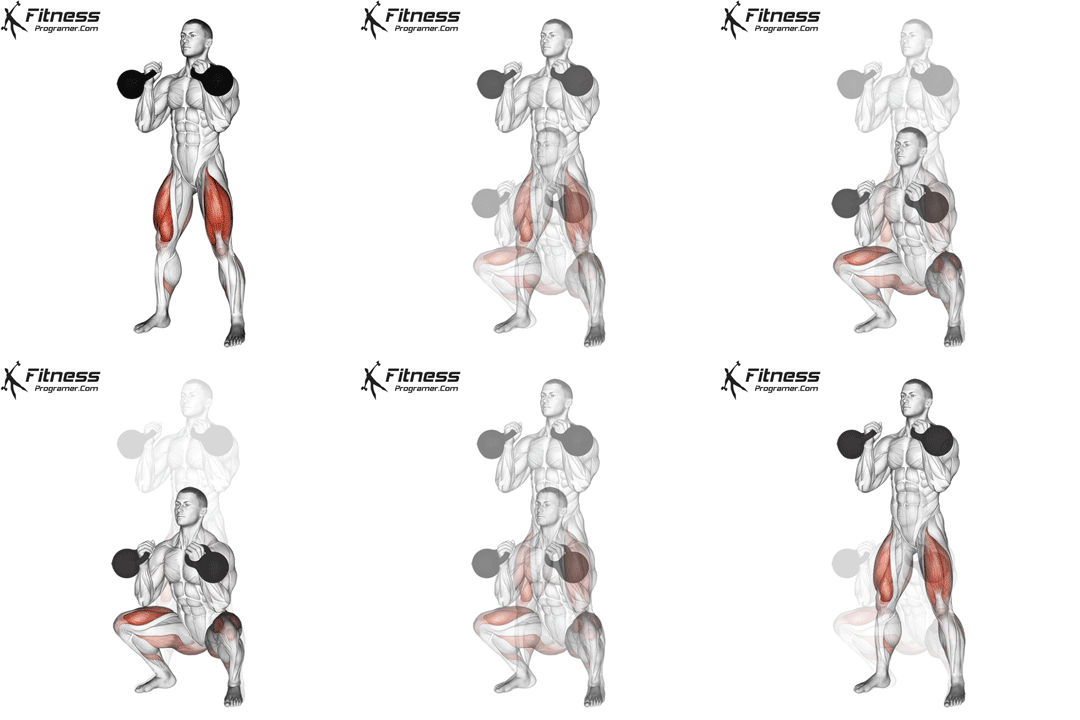
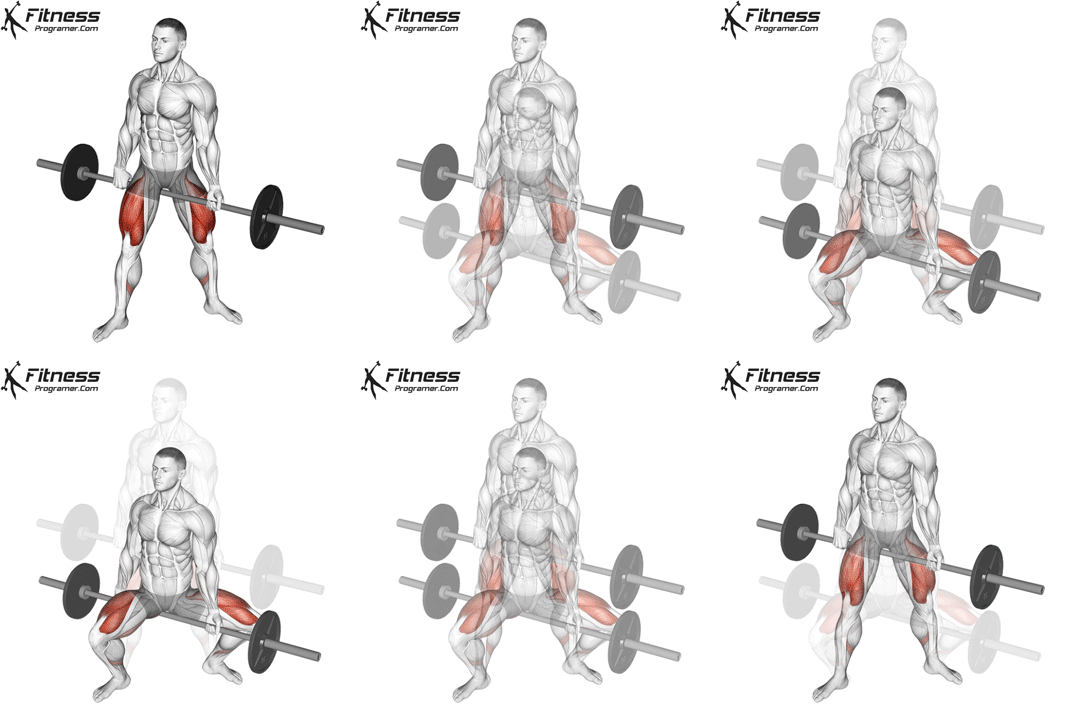
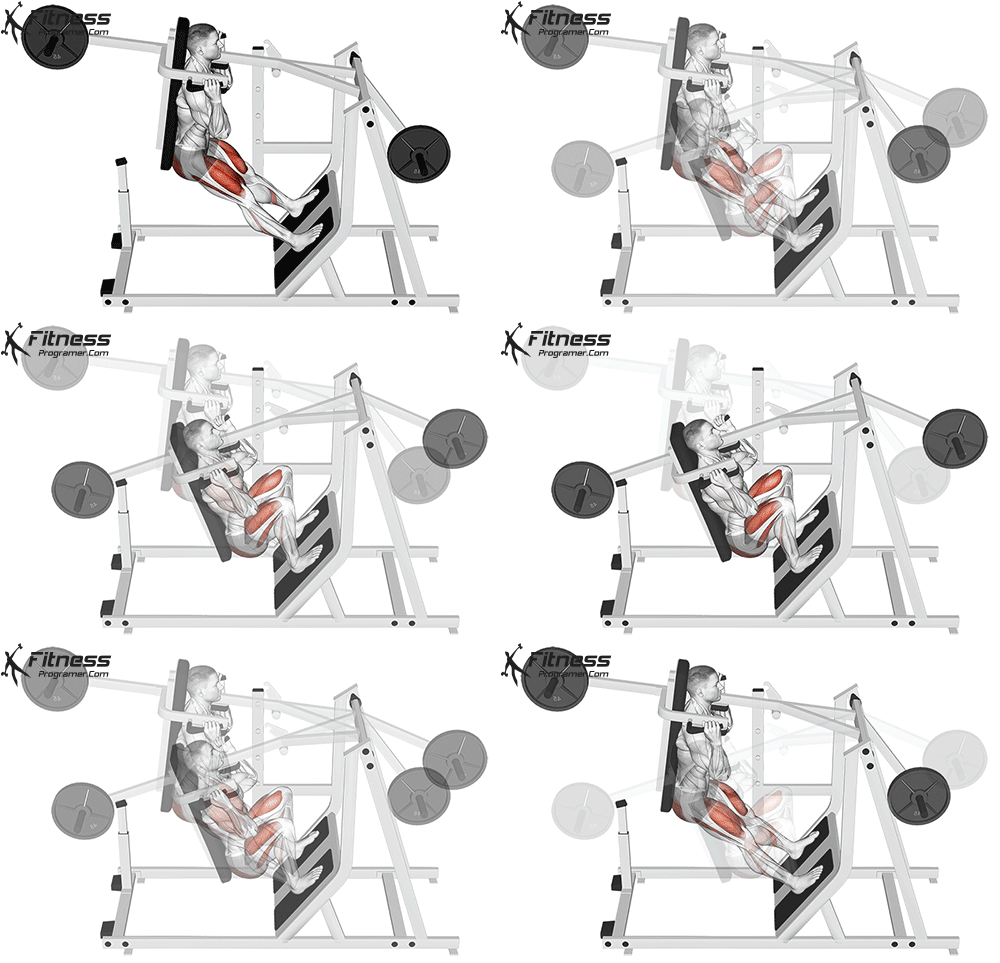
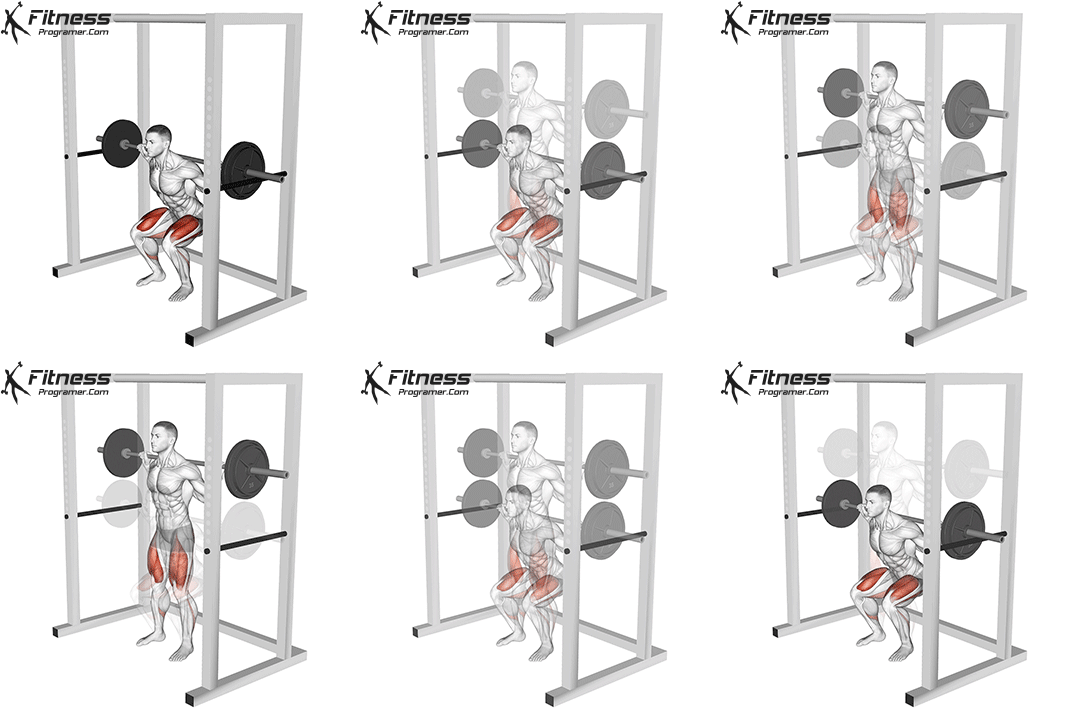
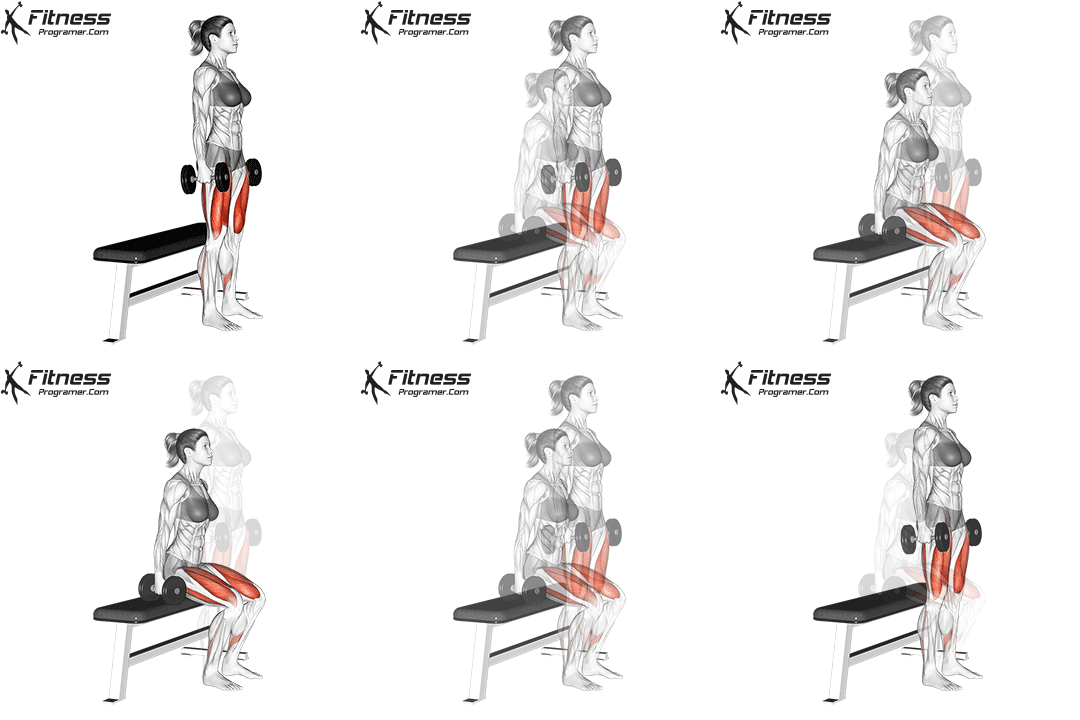
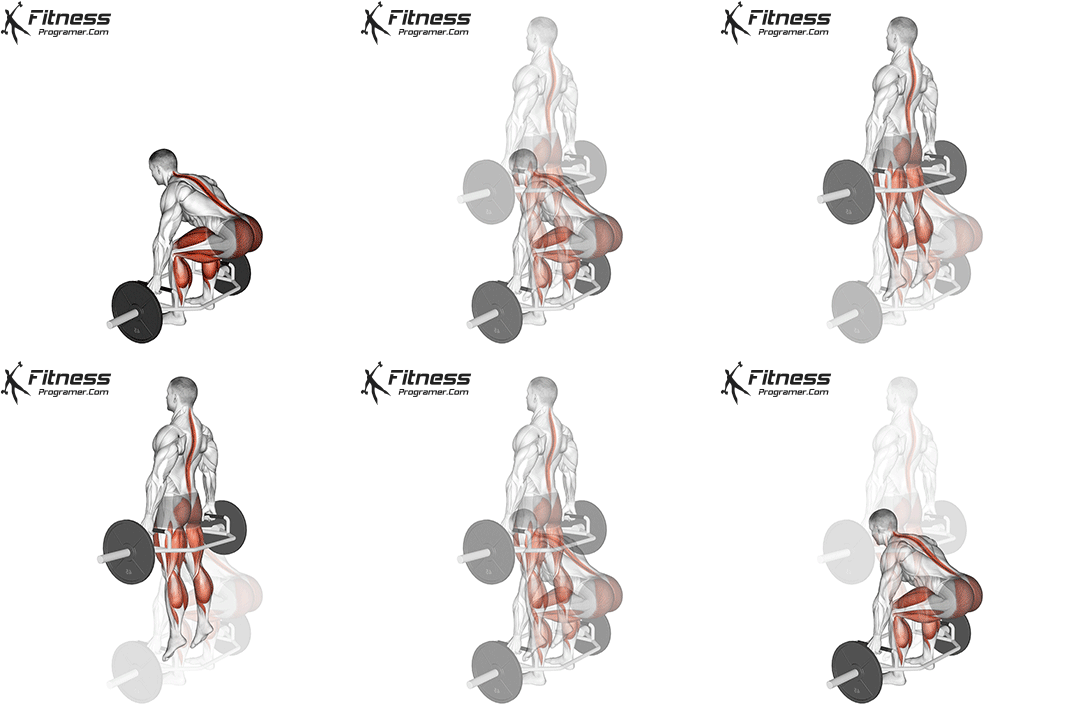
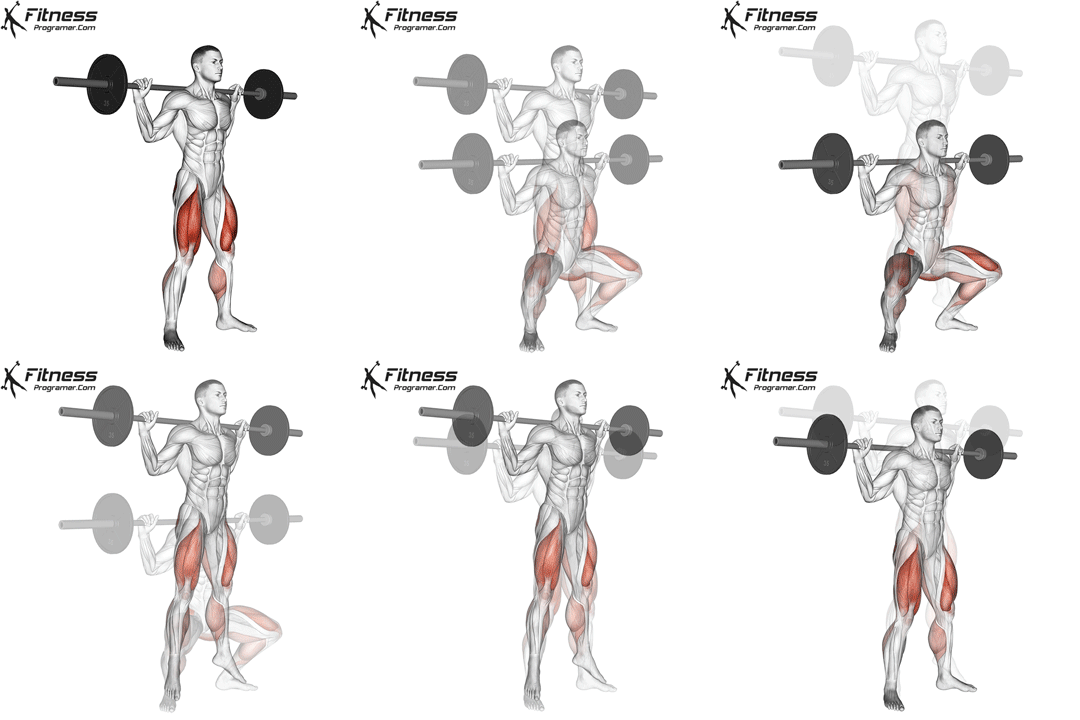
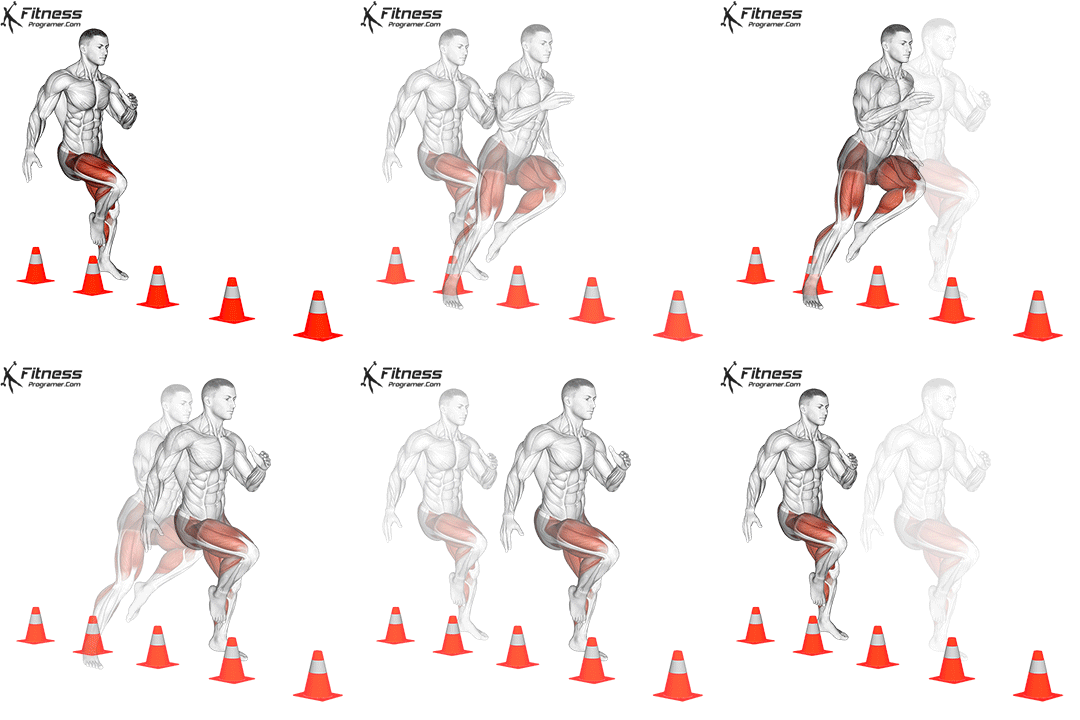
How to: Zig Zag Hops Plyometric
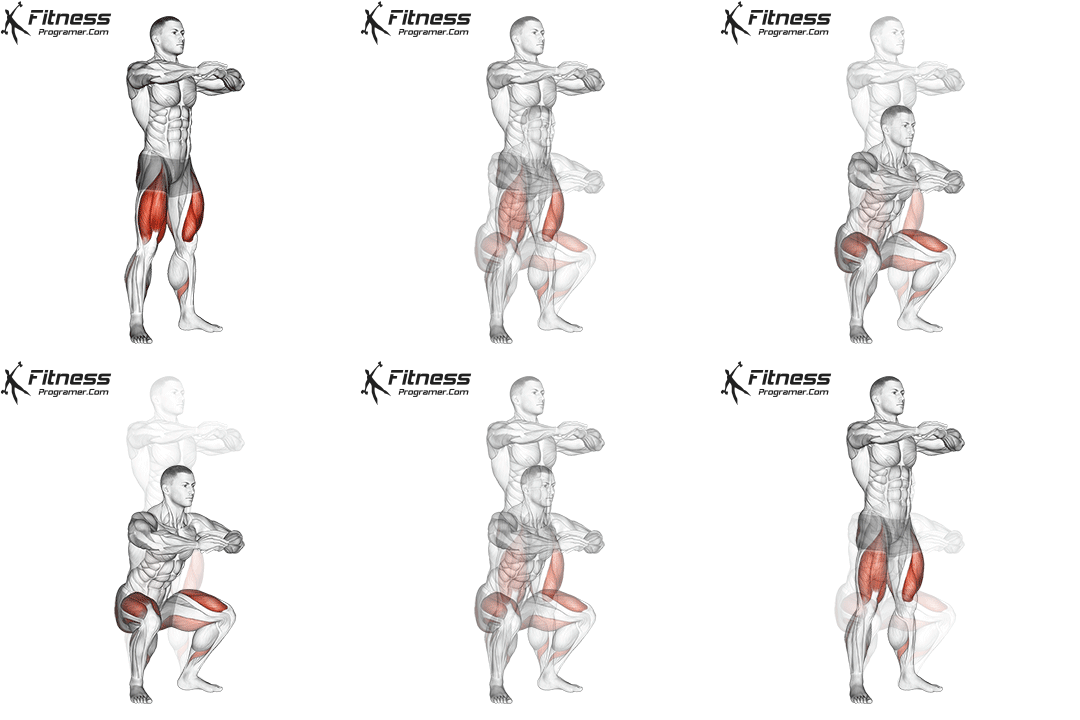
Overview
The bodyweight squat is a fundamental lower-body exercise that helps improve strength, balance, and mobility. It trains the entire lower body, particularly the quadriceps, glutes, and hamstrings, while also activating the core for stability. Requiring no equipment, it can be performed anywhere, making it ideal for all fitness programs.
How to do perform Bodyweight Squat
Stand with feet shoulder-width apart and toes slightly pointed outward.
Brace your core and keep your chest lifted as you begin the movement.
Push your hips back and bend your knees to lower into a squat.
Descend until your thighs are parallel to the ground or as low as comfortable.
Drive through your heels to stand back up, squeezing your glutes at the top.
Tips for Proper Form
Keep your heels flat on the ground throughout the movement.
Maintain a neutral spine by avoiding excessive leaning or rounding.
Engage your core to protect your lower back.
Push your knees outward so they track in line with your toes.
Lower with control to ensure proper muscle engagement and balance.
Common Mistakes
Letting the knees cave inward, which stresses the joints.
Rising onto the toes, reducing stability and muscle engagement.
Leaning forward excessively, which can strain the lower back.
Not squatting deep enough, limiting the benefits of the exercise.
Using momentum instead of control, which reduces effectiveness.
Benefits of the Bodyweight Squat
Builds foundational strength: Trains the glutes, quads, and hamstrings to support daily movement.
Improves joint mobility: Enhances range of motion in the hips, knees, and ankles.
Enhances balance and coordination: Strengthens stabilizing muscles and body control.
No equipment needed: Can be performed anywhere, making it highly accessible.
Supports functional fitness: Improves your ability to sit, stand, and move with ease.
Safe for beginners and recovery: Low-impact option to build strength and movement confidence.
Versatile for all goals: Easily included in warm-ups, circuits, or bodyweight-only programs.
How to Incorporate Into Your Routine
- For Beginners: Perform 2 to 3 sets of 10 to 12 reps to learn proper mechanics.
- For Hypertrophy: Do 3 to 4 sets of 20 to 25 reps or add tempo for increased muscle tension.
- For Strength: Increase the difficulty with dumbbell variations.
- For Functional Training: Use in warm-ups or combine with mobility drills.
- For Circuit Training: Include 15 to 20 reps per round with minimal rest.
- For General Fitness: Add to home or gym routines for a foundational leg exercise.
- For Mobility and Recovery: Use deep slow squats to open hips and strengthen joints.
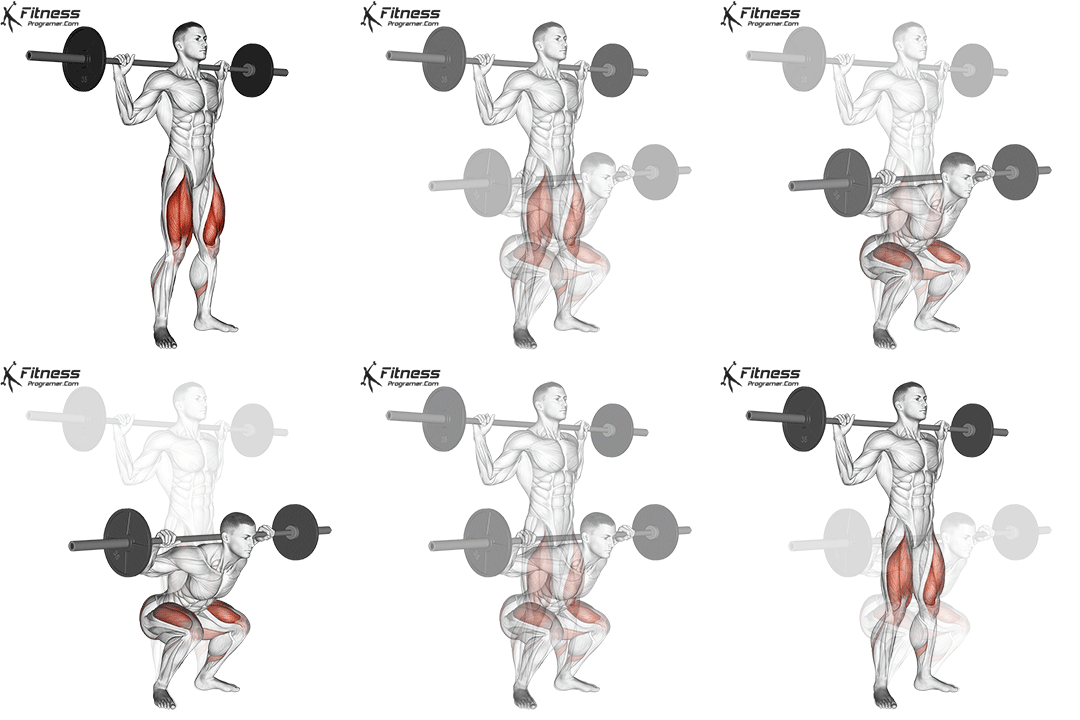
Bodyweight Squat Muscles Worked
The bodyweight squat is a compound exercise that primarily targets the muscles of the lower body, including:
Frequently Asked Questions
Can beginners do bodyweight squats?
Yes. It is one of the safest and most effective exercises for building a strong foundation.
How low should I squat?
Go as low as your mobility allows while keeping heels down and spine neutral.
How often should I do bodyweight squats?
You can include them 2 to 4 times per week depending on your goals and recovery.
Can I make bodyweight squats harder?
Yes. Try adding tempo, pause at the bottom, or progress to single-leg variations.
Bodyweight Squat Variations
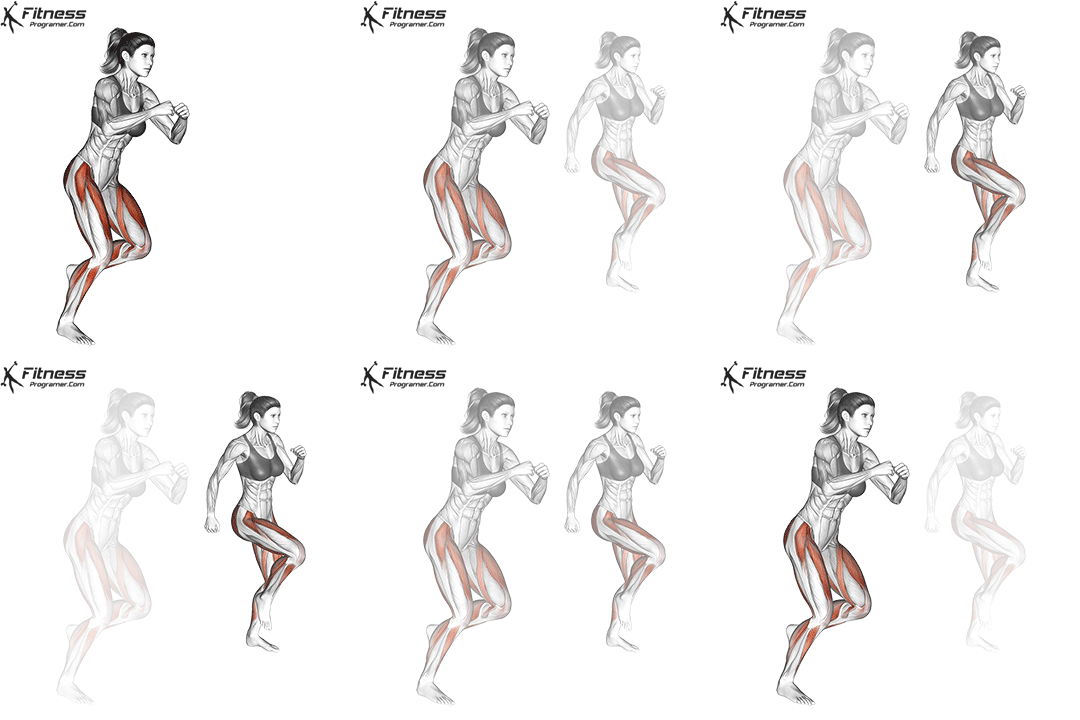
How to Lateral Speed Step
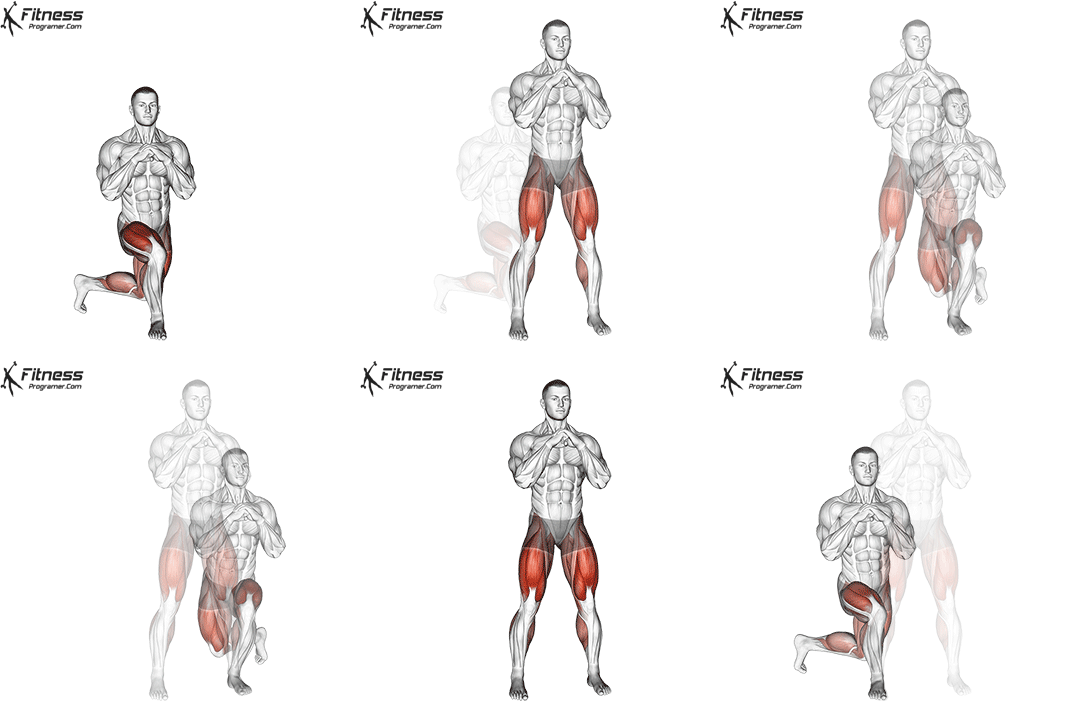
Lateral Speed Step Benefits
- Lateral speed step exercise helps to work the stabilizer muscles, allowing for balanced, coordinated movement as well as lateral strength and flexibility. Also, the single-leg nature of the exercise equalizes strength on both legs to improve agility in all directions. Lateral speed step is a suitable exercise for beginners. It can help strengthen leg muscles, tighten hip muscles and burn calories to lose weight.
Muscles Worked in the Lateral Speed Step
Overview
The curtsy squat is a lower-body exercise that effectively targets the glutes, quadriceps, and inner thighs while also improving balance and coordination. This movement mimics the motion of a curtsy, making it a unique lunge variation that engages stabilizing muscles and enhances lower-body strength.
How to Perform the Curtsy Squat
Step 1: Setup and Positioning
Stand tall with your feet hip-width apart and keep your core engaged.
Clasp your hands on your hips or in front of your chest for balance.
Step 2: Execution
Step your right leg diagonally behind your left leg, lowering your hips into a squat position.
Keep your front knee aligned with your toes and lower your back knee close to the ground.
Press through the heel of your front foot to return to the starting position.
Repeat on the opposite side and continue alternating legs.
Tips for Proper Form
Keep your torso upright to avoid unnecessary forward lean.
Engage your core to maintain balance and stability.
Ensure your front knee stays aligned with your toes to prevent strain.
Use a slow and controlled motion, focusing on the mind-muscle connection.
Start with bodyweight before adding resistance like dumbbells or kettlebells.
Common Mistakes to Avoid
Leaning too far forward, which can reduce glute activation and strain the lower back.
Not stepping far enough behind, limiting the range of motion and effectiveness.
Allowing the front knee to cave inward, leading to improper alignment.
Using excessive weight before mastering the proper form.
Rushing through reps, which can reduce stability and muscle engagement.
Benefits of Curtsy Squat
1. Targets Multiple Muscle Groups
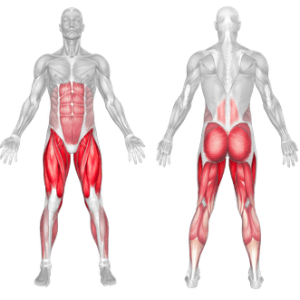
The curtsy squat effectively engages the glutes, quadriceps, hamstrings, and adductor muscles. This makes it a powerful compound exercise for building lower body strength and enhancing overall stability.
2. Enhances Balance and Coordination
The diagonal movement pattern of the curtsy squat challenges your balance and coordination. By engaging stabilizing muscles, this exercise improves overall body control and movement efficiency.
3. Improves Functional Movement
Mimicking real-life movements such as bending, twisting, and lateral stepping, the curtsy squat enhances mobility and makes daily activities more efficient and safer.
4. Strengthens Core Muscles
Like other squat variations, the curtsy squat activates the core muscles to stabilize the spine. Improved core strength contributes to better posture, injury prevention, and overall athletic performance.
5. Boosts Hip Mobility and Flexibility
The lateral motion involved in the curtsy squat helps open up the hips, improving flexibility and range of motion. This is particularly beneficial for activities requiring agility and side-to-side movement.
6. Prevents Workout Plateaus
Adding the curtsy squat to your routine introduces variety, helping to prevent muscle adaptation and workout plateaus. The unique movement pattern ensures muscles are challenged in new ways for continued growth and strength development.
7. Supports Joint Health
When performed with proper form, the curtsy squat strengthens the muscles around the knees, hips, and ankles. This added support can help reduce the risk of joint-related injuries and improve long-term mobility.
8. Promotes Calorie Burn and Cardiovascular Health
Since the curtsy squat engages multiple muscle groups simultaneously, it contributes to higher energy expenditure. When incorporated into a dynamic workout, it can help boost metabolism, burn calories, and improve cardiovascular endurance.
How to Incorporate Into Your Routine
For Strength and Growth: Perform 3 to 4 sets of 8 to 12 reps per leg, using dumbbells.
For Endurance and Stability: Perform 3 sets of 12 to 15 reps per leg, using bodyweight.
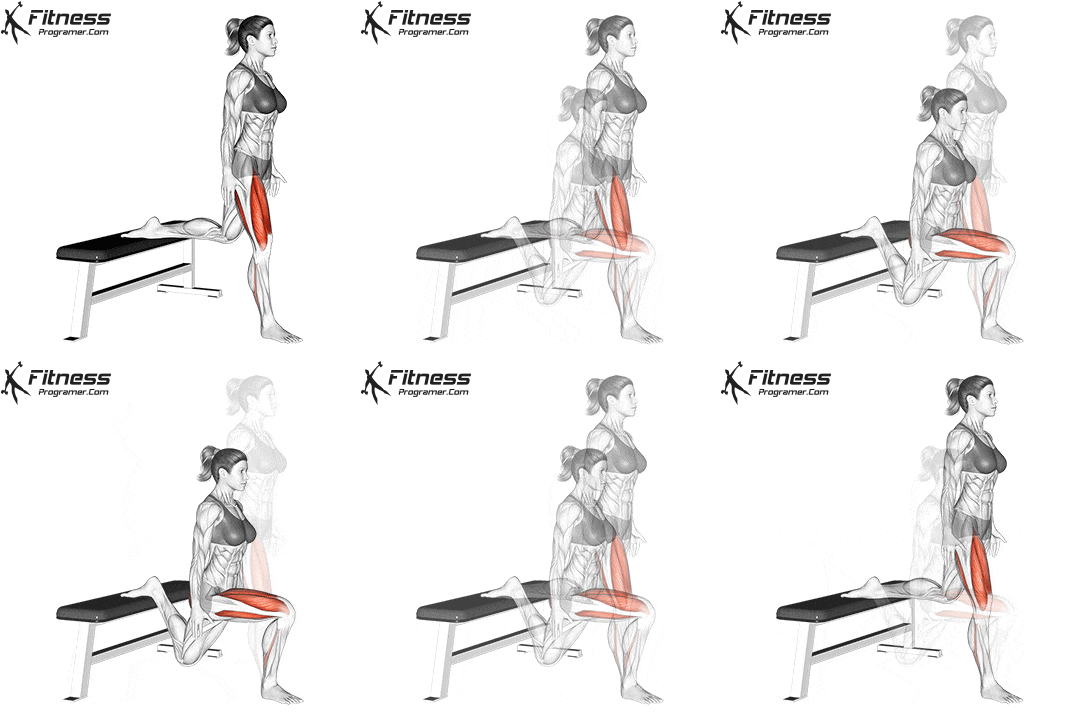
Pair With: Bulgarian split squats, lunges, lateral step-ups, and traditional squats for a well-rounded lower-body workout.
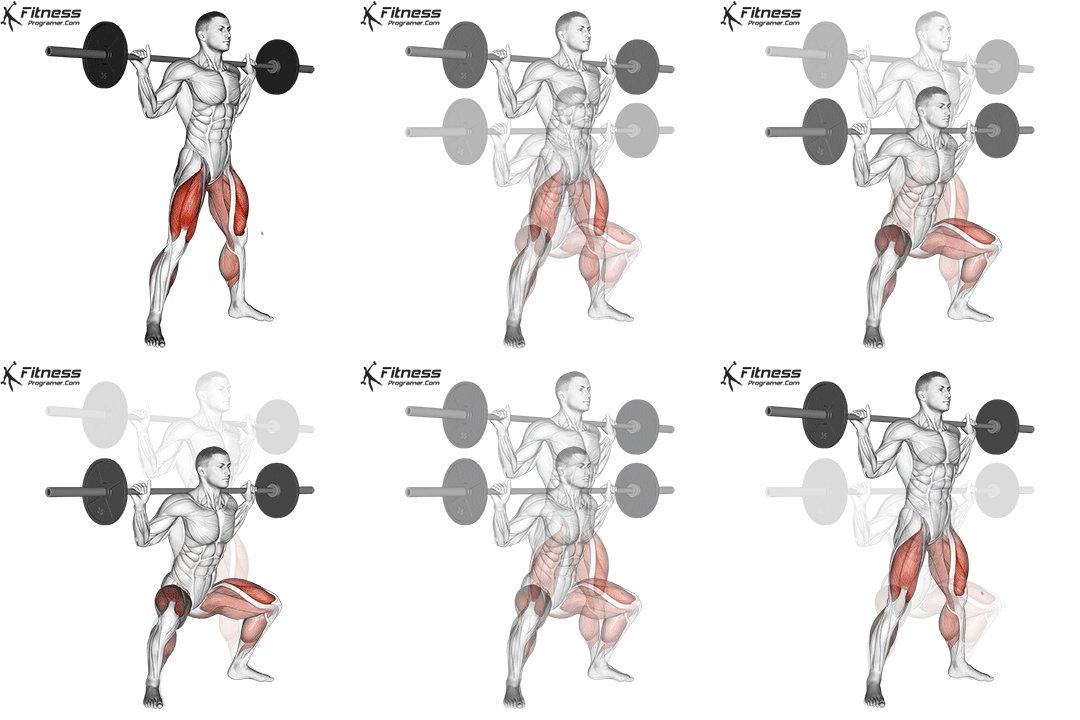
Curtsy Squat Muscles Worked
Frequently Asked Questions (FAQs)
Are curtsy squats safe for knees?
Yes, when performed with correct alignment. Avoid letting the front knee collapse inward.
Should I use weights for curtsy squats?
Start with bodyweight, then progress to dumbbells or kettlebells once form is mastered.
How many times a week should I do curtsy squats?
Two to three times per week is sufficient for most strength and toning goals.
What’s the difference between curtsy squats and lunges?
Curtsy squats involve a diagonal step, placing more emphasis on glutes and adductors than standard lunges.
Can curtsy squats help with hip mobility?
Yes, they are excellent for improving hip range of motion and functional stability.
How to do Standing Toe Touch
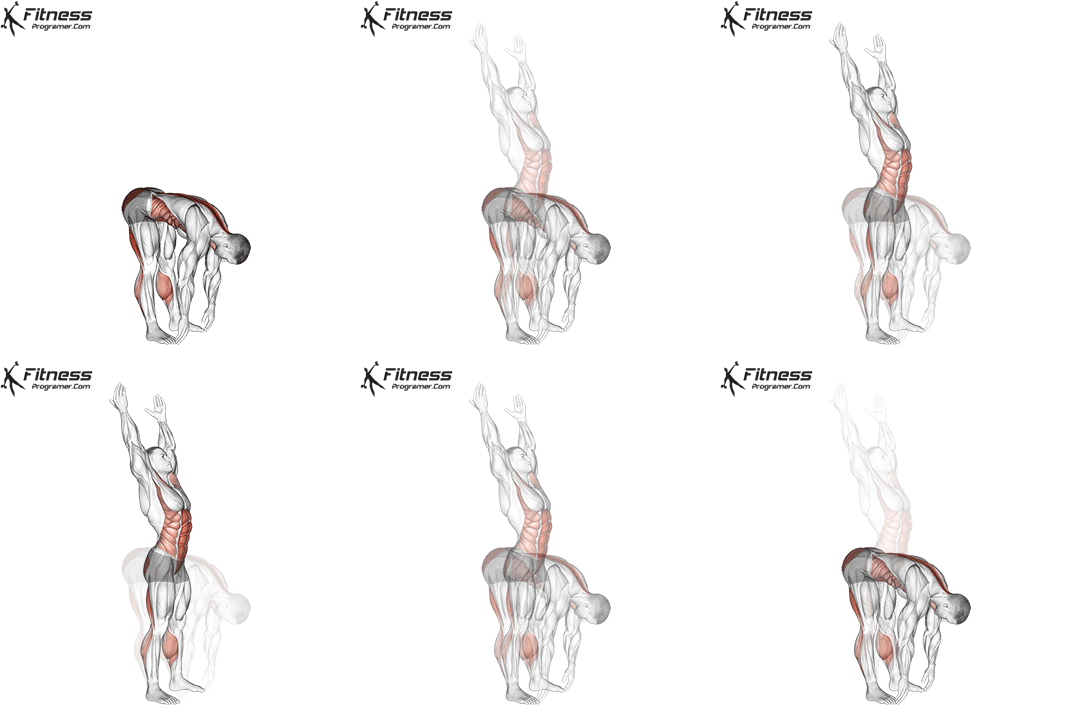
1- Stand tall with your feet shoulder-width apart and your knees slightly bent. Engaging your core, raise your arms above your head, keeping your elbows soft.
2- Begin to roll down through the spine, initiating the movement from the head and upper back. Drop the arms forward and below your shoulders in a smooth controlled motion.
3- Continue the movement until you are as fully folded through the spine and hips as possible without straining. Relax your head, neck, and shoulders. Hold briefly, then return to start position in a slow, fluid motion.
Split Jump Squat
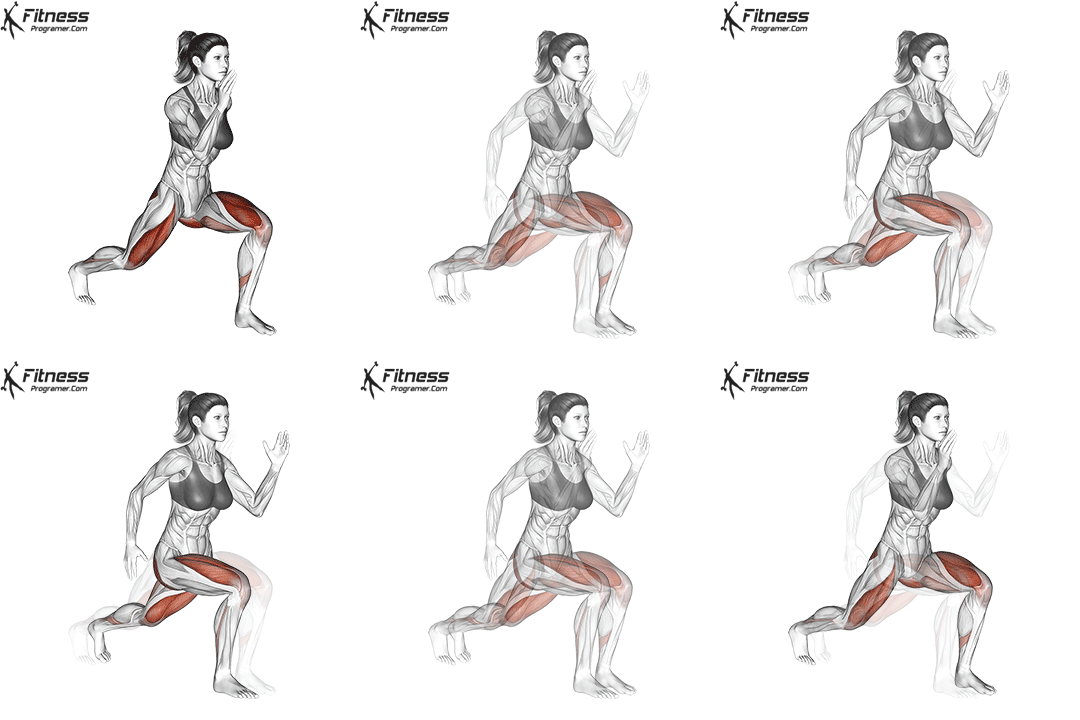
The split jump squat is a bodyweight exercise that targets the quads, hamstrings, and glutes. It is a unilateral exercise, meaning that it works one leg at a time, which can help to improve balance and stability while also providing a greater challenge for the muscles.
Split jump squats are a high-intensity exercise that can be performed quickly, making them a great option for a time-efficient workout. This means that you can get a lot of benefits from a short workout, which can be particularly useful for busy people.
How to do:
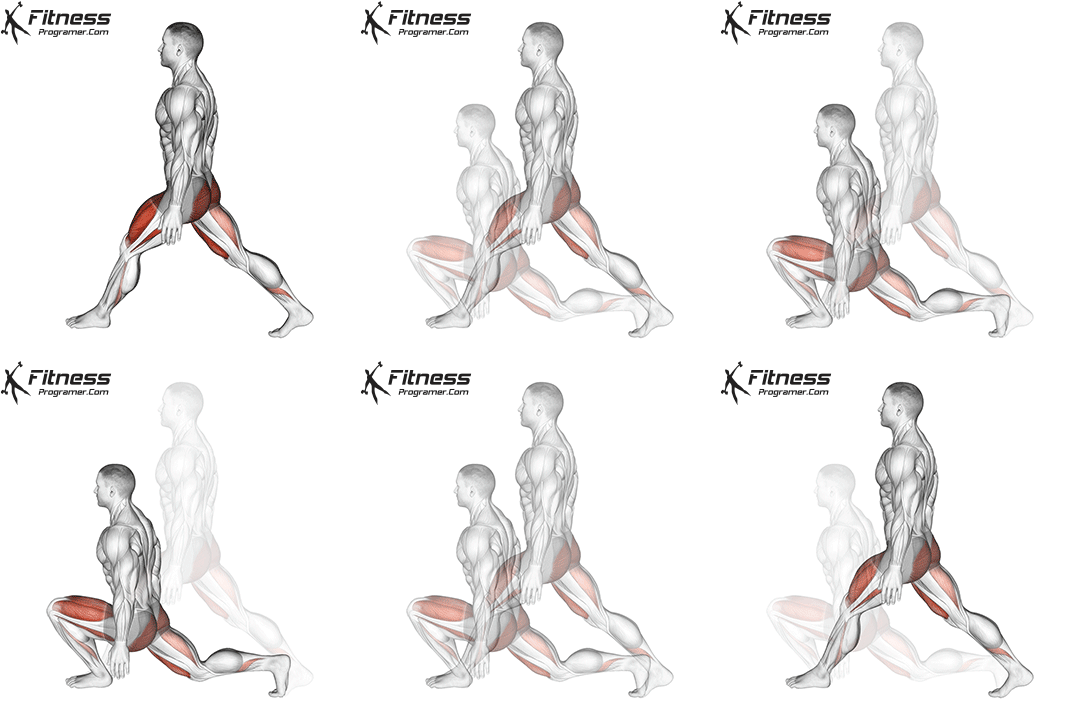
- Begin in a lunge position with your right foot forward and left foot back. Keep your feet shoulder-width apart and your toes pointing forward.
- Explosively jump up and switch the position of your feet in mid-air, so that your left foot is now in front and your right foot is back.
- Land softly on the ground with your left foot forward and right foot back, lowering your body back down into a lunge position.
- Repeat the movement for the desired number of reps or time, alternating between each leg.
Split Jump Squat Benefits
- Improved Leg Strength: Split jump squats are a unilateral exercise that require explosive power from a single leg, which can help improve leg strength, particularly in the quadriceps, hamstrings, and glutes. This makes it a great exercise for runners, cyclists, and other athletes who rely heavily on lower body strength and power.
- Increased Cardiovascular Endurance: The explosive nature of split jump squats can also provide a cardiovascular workout, helping to improve endurance and overall fitness. This is because the exercise causes your heart rate to increase rapidly, which can improve oxygen consumption and overall cardiovascular health.
- Improved Balance and Stability: Because split jump squats are a unilateral exercise, they require greater balance and stability than traditional squats. This can help improve overall athletic performance and reduce the risk of injury, particularly in sports that involve sudden changes in direction or unstable surfaces.
- Better Coordination: The split jump squat requires coordination between the lower body and core muscles, helping to improve overall coordination and agility. This can be particularly useful for athletes who require good coordination, such as basketball players or soccer players.
In conclusion, split jump squats are a versatile exercise that can offer a wide range of benefits for both fitness enthusiasts and athletes. By improving leg strength, cardiovascular endurance, balance, stability, coordination, and overall fitness, split jump squats can help you become a better athlete and achieve your fitness goals. If you’re interested in trying split jump squats, be sure to start slowly and gradually increase the intensity as you become more comfortable with the exercise.
Split Jump Squat Muscles Worked
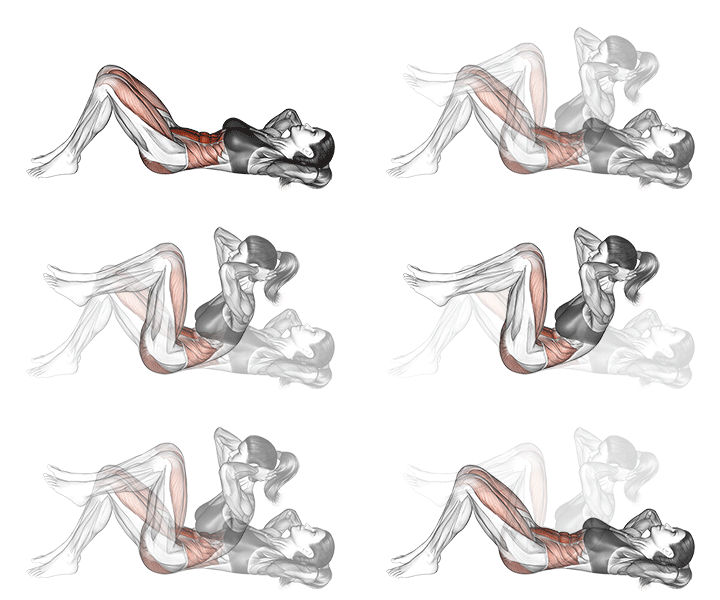
How to Crunch With Leg Raise
Crunch With Leg Raise Benefits
- Crunch exercises are generally designed to strengthen and develop the core muscles of the body. Exercise helps to strengthen core muscles, improve posture, and increase muscle mobility and flexibility.
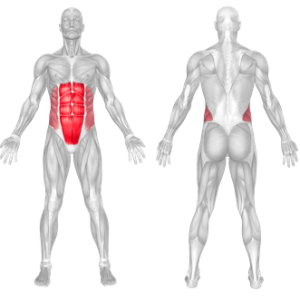
- It targets the lower and upper abdominal muscles at the same time: The crunch with leg raise exercise targets the rectus abdominus and oblique muscles, so that the upper and lower abdominal muscles develop simultaneously.
Muscles Worked in The Crunch With Leg Raise
Drop Push-Up Overview
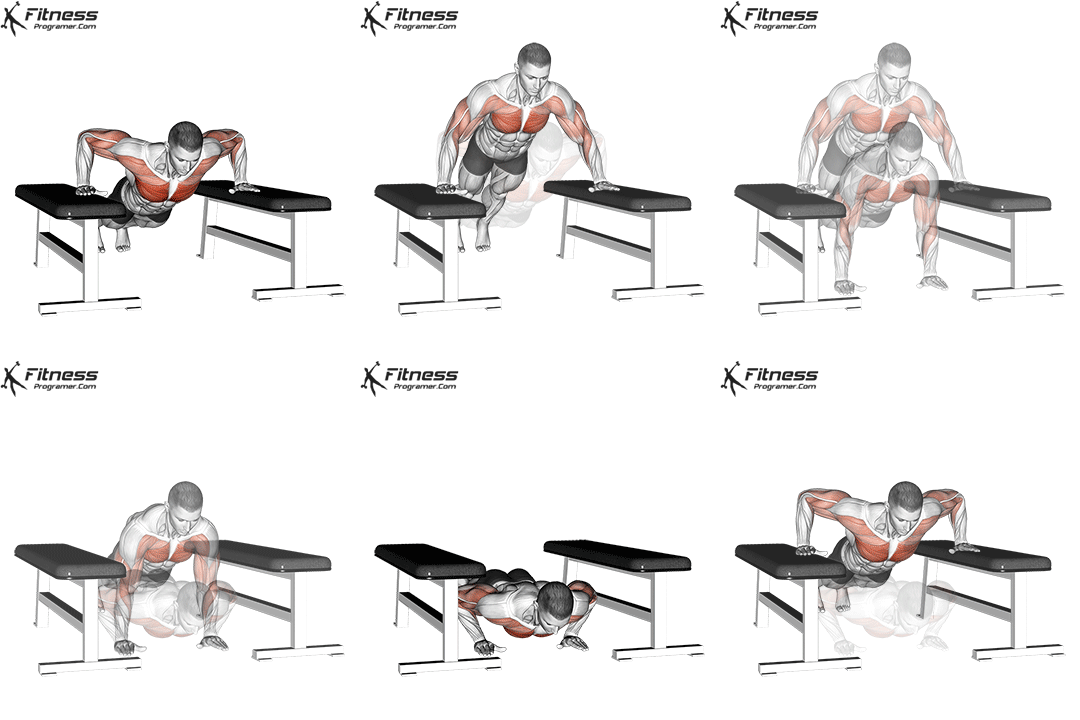
The Drop Push-Up is a dynamic and explosive bodyweight exercise that combines strength and power development with upper-body conditioning. Drop push-ups provide a greater challenge to your chest, shoulders, and triceps compared to standard push-ups because of the increased range of motion. This exercise can be particularly useful for individuals looking to advance their push-up abilities and increase the intensity of their workout.
How to Perform the Drop Push-Up
Setup:
- Place two sturdy benches or boxes parallel to each other, leaving enough space for you to move comfortably between them.
- Make sure the benches or boxes are stable and won’t tip over during the exercise.
- Position yourself so that you can place your hands on the benches and your feet on the floor.
Starting Position:
- Get into a push-up
- Your body should form a straight
Regular Push-Up:
- Begin the exercise by performing a regular push-up. Lower your chest toward the bench by bending your elbows.
- Keep your body in a straight line and maintain proper push-up form. Your chest should come close to the bench without touching it.
Landing:
- During the landing phase, you will release your hands from the benches and aim to land with your hands on the ground.
- As you descend towards the ground, take your hands off the bench and direct them toward the ground for a soft landing.
- Land with control to minimize any jarring impact on your wrists and shoulders.
Return:
- After completing the push-up on the ground, explosively push yourself up with as much force as possible.
- Use your chest, triceps, and shoulders to generate the upward force.
- Place your hands back on the benches in the starting position.
Repeat:
- Perform the exercise for the desired number of repetitions.
Tips for Effectiveness
- Master Push-Ups First: Ensure you can perform standard push-ups with proper form before attempting Drop Push-Ups.
- Focus on Control: During the drop phase, control your descent to minimize impact and prevent injuries.
- Explode with Power: Push up explosively during the push-up phase to maximize the plyometric benefit.
- Warm Up Thoroughly: Prepare your wrists, shoulders, and core with dynamic stretches to reduce the risk of strain.
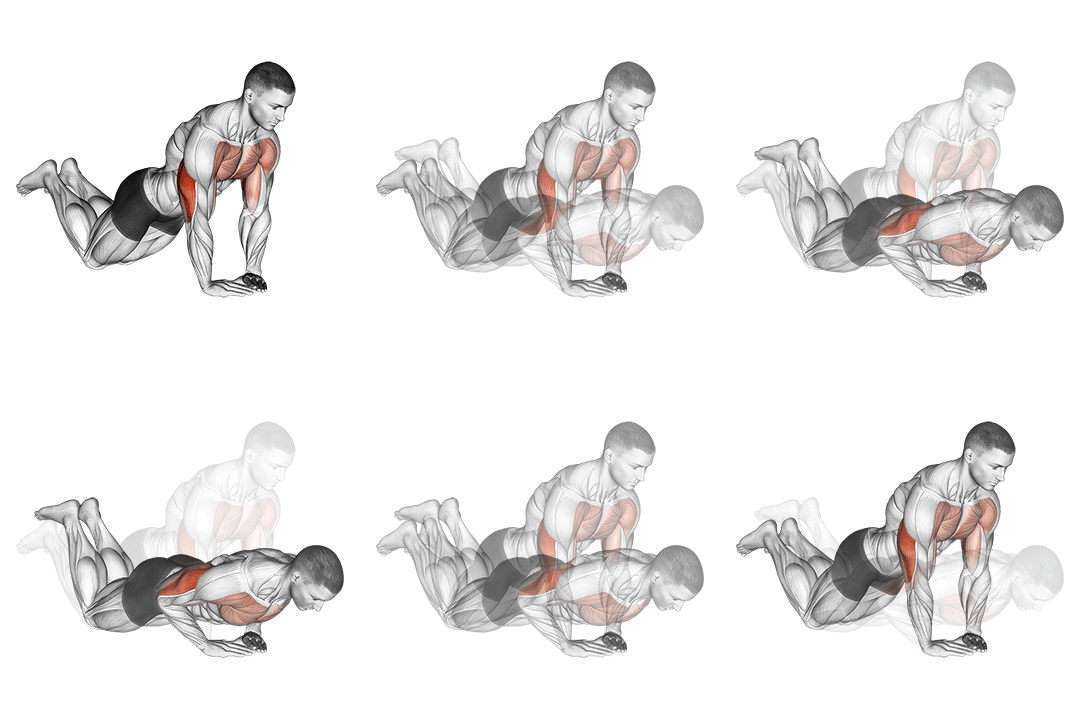
- Progress Gradually: Start with fewer reps or modified versions, such as dropping from a kneeling position, if you’re a beginner.
Benefits of Drop Push-Up
- Cardiovascular Strength: Drop push-ups are a form of plyometric exercise, which involves explosive movements that can elevate your heart rate. This helps improve cardiovascular endurance over time, enhancing your overall heart health and stamina.
- Increased Speed and Power: Plyometric exercises like drop push-ups focus on explosive movements, which can increase your speed, quickness, and power. Power is essential for activities that require quick bursts of strength, such as sprinting, jumping, and various sports. The explosive nature of drop push-ups helps improve your power output.
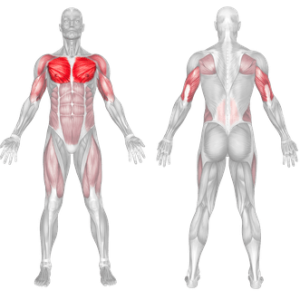
- Whole-Body Workout: Drop push-ups engage multiple muscle groups simultaneously, including the chest, shoulders, triceps, core, back, and legs. This makes them a comprehensive full-body workout, helping you build strength and muscle definition.
- Core Strength: Drop push-ups require core stability to maintain proper form during the exercise. This helps strengthen your abdominal muscles, obliques, and lower back, contributing to improved posture and overall core strength.
- Muscular Endurance: Repeatedly performing drop push-ups can increase muscular endurance, allowing you to perform more repetitions over time. Enhanced endurance can translate into better athletic performance and reduced risk of fatigue-related injuries.
- Fat Loss: Plyometric exercises like drop push-ups can be effective for burning calories and reducing stored body fat. The combination of strength training and cardiovascular elements can contribute to a leaner physique when combined with a proper diet.
As with any exercise, it’s important to use proper form and maintain good control throughout the movement to prevent injury. If you’re new to drop push-ups, consider starting with a lower elevation or performing them with proper guidance to ensure you’re performing them safely and effectively.
Drop Push-Up Muscles Worked
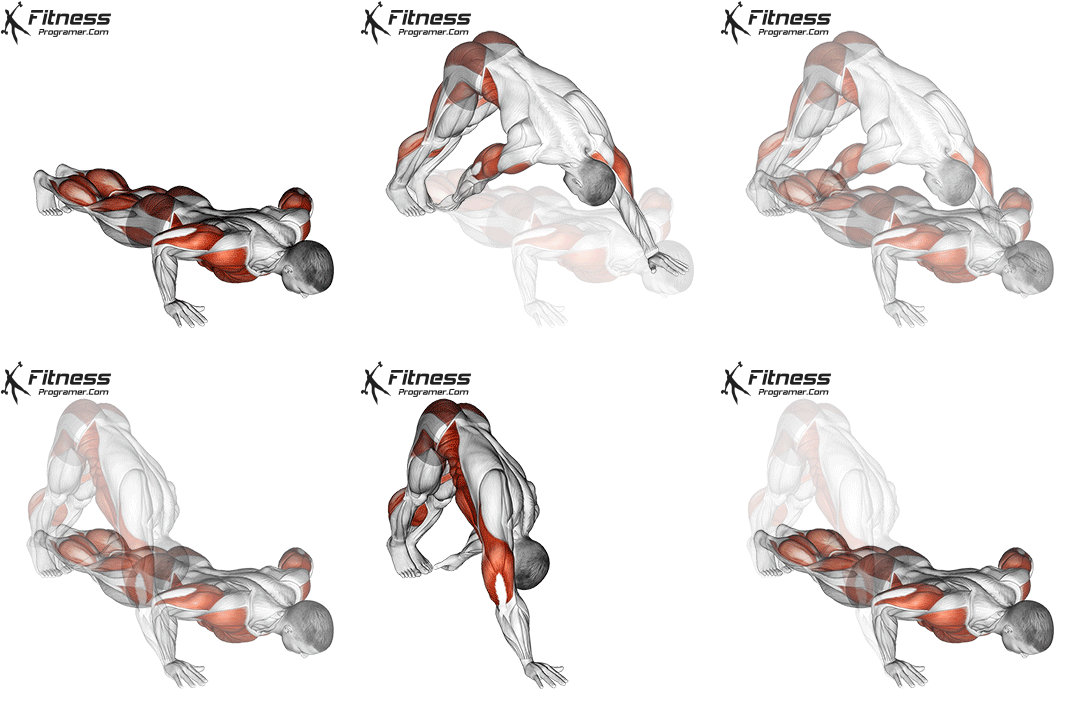
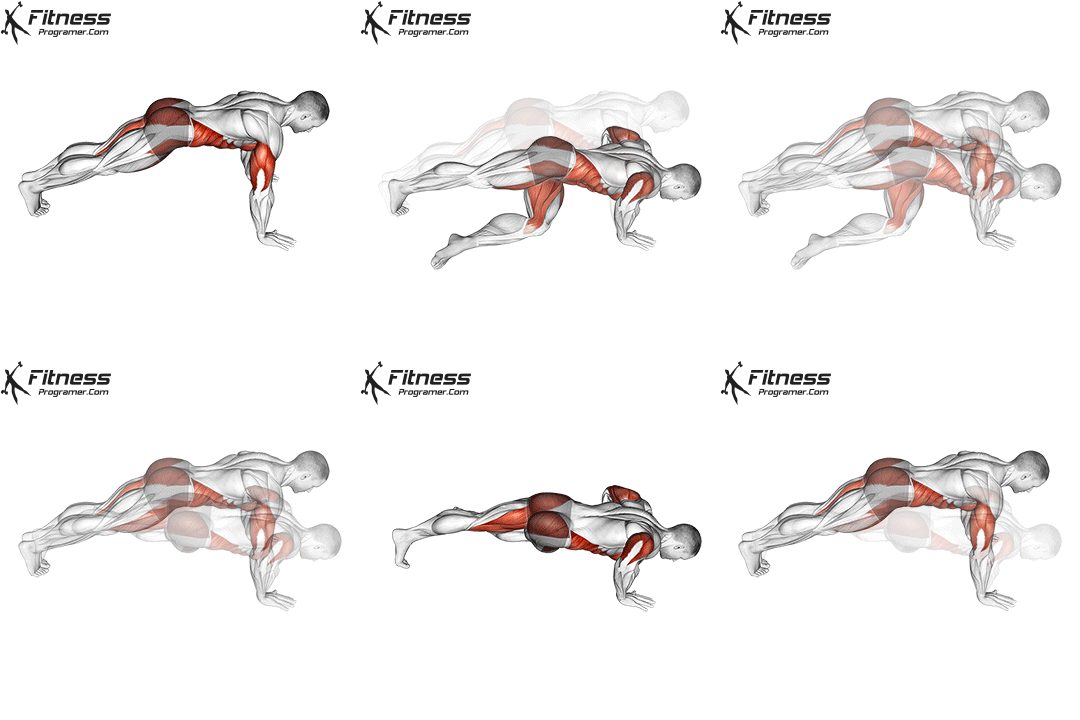
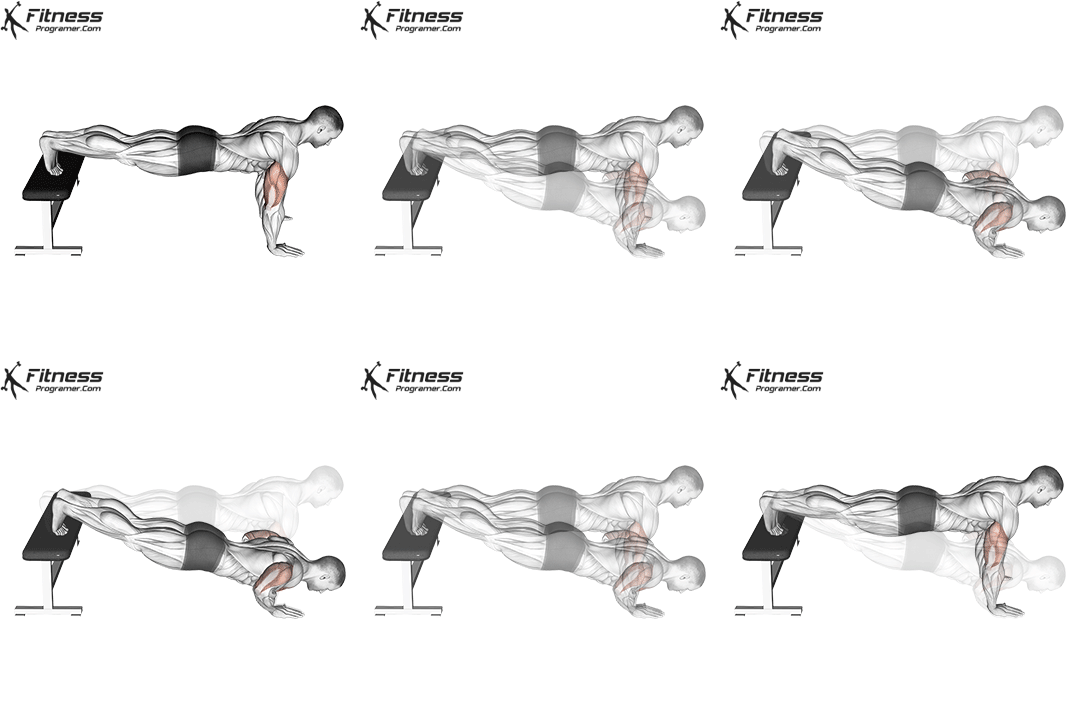
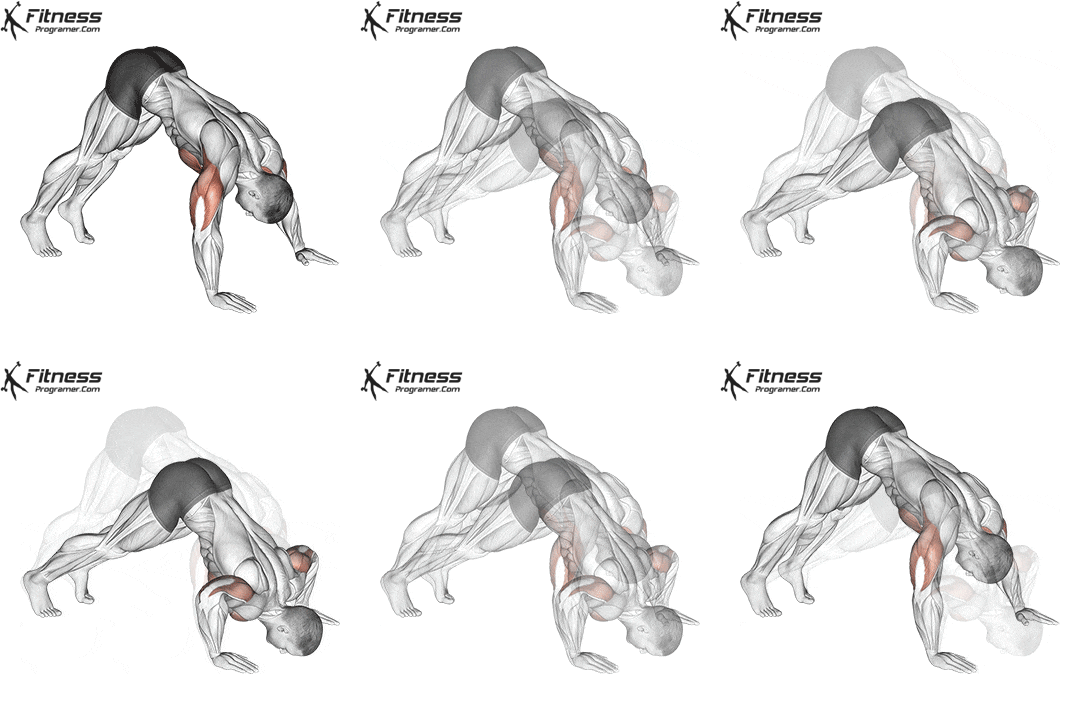
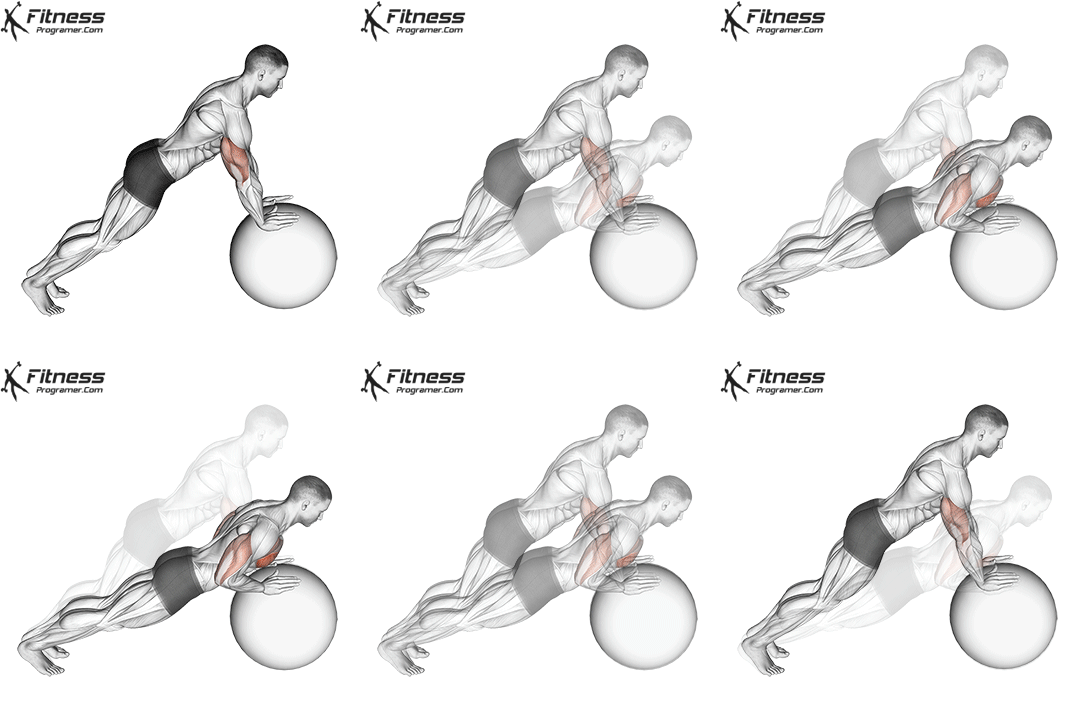
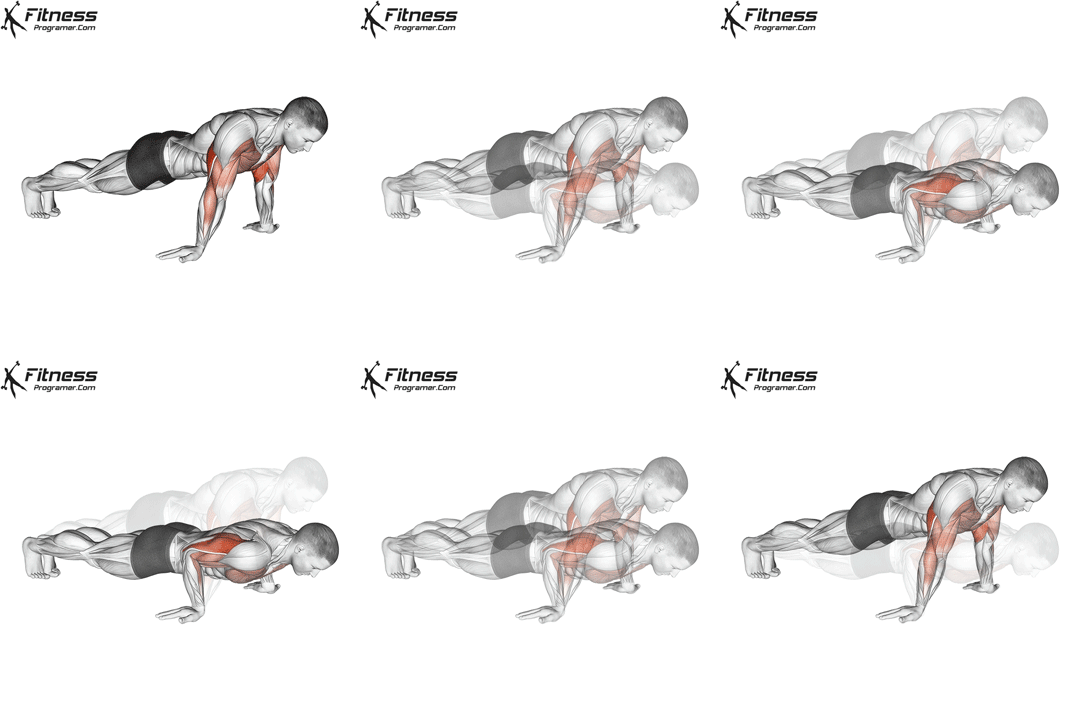
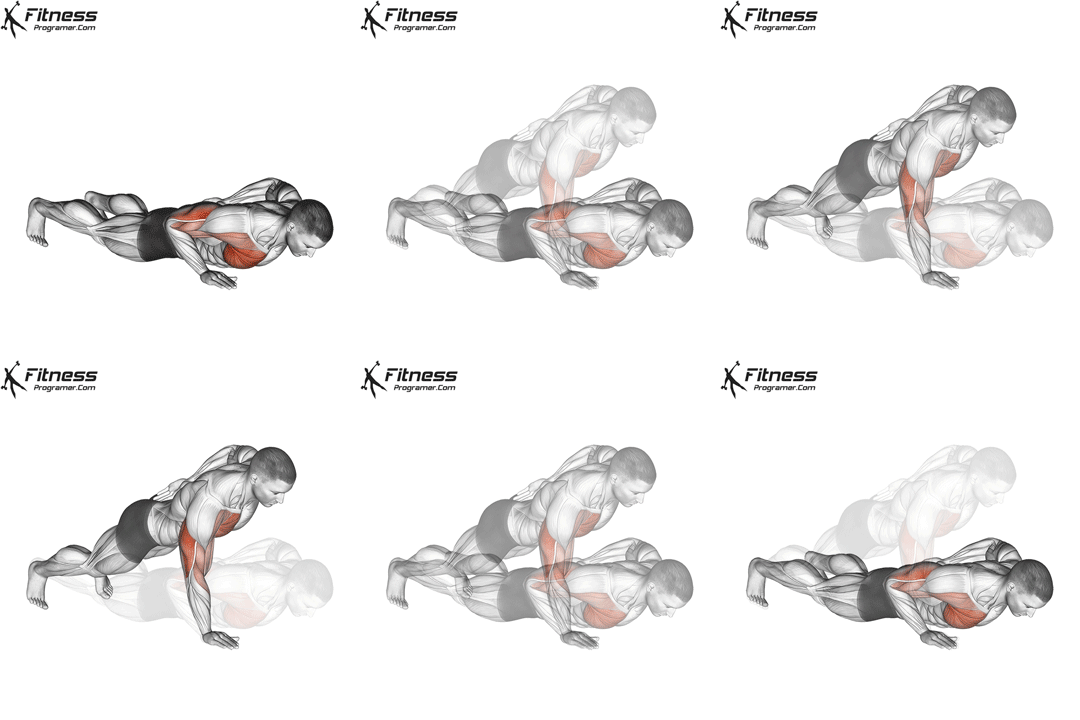
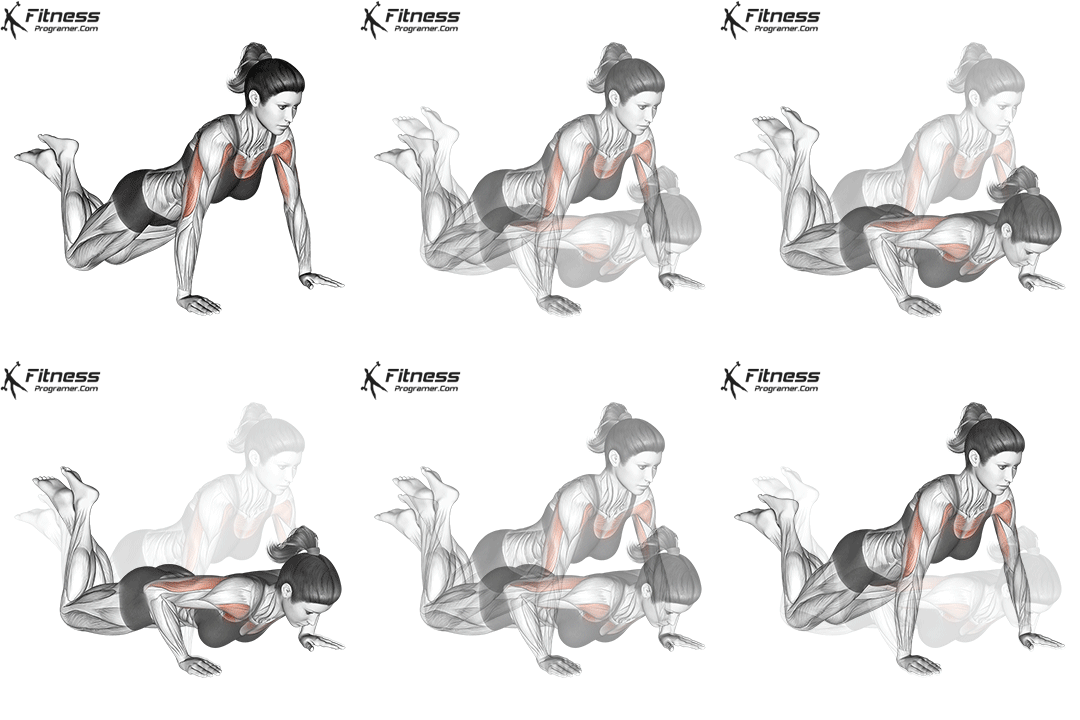
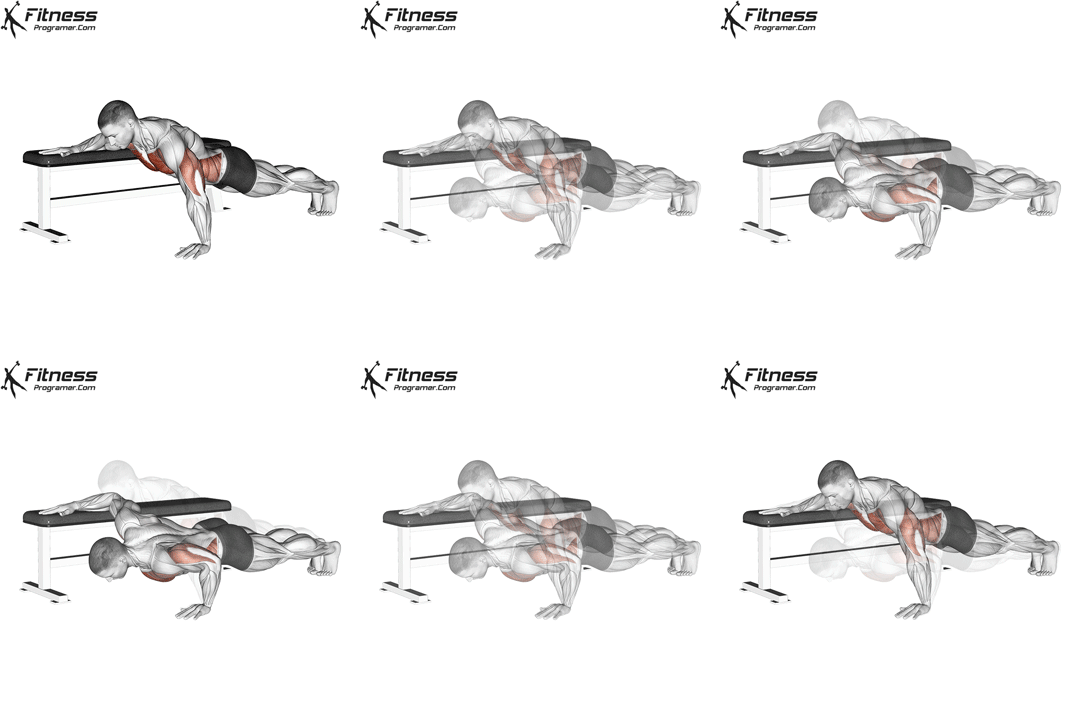
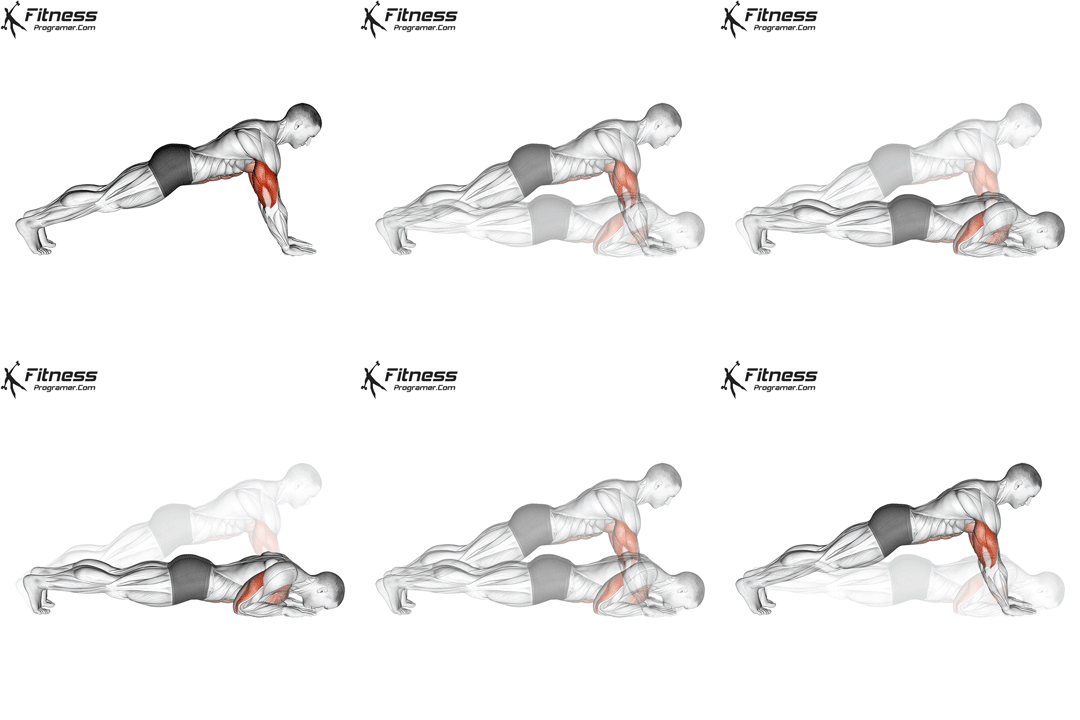
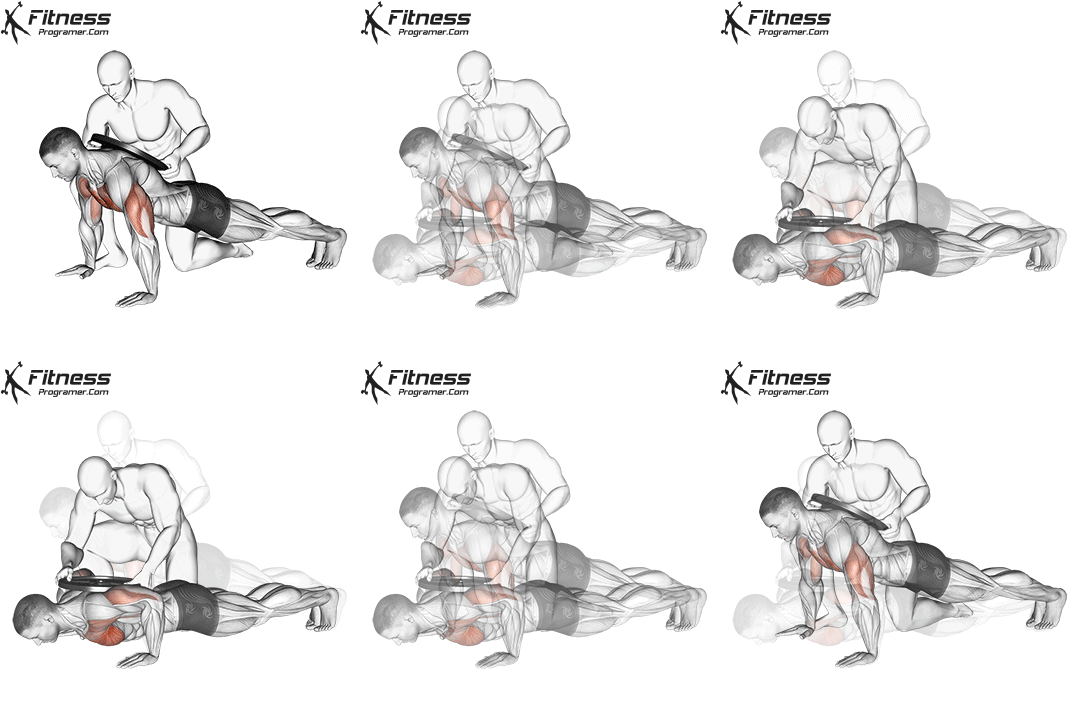
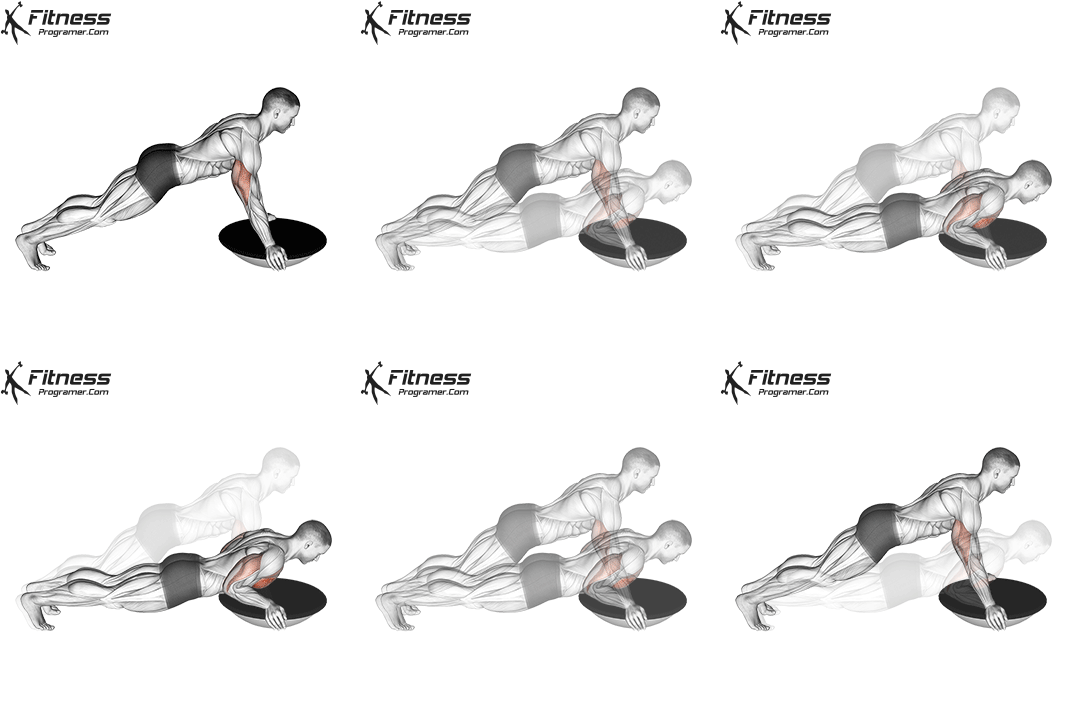
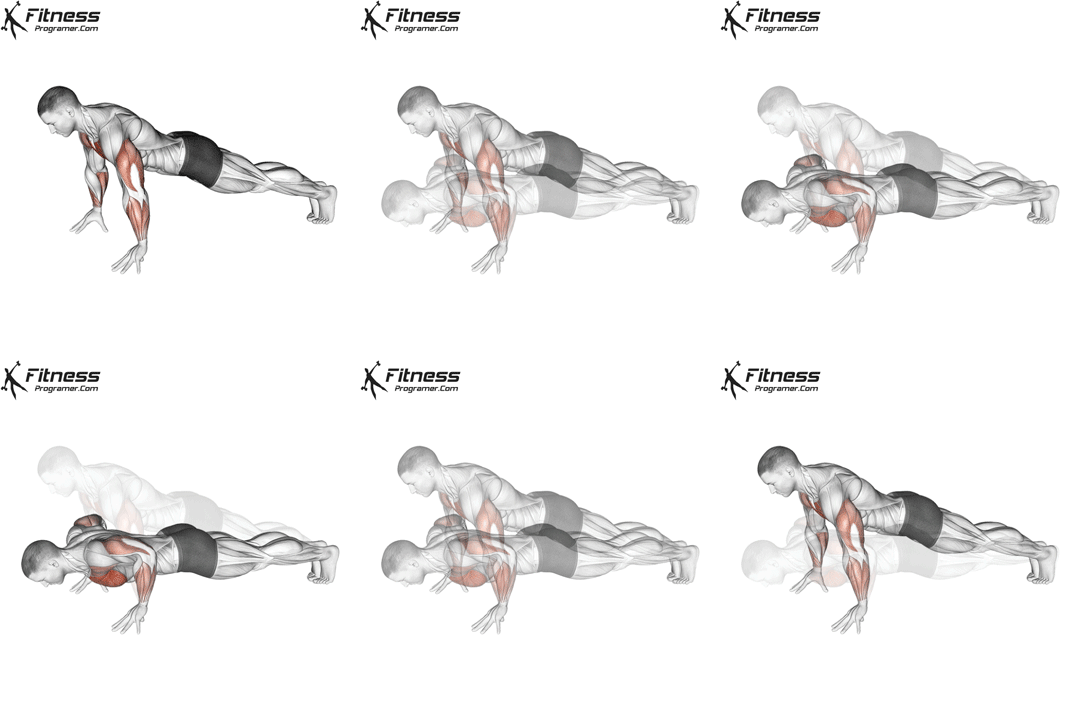
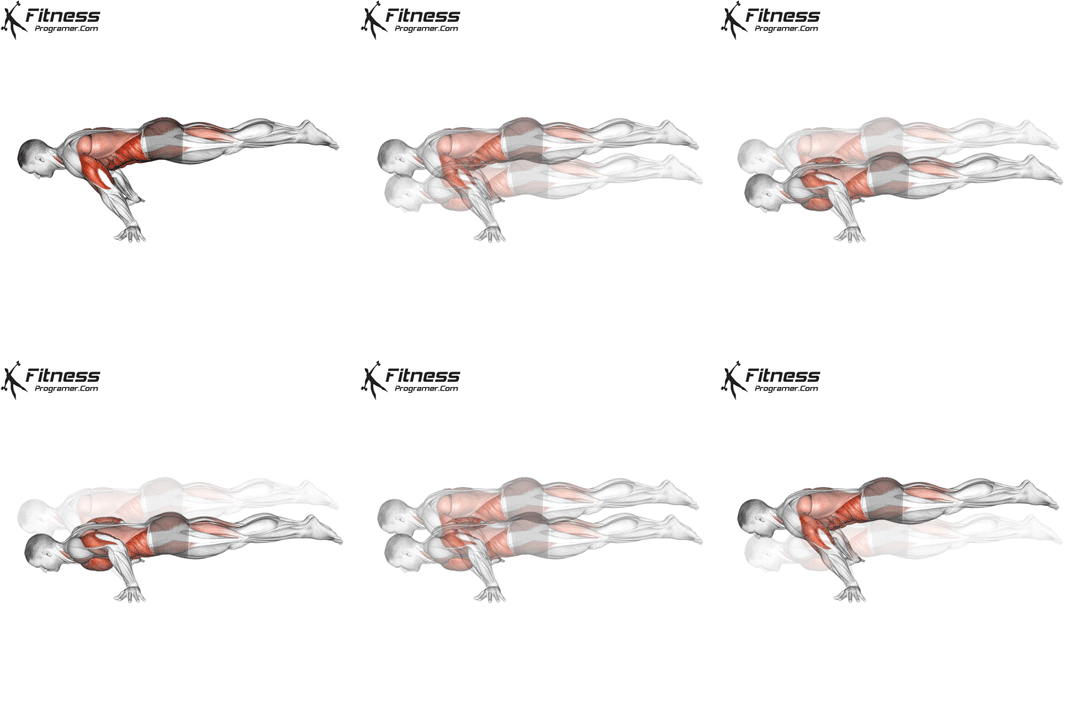
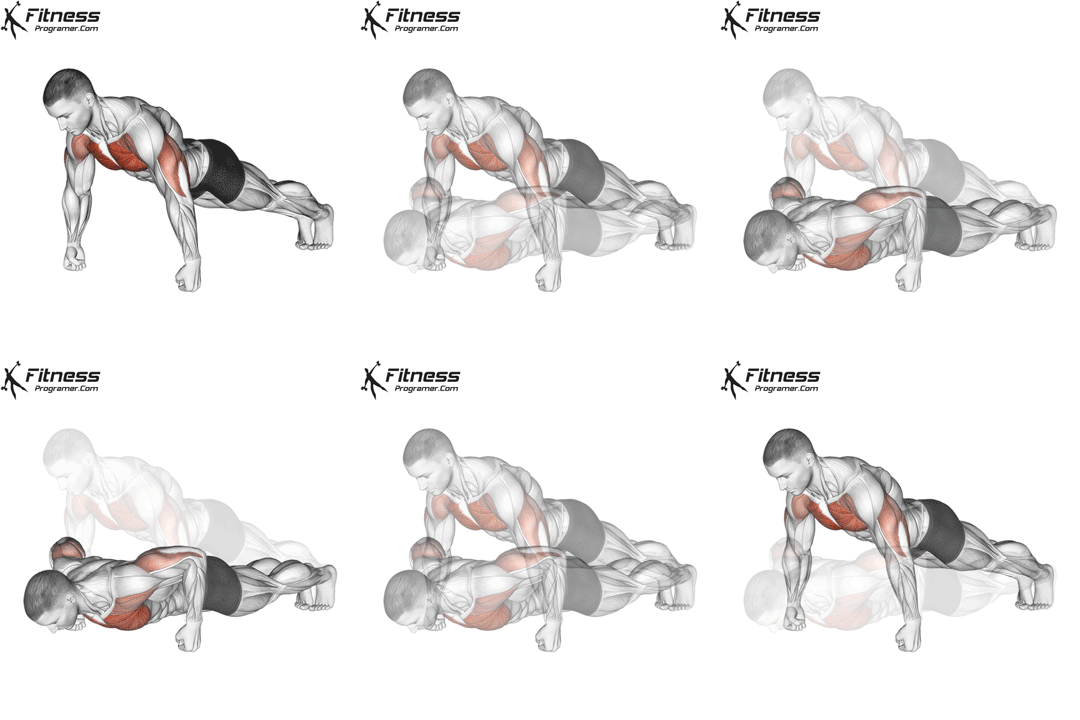
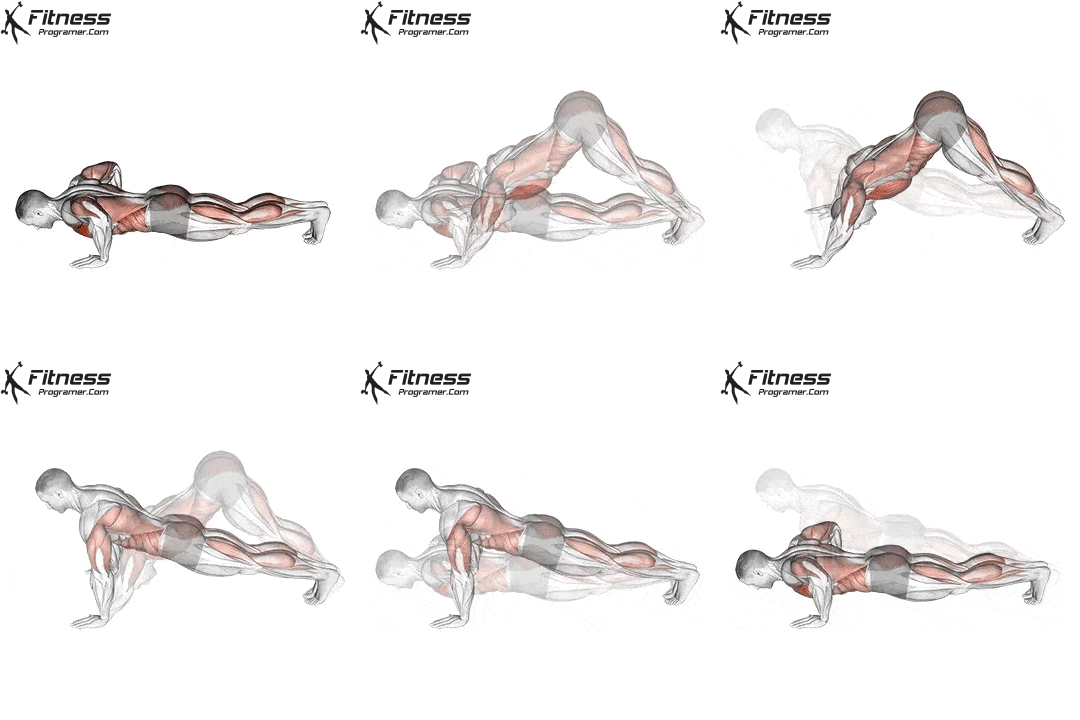
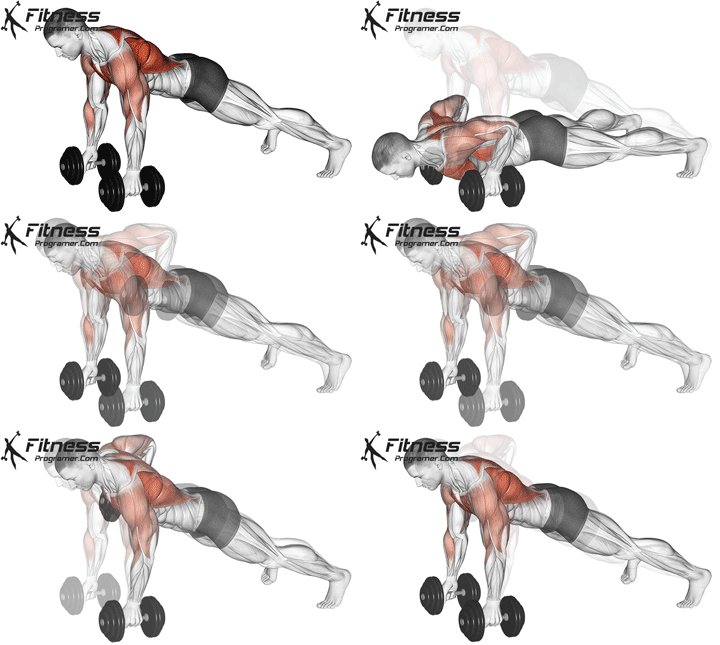
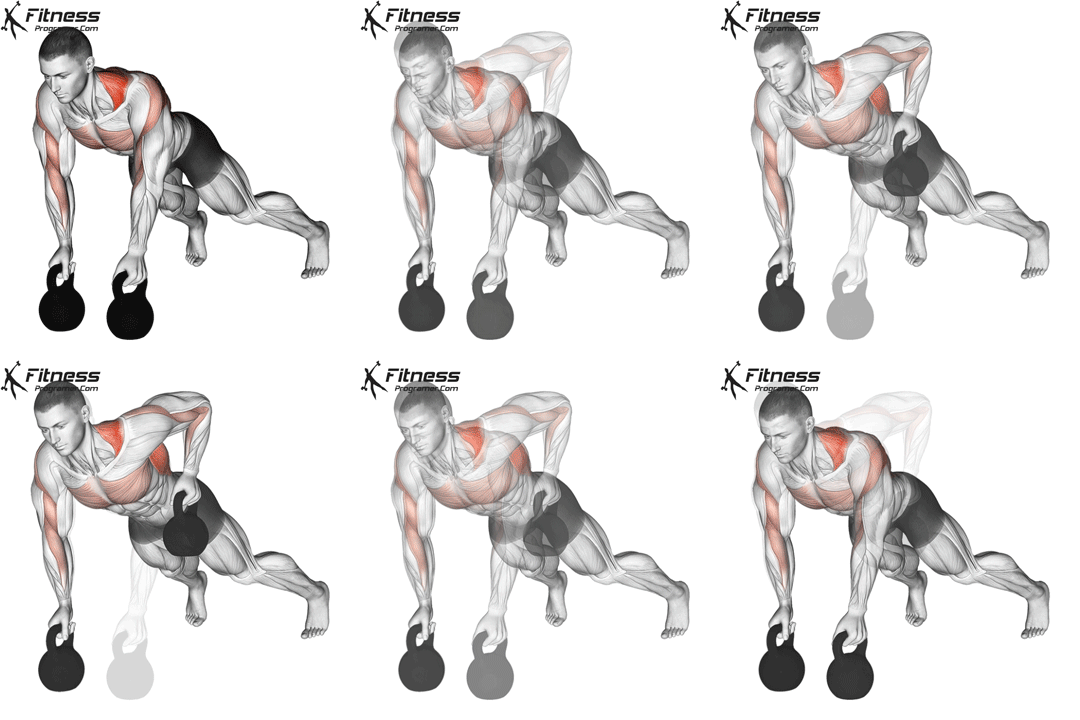
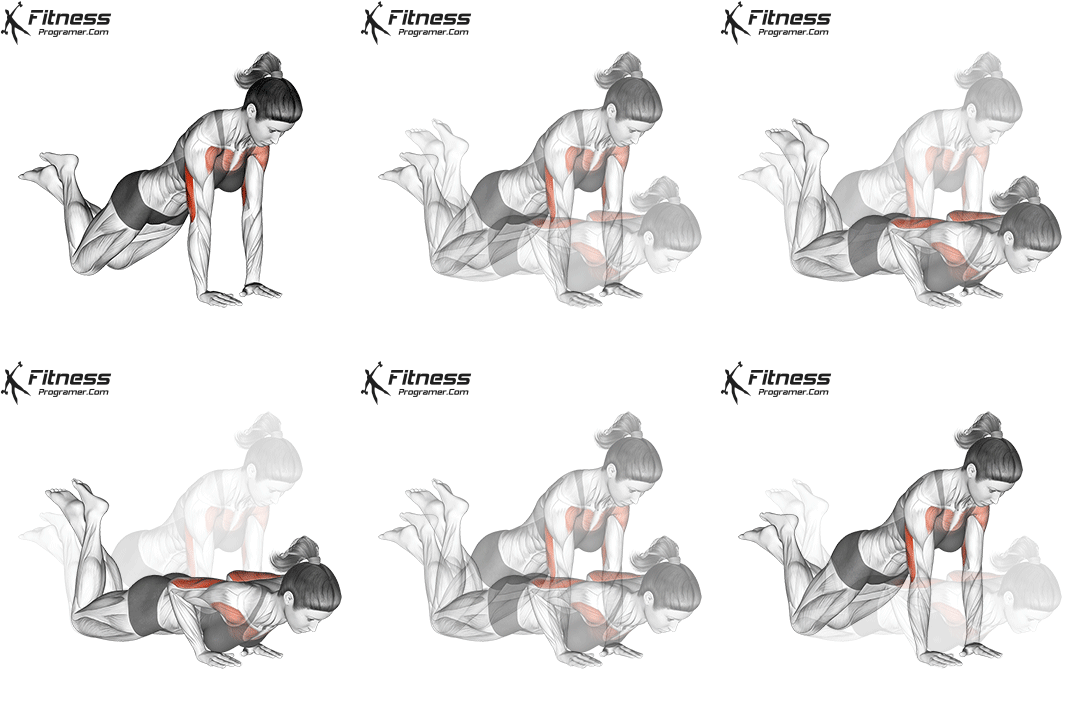
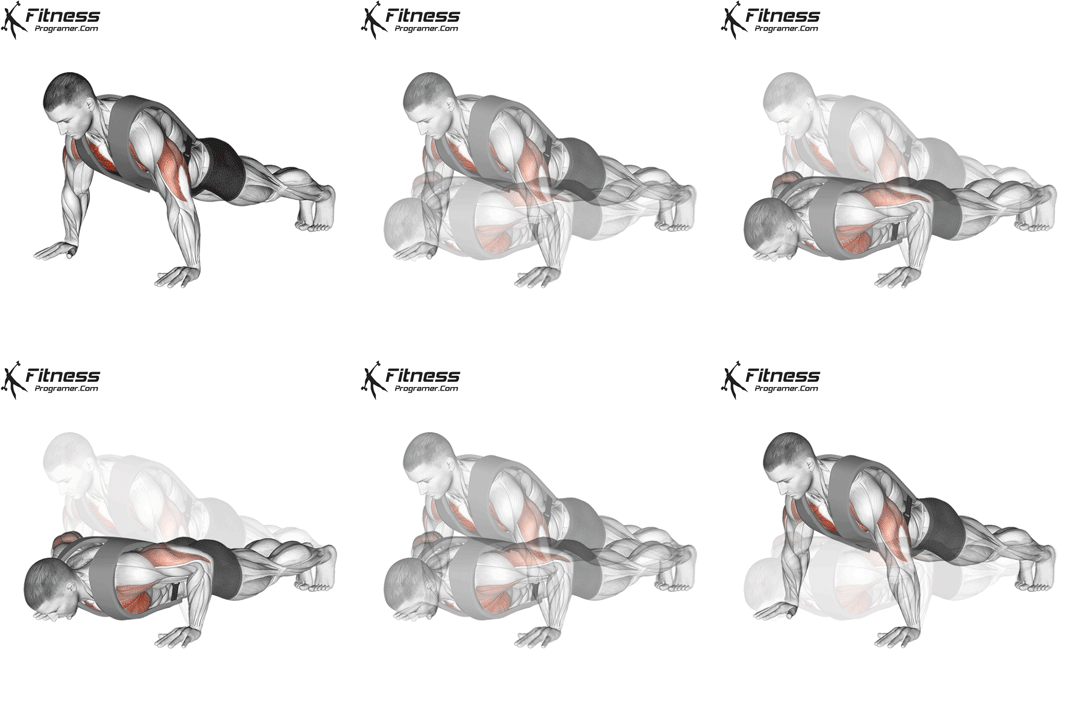
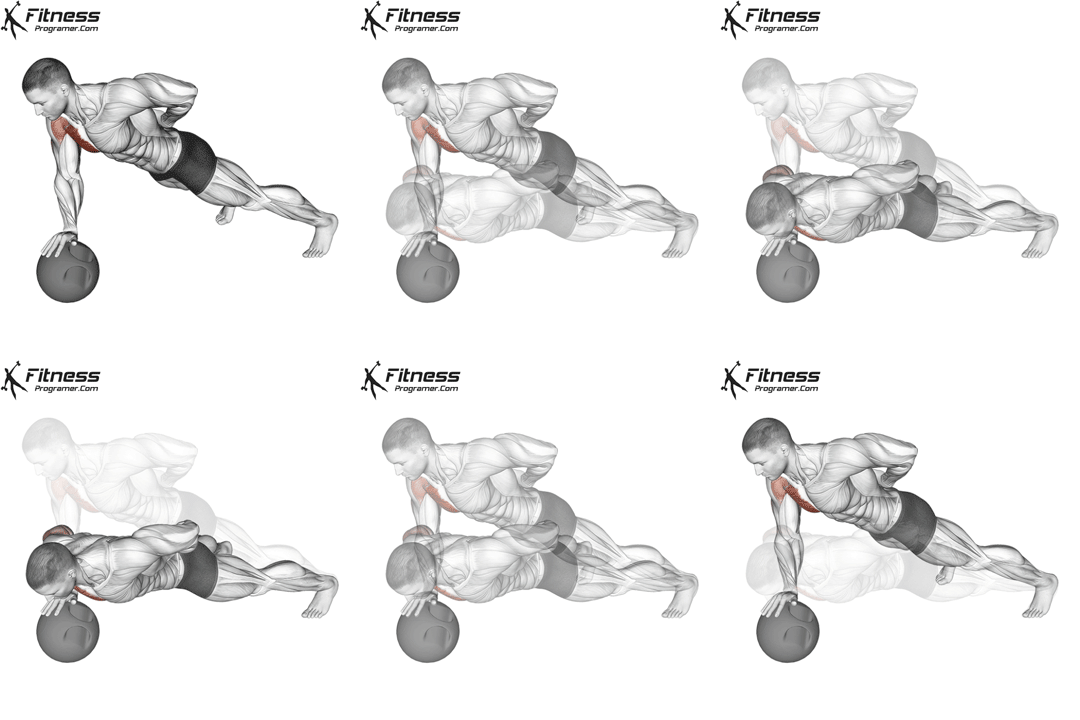
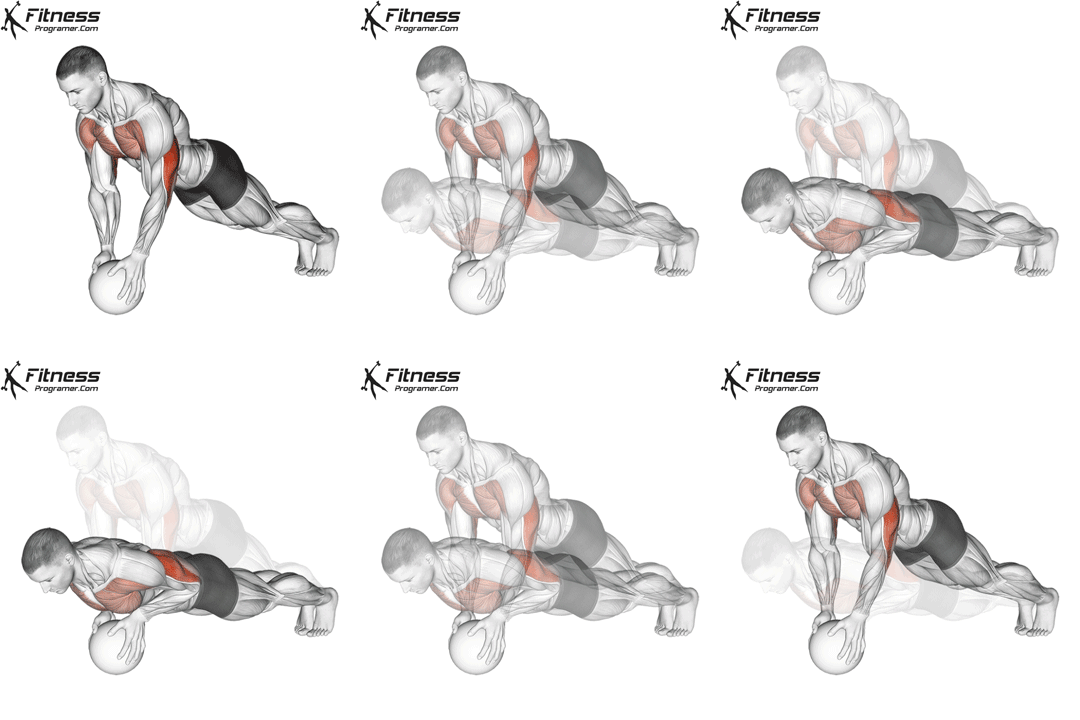
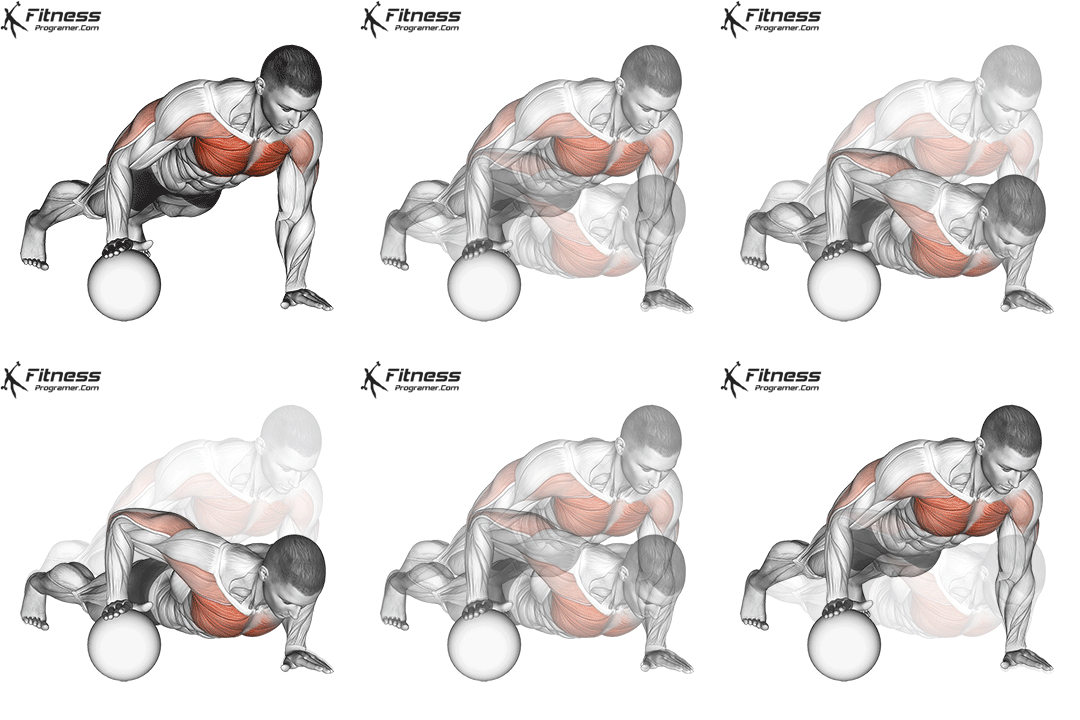
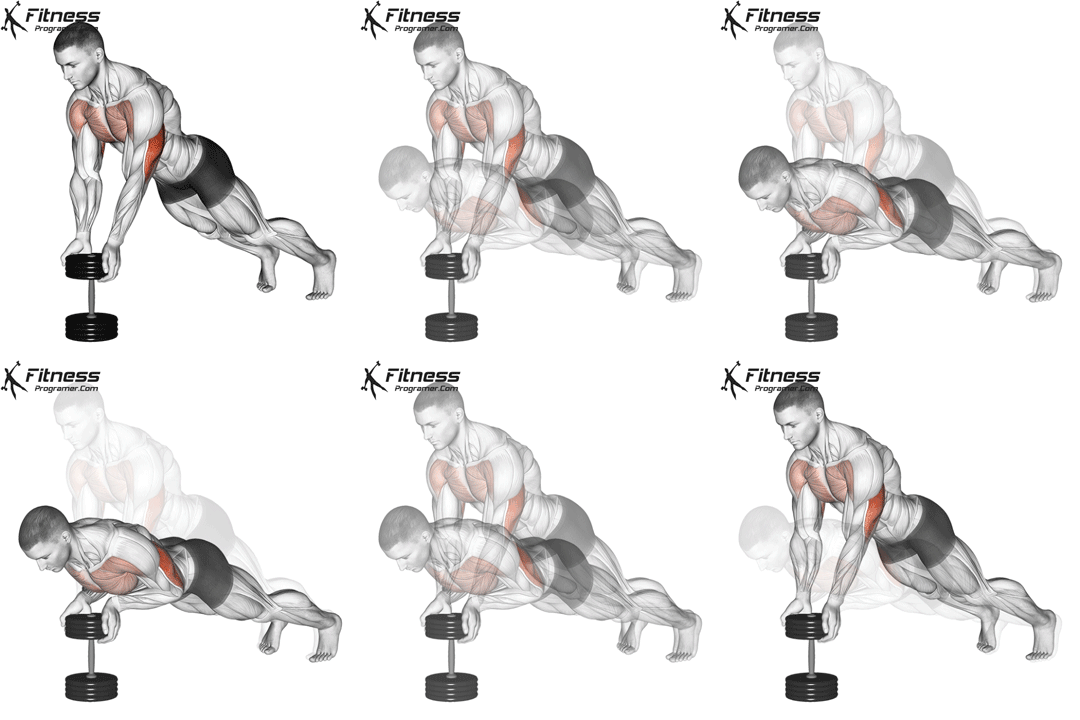
Drop Push-up Variations
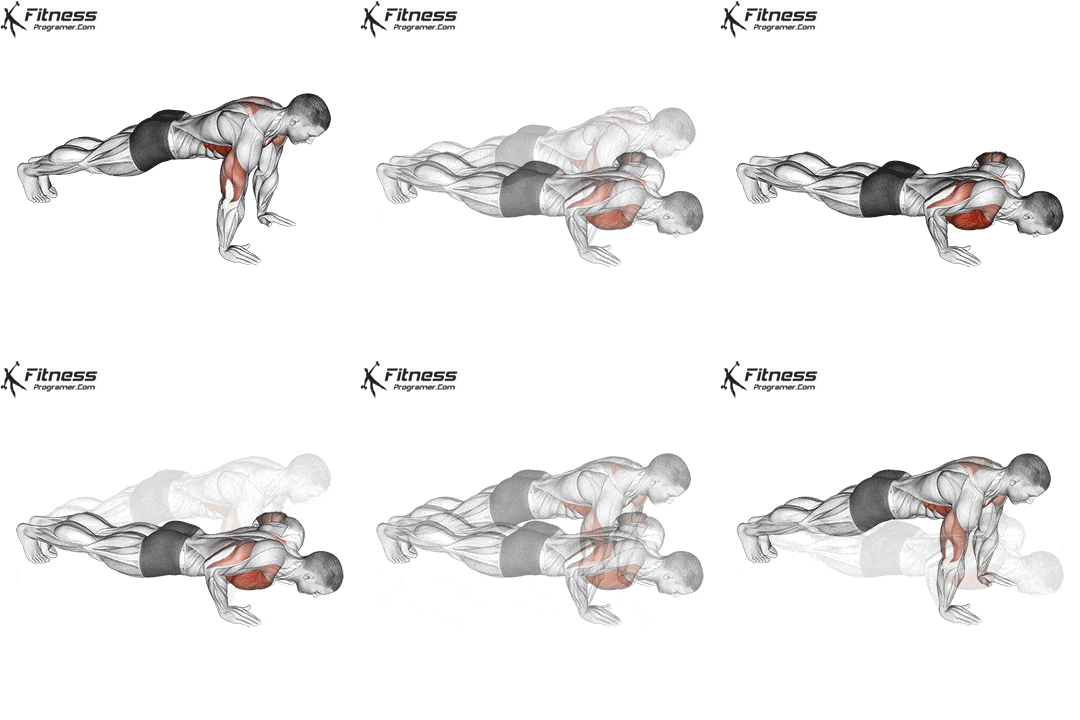
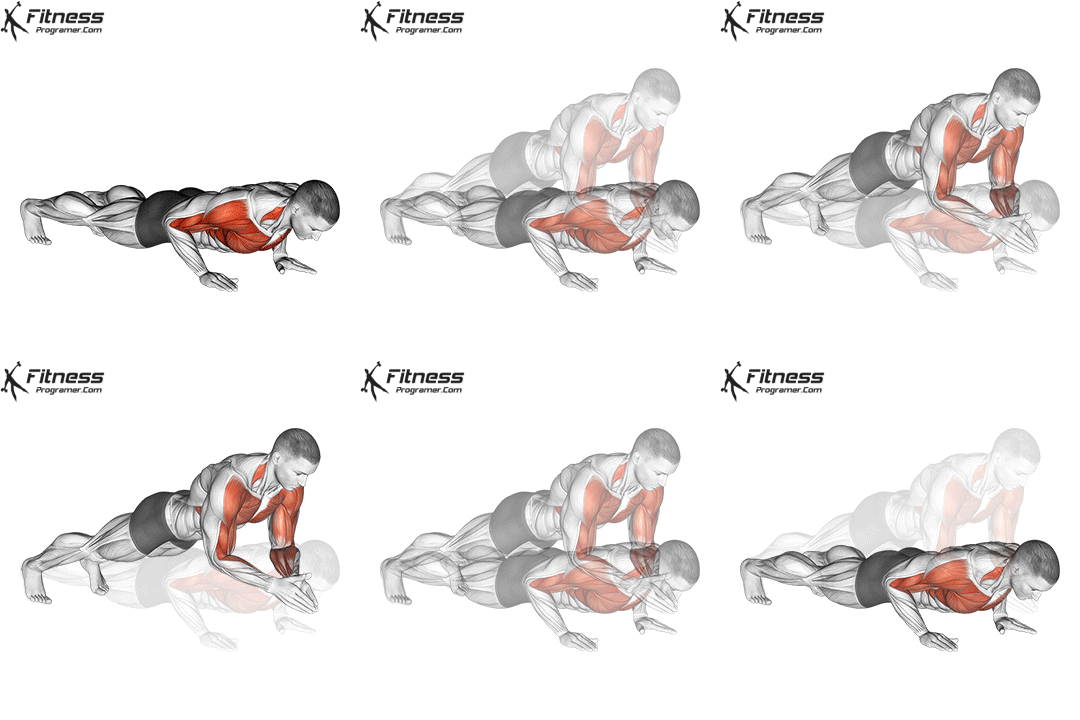
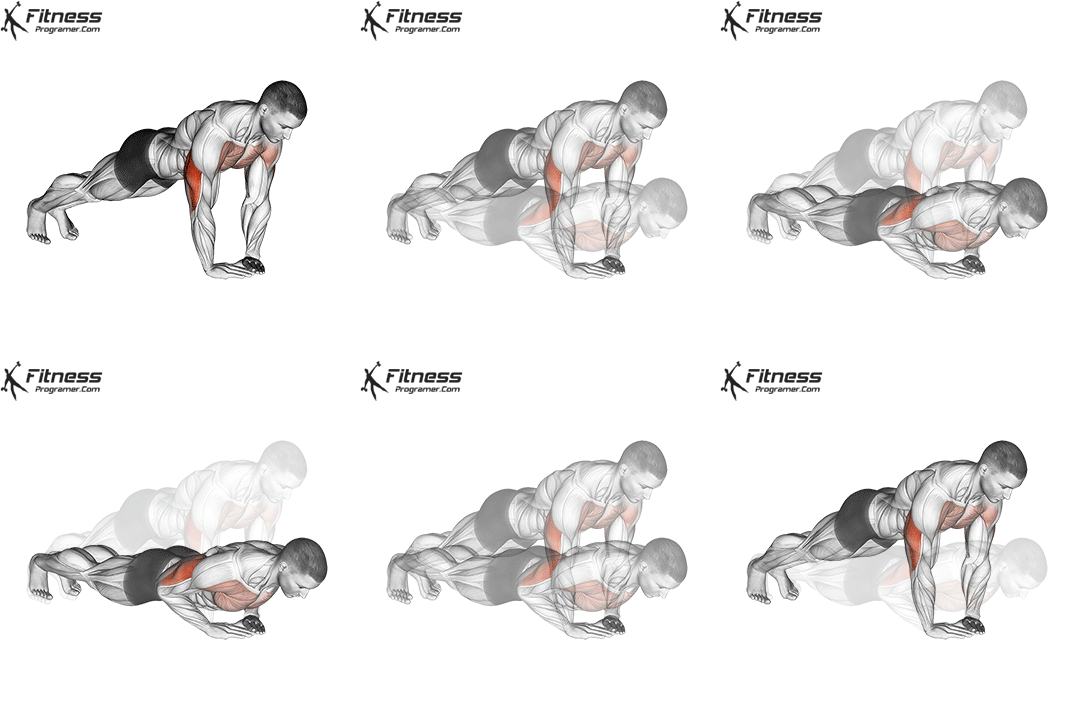
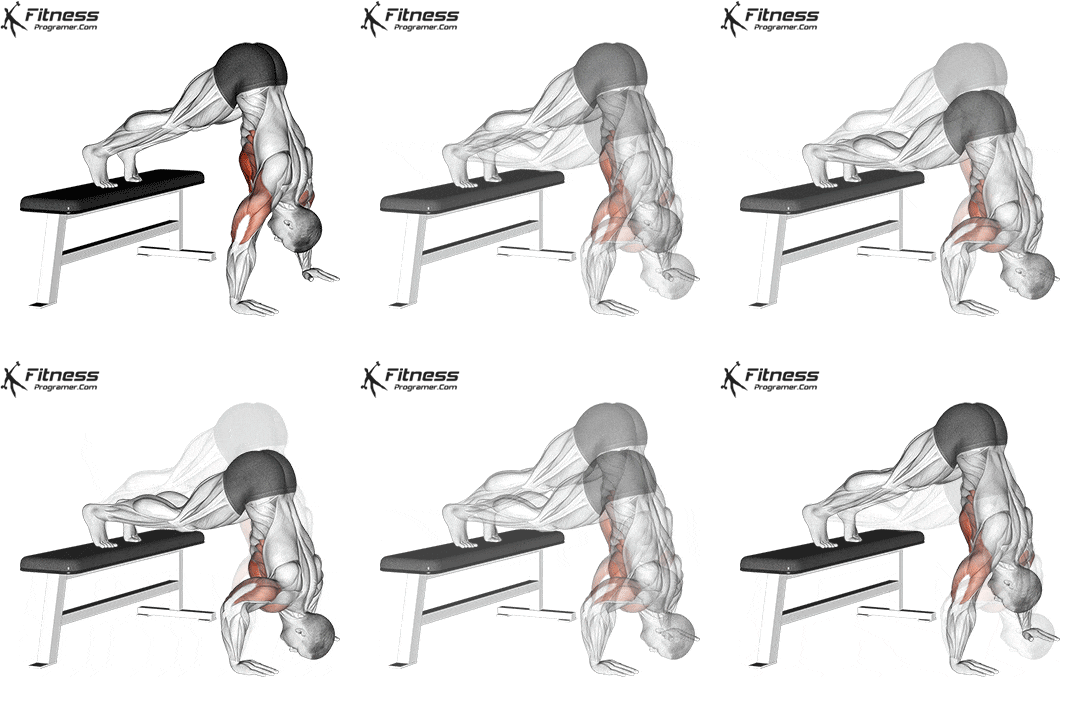
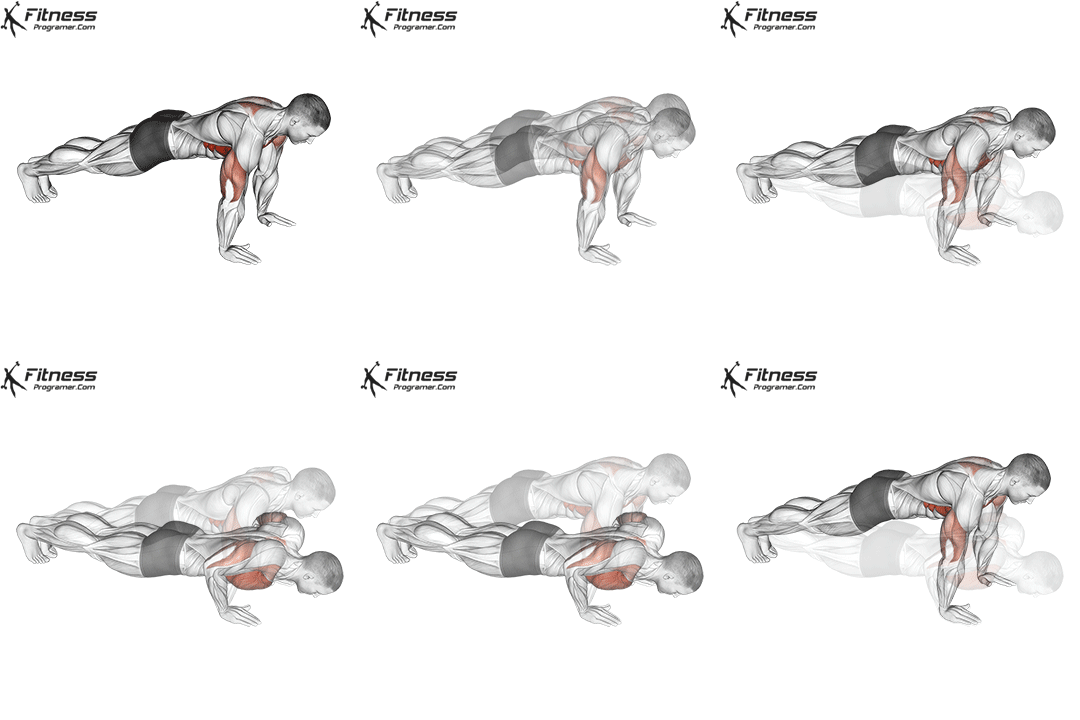
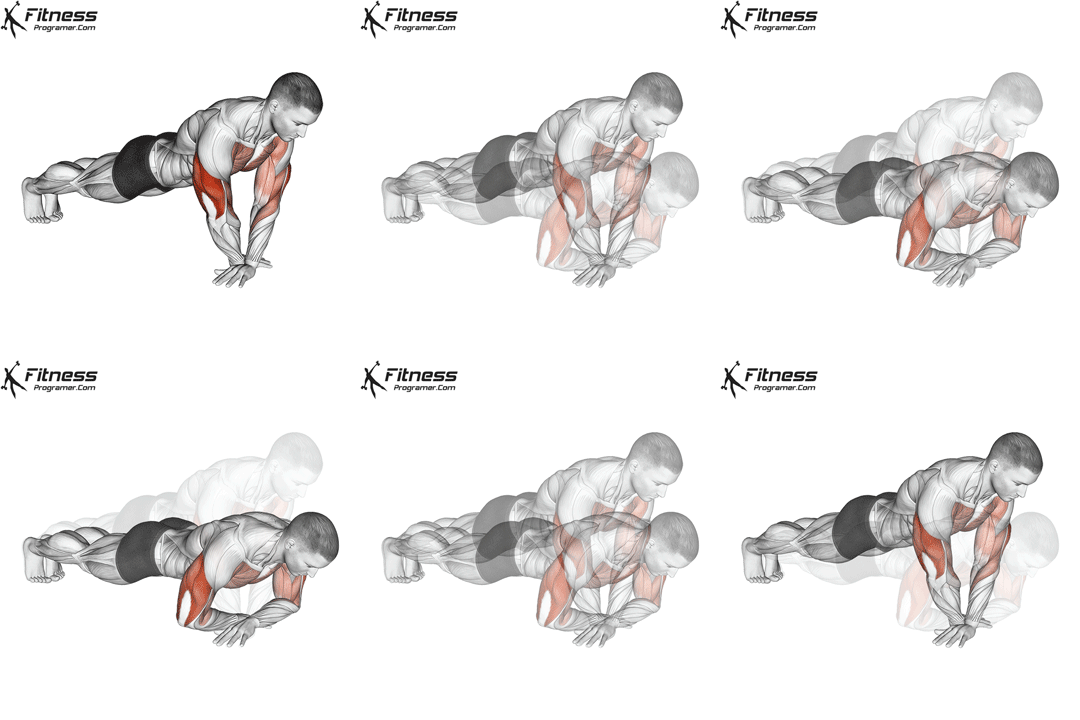
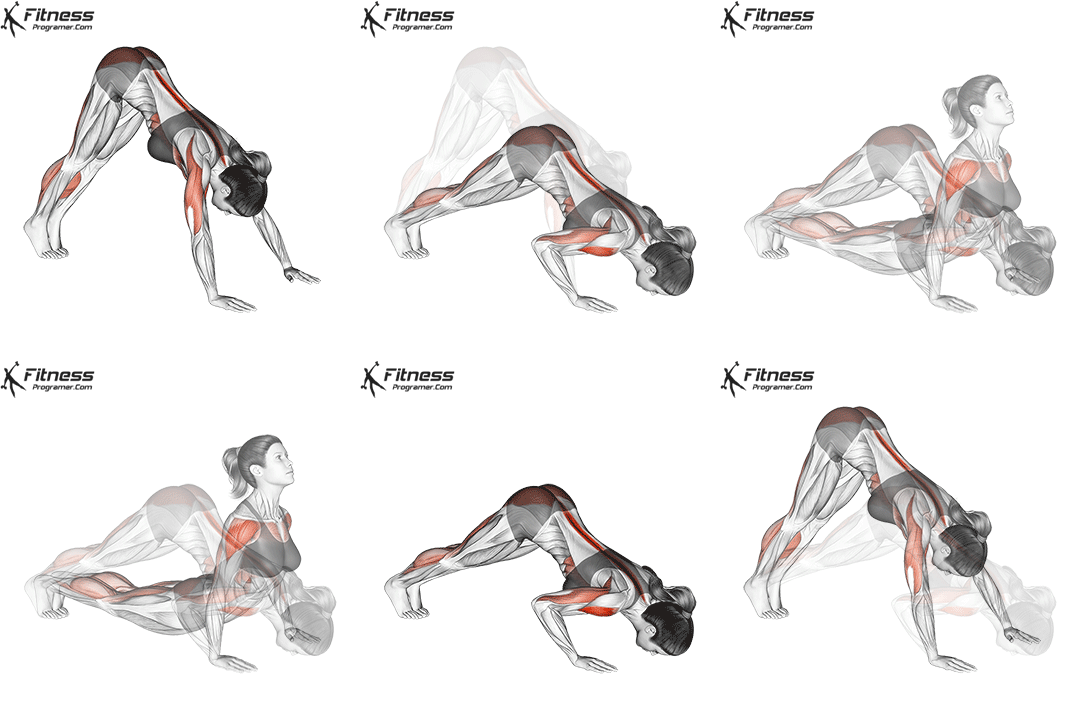
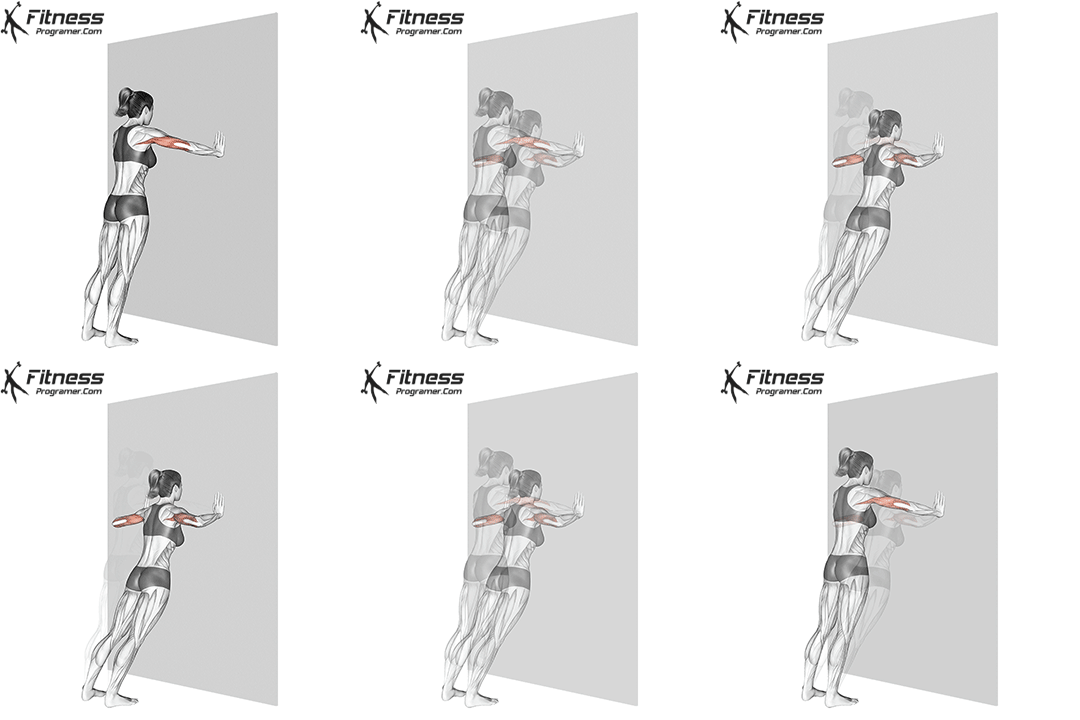
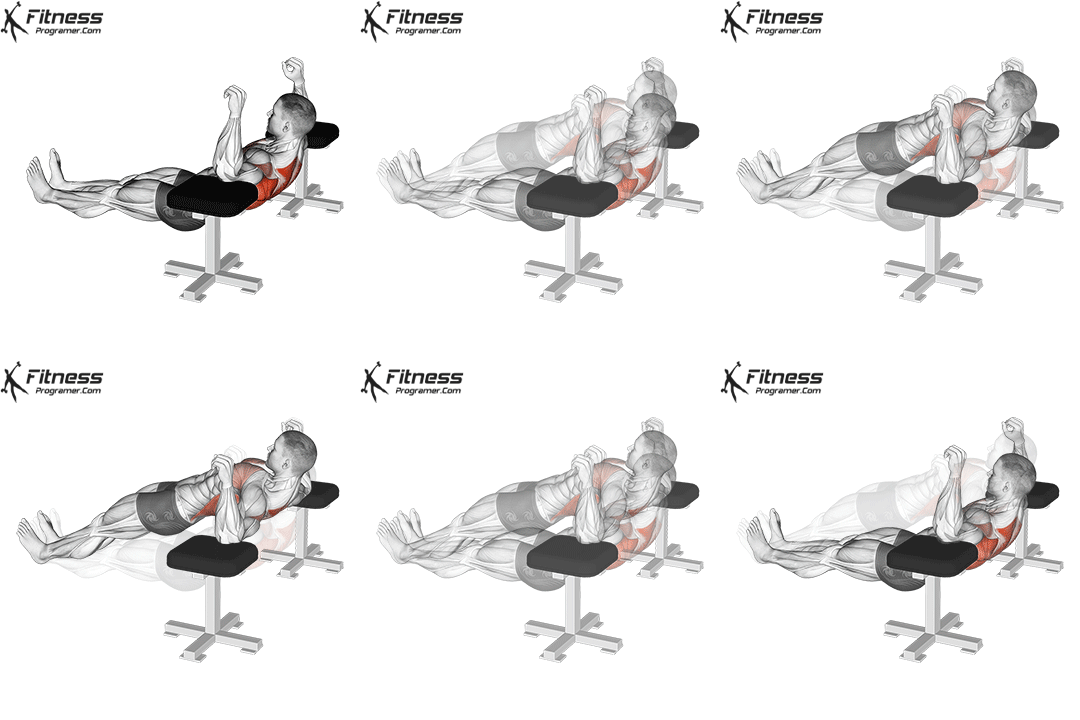
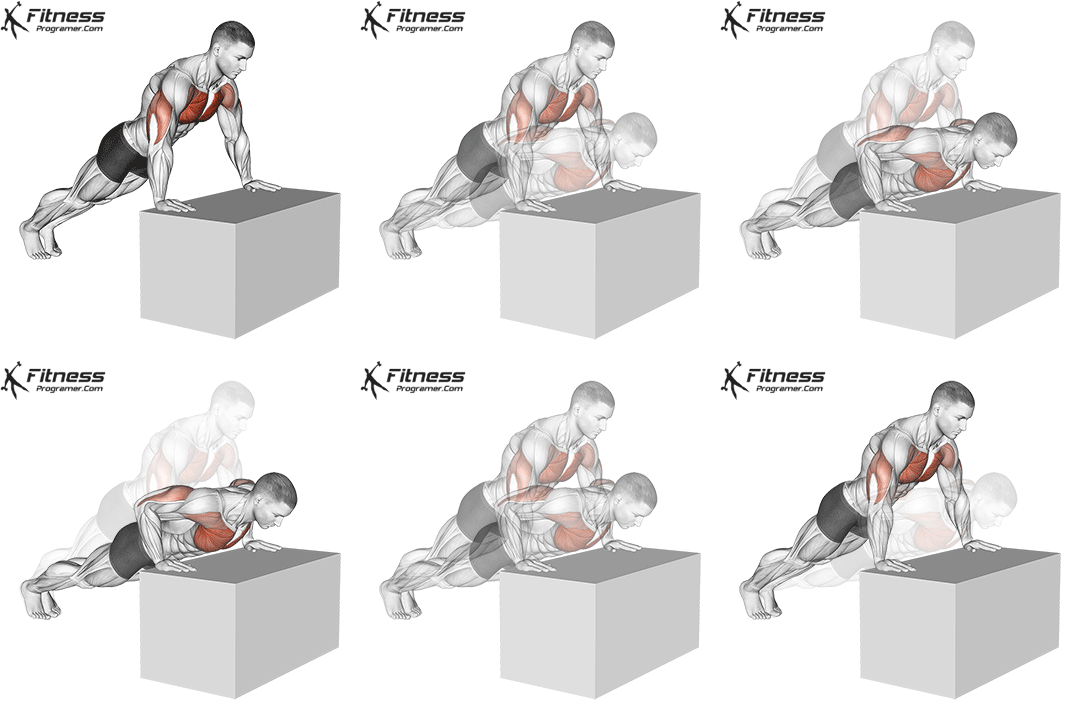
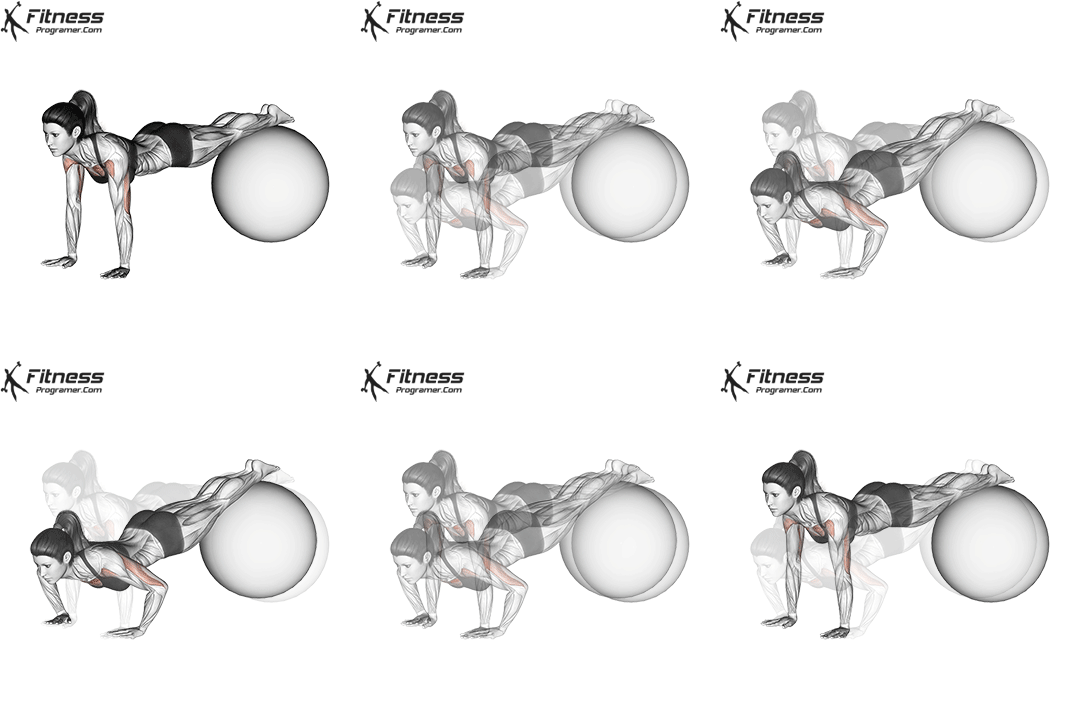
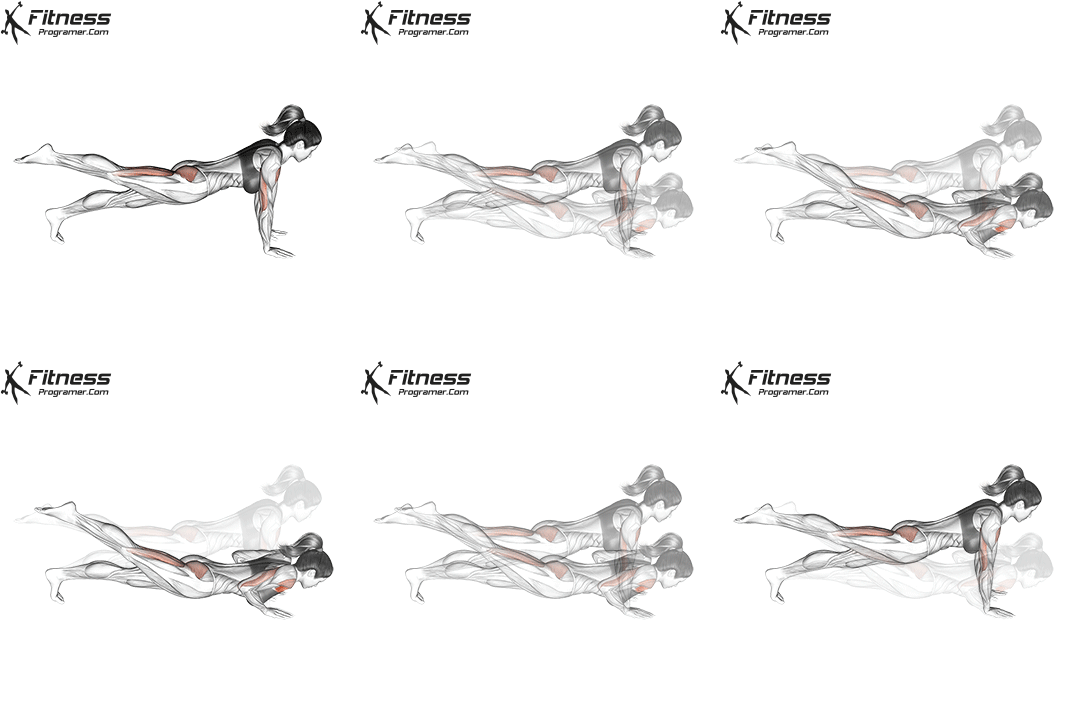
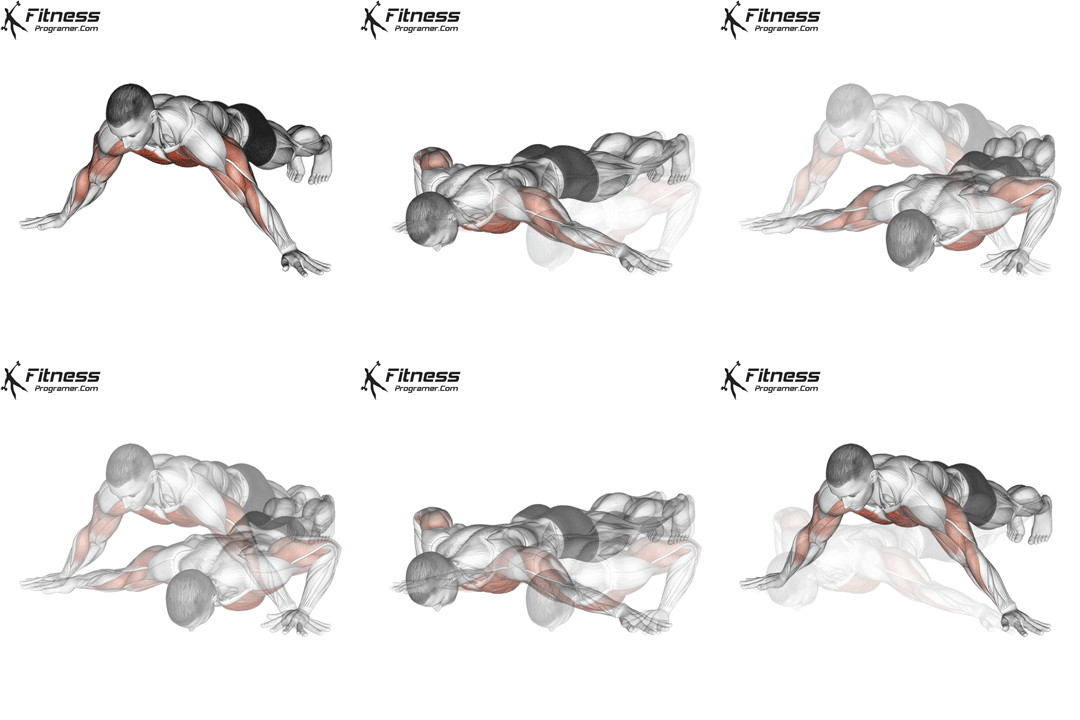
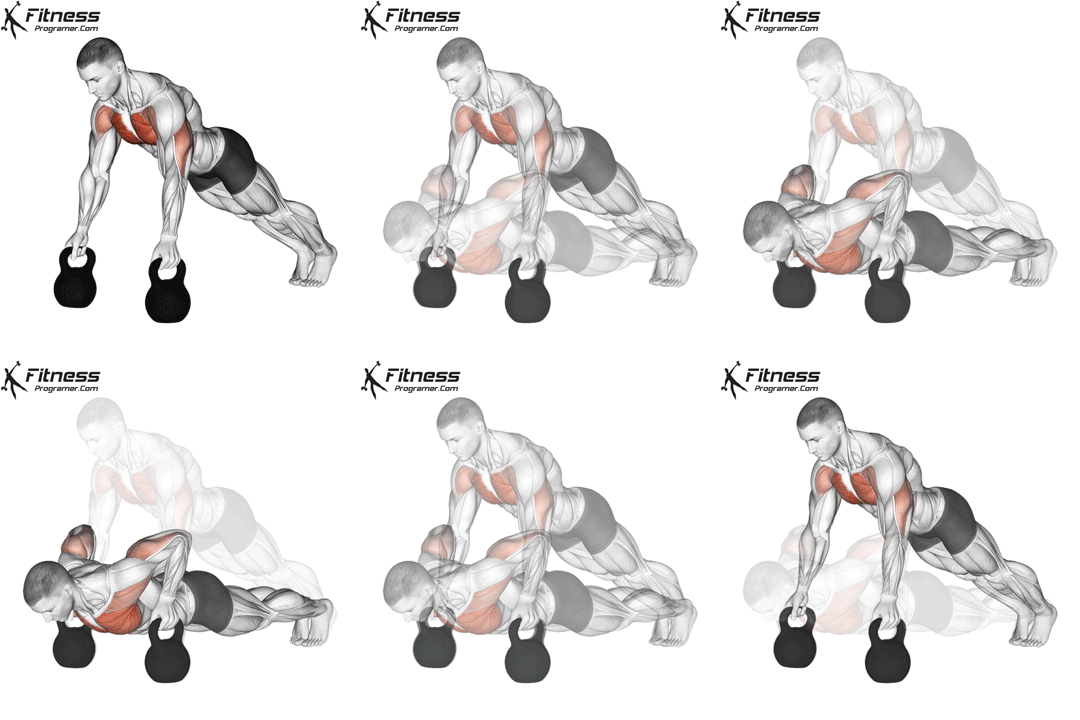
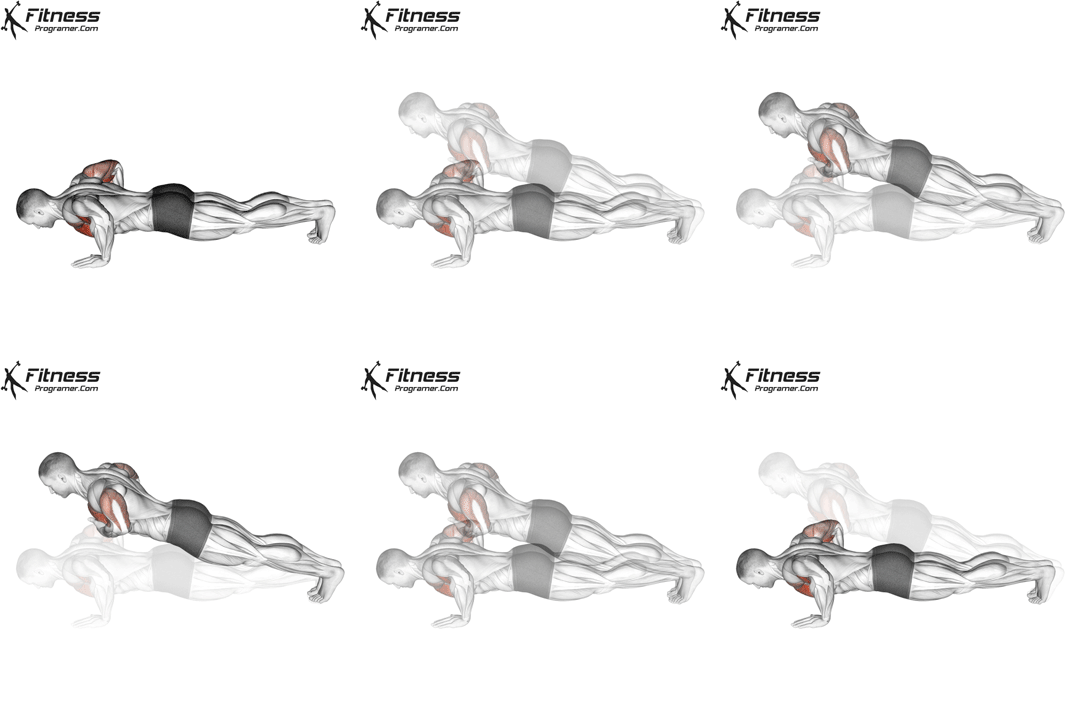
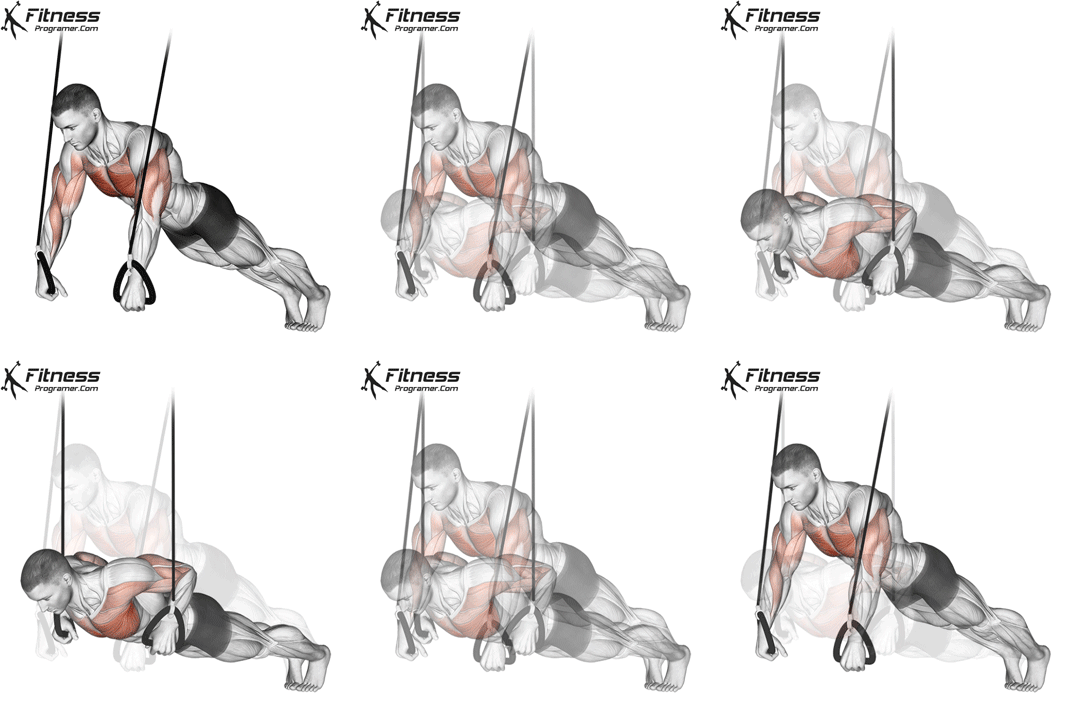
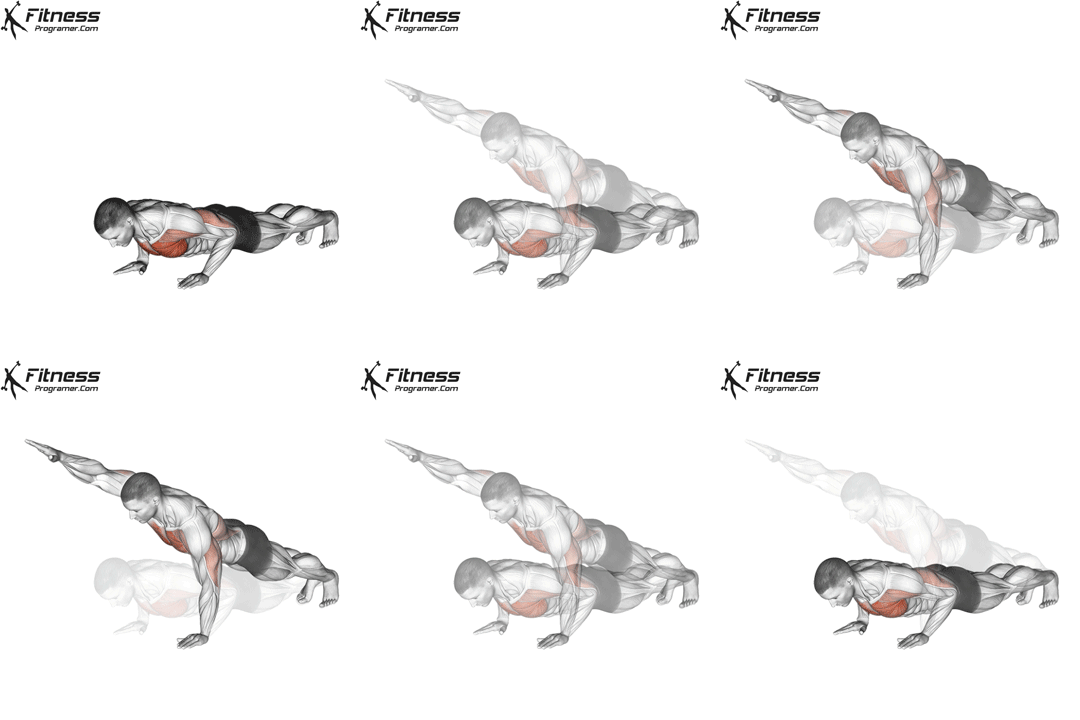
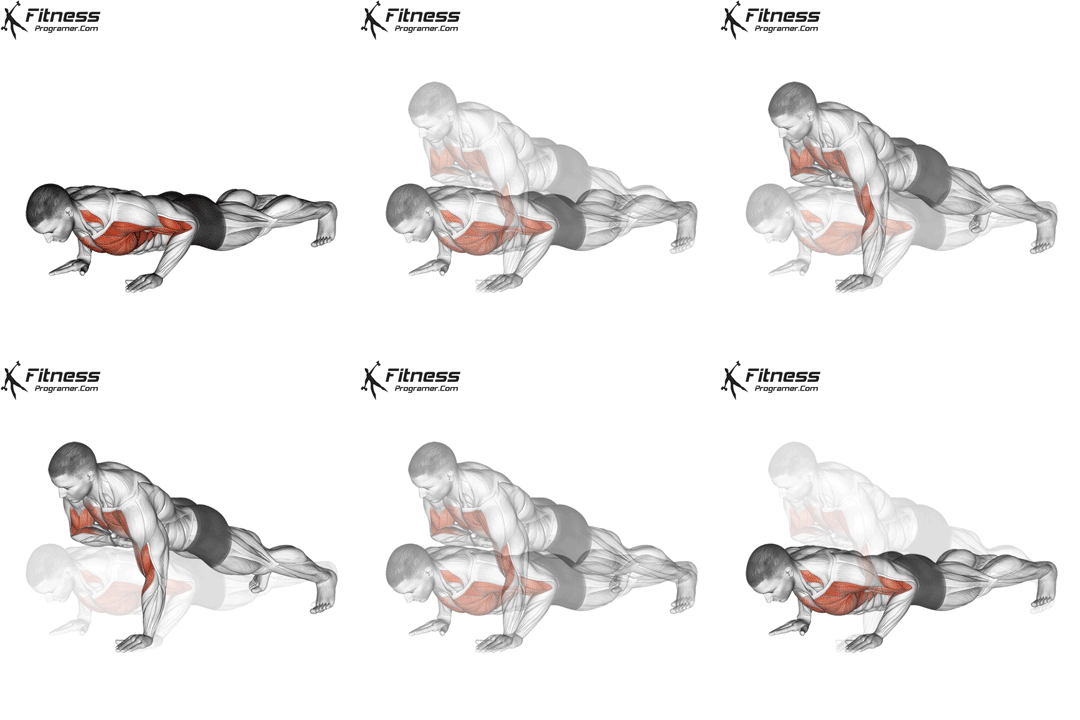
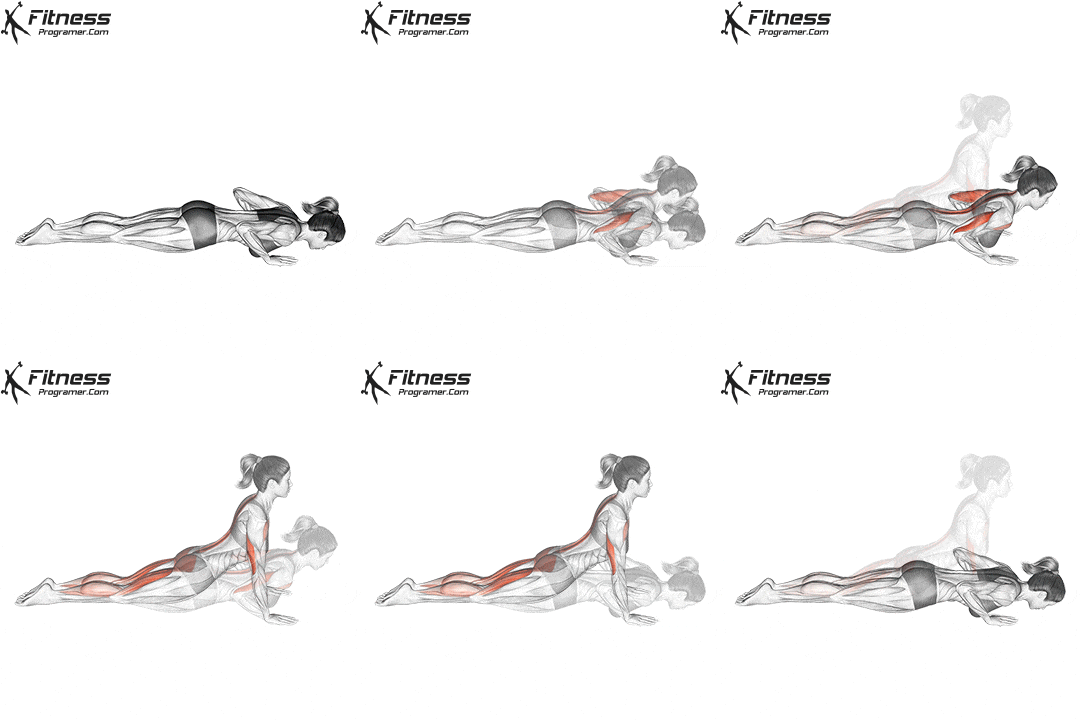
These variation exercises are all effective ways to stimulate and work similar muscle groups that the drop push-up would hit. Try adding these variations of the push-up into your training to keep workout fun and varied.
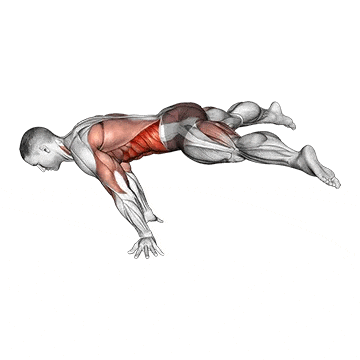
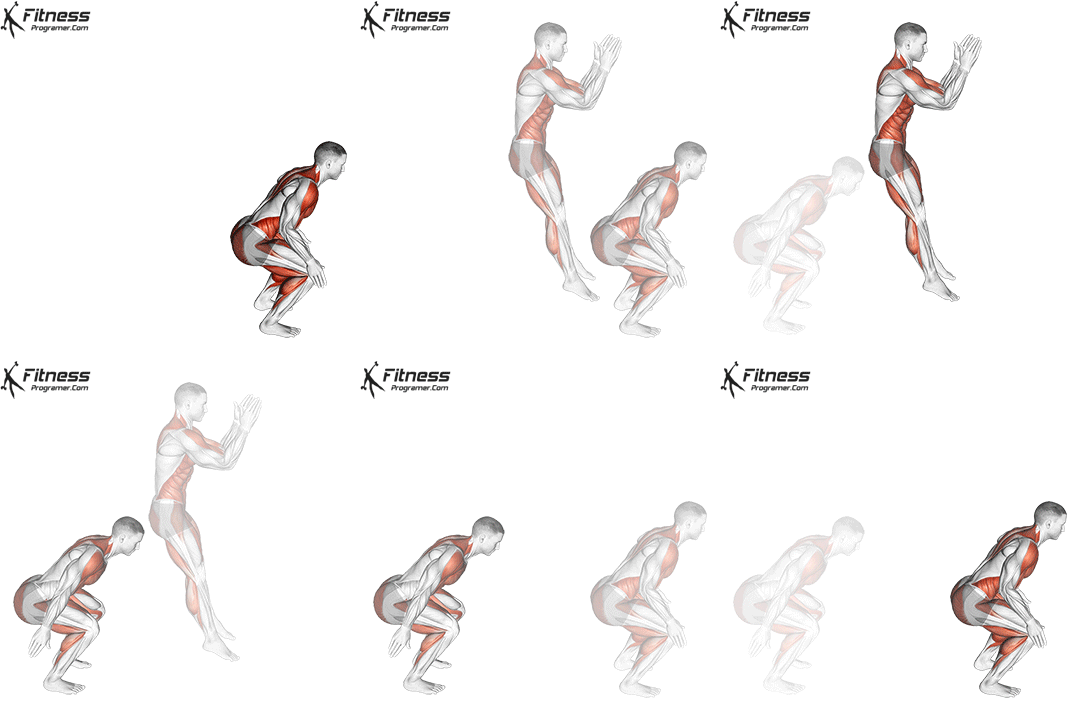
How to Backward Jump
Backward Jump Benefits
- Backward Jump are a plyometric exercise. Plyometrics are explosive aerobic moves that increase speed, quickness, and power and they work your whole body.
- Backward Jump target the abdominal muscles, hip muscles and hip flexors and also work on the thighs, knee tendons and quadriceps.
- Jumps are beneficial to your health because they combine cardiovascular conditioning with strength work. Since jumps elevate your heart rate, they can also improve your cardiovascular fitness.
Muscles Worked in the Backward Jump