
Contents
- The Intersection of Fitness and Fashion
- Why Clothing Matters in Fitness Performance
- Leggings: The Foundation of Modern Fitnesswear
- Stirrup Leggings: Retro Revival Meets Modern Technology
- Building A Performance-Driven Workout Wardrobe
- The Rise of Athleisure: Fitnesswear as Everyday Wear
- Sustainability and Ethical Production in Fitness Fashion
- Finding Your Fitness Style Identity
- How to Choose the Right Fabric for Your Workouts
- The Future of Fitness Apparel: Technology, Customization, and Innovation
- Conclusion
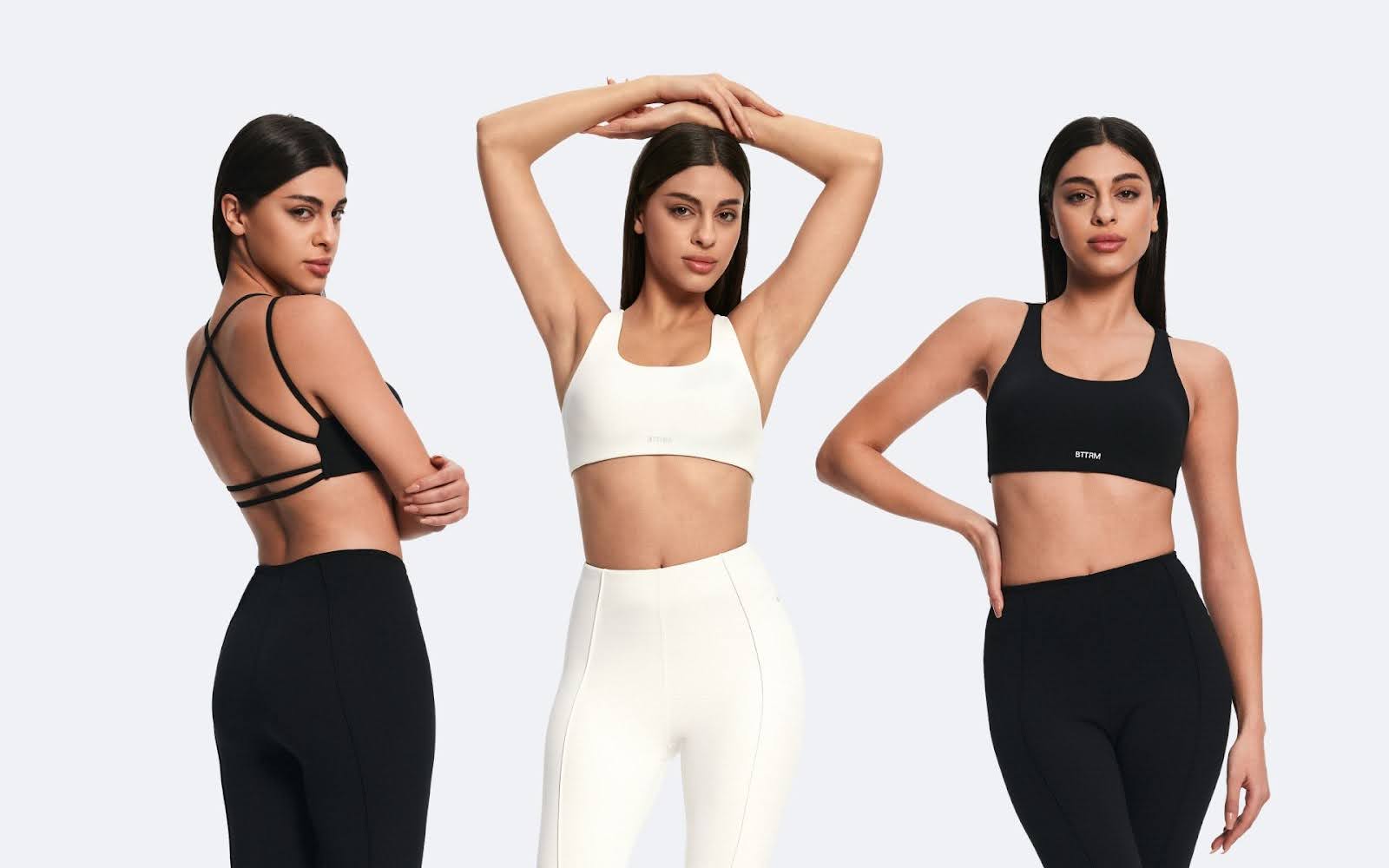
Fitness has become far more than a hobby or even a health requirement—it is a lifestyle, a culture, and for many, a form of self-expression. As the world of wellness has expanded, so has the industry surrounding what we wear while working out. From the earliest cotton sweatpants to today’s sculpting, sweat-wicking, high-performance fabrics, fitness clothing has undergone a remarkable transformation. Today, apparel is not just functional—it is motivational, aesthetic, and often a driving force behind how confidently we move in our bodies.
In this comprehensive exploration, we take a deep dive into the connection between fitness, apparel, technology, and personal style. We examine why what you wear matters, how brands are shaping innovation in sportswear, and how mindful wardrobe choices can elevate your workouts. We also explore styling ideas, lifestyle integrations, and the psychology behind athleisure’s global rise.
The Intersection of Fitness and Fashion
The relationship between fitness and fashion is more intertwined than ever before. In earlier decades, workout clothes served a single purpose: comfort. Whether you were attending an aerobics class or jogging in the park, basic cotton tees, loose shorts, and simple leggings were the default uniform.
However, as fitness diversified into specialties—Pilates, HIIT, barre, cycling, yoga, reformer workouts, and hybrid classes—clothing began evolving to meet these specific movement demands. This sparked the birth of performance fabrics engineered to support the body, regulate temperature, and enhance movement quality.
Today, fitness clothing is an essential performance tool. The right outfit can:
- Support muscle groups
- Reduce friction
- Improve alignment awareness
- Enhance confidence
- Regulate body temperature
- Boost motivation
- Transition effortlessly into daily wear
As social media and influencer culture surged, fitness fashion became a cultural statement. Athleisure now dominates global apparel markets, proving that performance wear is no longer limited to the gym—it’s a lifestyle.
Why Clothing Matters in Fitness Performance
Apparel plays a surprisingly powerful role in optimizing performance. Biomechanics experts and sports psychologists alike highlight the influence of well-designed fitness wear.
Comfort Equals Focus
Ill-fitting clothes distract—rolling waistbands, thin fabrics, or restrictive seams pull attention away from the workout. Conversely, supportive, breathable clothing allows for complete immersion in movement.
Compression Enhances Muscle Efficiency
Many modern leggings and tops incorporate compression technology that:
- Improves blood circulation
- Stabilizes muscles
- Reduces micro-vibrations during movement
- Minimizes fatigue
These subtle enhancements can influence both performance and recovery.
Technical Fabrics Improve Thermoregulation
Sweat-wicking, quick-drying materials keep the body in optimal working condition, preventing overheating or chills. This is particularly crucial for high-intensity training.
Psychological Boost: Enclothed Cognition
Studies in sports psychology suggest that what we wear influences how we perform. This is called enclothed cognition. A well-coordinated outfit can increase motivation, confidence, and perceived capability.
Leggings: The Foundation of Modern Fitnesswear
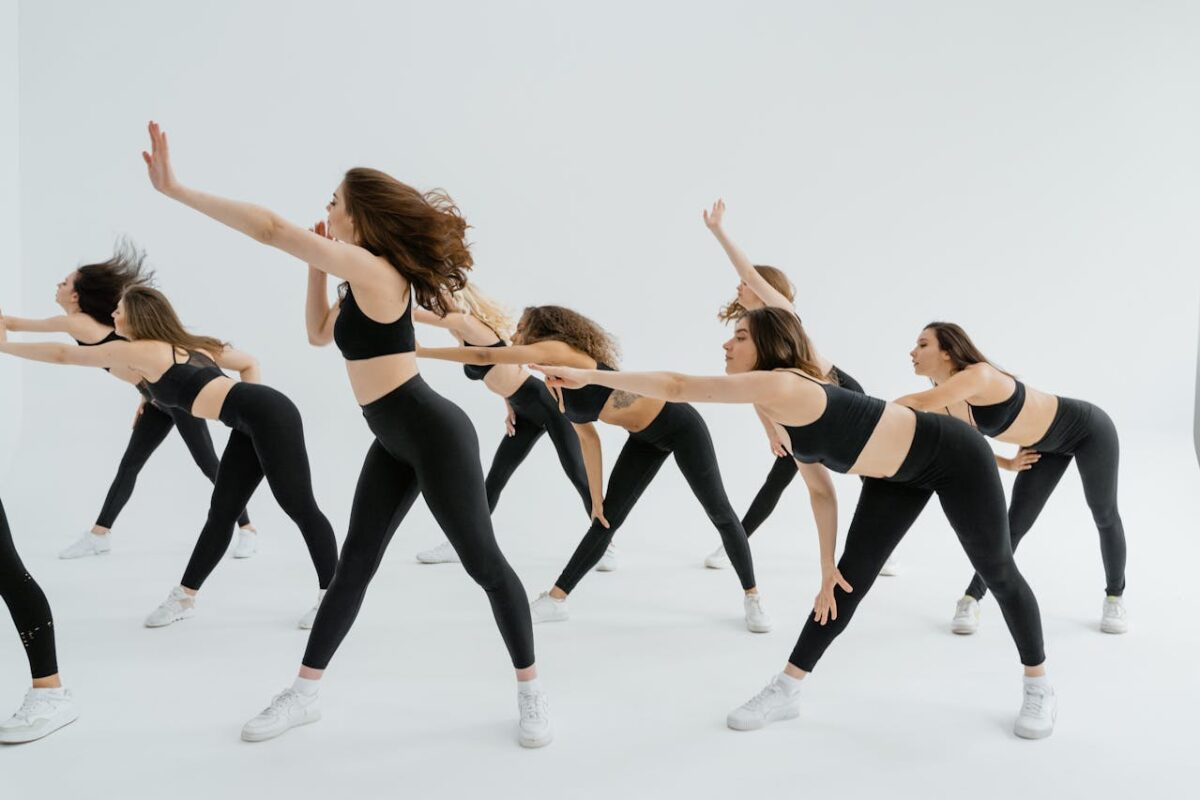
Among all fitness garments, leggings have undoubtedly earned a central place. The modern legging combines functionality, sculpting properties, and aesthetic considerations. From high-rise compression styles to seamless, buttery-soft fabrics, leggings are engineered to feel like a second skin.
High-Rise Designs for Core Support
High-waist leggings offer abdominal support, smooth the midsection, and provide secure coverage during dynamic movements—from Pilates roll-ups to squats. They help practitioners maintain better alignment and confidence throughout the session.
Fabric Innovation: Sculpting and Flexibility
Brands now focus intensively on sculpting fabrics that contour the body while allowing full range of motion. Four-way stretch, seamless panels, and rich opacity ensure leggings perform under pressure.
Specialized Features for Specific Modalities
- Barre and Pilates: Grip stirrups, compressive fabrics, sleek silhouettes
- Yoga: Stretchy, soft, breathable materials
- Running: Sweat-resistant, reflective details, phone pockets
- Strength Training: Durable, squat-proof fabrics
One style that has particularly risen in popularity is the stirrup legging, celebrated for its studio-ready look and functional foot straps.
Stirrup Leggings: Retro Revival Meets Modern Technology
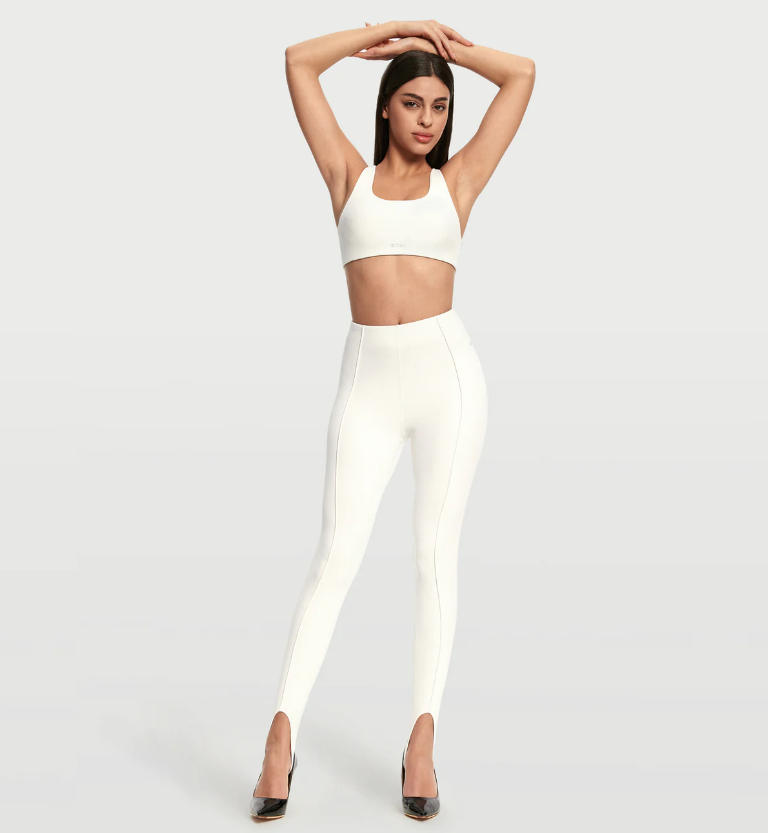
Stirrup leggings were once associated with 1980s at-home workouts and dance classes. Today, they have resurfaced as a chic, fashion-forward option for Pilates, barre, and even streetwear styling.
Their defining feature—the stirrup strap—anchors the leggings in place, preventing hem roll-up during stretching or high-leg movements. This offers both practicality and an elongated silhouette.
For example, the High-Rise Stirrup Leggings in white offer that classic clean look with stirrup-style foot straps, sculpting fabric, and tummy control—perfect for standing out in class.
Easy outfit formulas:
- Stirrup leggings + fitted tank + oversized hoodie
- Stirrup leggings + longline bra + lightweight trench or coat
- Stirrup leggings + half-tucked button-down + sneakers or slides
Footwear: barefoot, grip socks, minimal sneakers, or casual flats—all work.
To explore the full leggings collection, you can check it out here.
Building A Performance-Driven Workout Wardrobe
A functional fitness wardrobe should support your training goals and make you feel empowered. This section breaks down the essential pieces every active individual benefits from.
Leggings and Shorts
Your foundational bottoms should include:
- High-rise leggings for core support
- Breathable shorts for high-intensity workouts
- Sculpting leggings for low-impact classes
- Specialty items like stirrup leggings or flared yoga pants
Sports Bras
Support levels matter. Consider owning:
- Low-impact bras (yoga, Pilates)
- Medium-impact bras (strength, dance)
- High-impact bras (running, HIIT)
Straps, band elasticity, and moisture-wicking materials largely determine comfort.
Tops and Layers
Workout tops have evolved to combine style with function:
- Fitted tanks for movement visibility
- Cropped tees for breathability
- Longline bras for a minimalist outfit
- Light jackets or bomber layers for outdoor sessions
Accessories
Sometimes the small details transform a workout:
- Grip socks for reformer or barre
- Training gloves for weightlifting
- Hair accessories that stay in place
- Sweatbands for outdoor workouts
- Minimalist sneakers or slides for transitions
Each piece contributes to a wardrobe that flows seamlessly from gym to street.
The Rise of Athleisure: Fitnesswear as Everyday Wear
Athleisure is no longer a trend—it’s a global fashion category. Modern consumers want clothing that transitions effortlessly across environments: home, gym, errands, work, and social outings.
Why Athleisure Dominates
- Comfort-first culture
The pandemic accelerated the desire for flexible, soft, performance-driven clothing. - Versatility
Leggings, hoodies, and longline bras can be styled in countless ways. - Minimalist Aesthetic
Streamlined silhouettes are easy to pair and easy to maintain. - Health and Wellness Influence
As society prioritizes physical and mental wellness, activewear has become symbolic of an aspirational lifestyle.
Athleisure aligns with the modern consumer’s need for functionality without sacrificing fashion.
Sustainability and Ethical Production in Fitness Fashion
As consumers become more eco-conscious, brands face increasing pressure to reduce environmental impact. The fitness apparel industry has responded with:
Recycled Fabrics
Bottles, fishing nets, and textile waste are transformed into performance materials like nylon and polyester.
Low-Impact Dyeing
Water-saving dye processes reduce contamination and resource use.
Ethical Manufacturing
Fair labor practices and workplace safety standards are prioritized by responsible brands.
Durability
Higher-quality pieces reduce long-term consumption—an eco-friendly approach that encourages mindful purchasing.
By choosing sustainable fitness wear, consumers directly contribute to environmental preservation while enjoying premium performance textiles.
Finding Your Fitness Style Identity
Fitness style is deeply personal. Some prefer sleek and monochromatic looks, while others love bold colors, prints, and expressive designs. Understanding your preferences helps build a cohesive wardrobe.
Minimalist Aesthetics
Think neutrals, sculpting silhouettes, and elevated basics.
Sporty Chic
A mix of athletic elements with modern streetwear—cropped hoodies, high-rise leggings, sleek sneakers.
Studio Elegance
Soft tones, ballet-inspired pieces, stirrup leggings, ribbed fabrics, lightweight layers.
Bold and Expressive
Bright colors, patterned leggings, statement accessories.
Your fitness style evolves with your training habits, lifestyle preferences, and personal fashion journey.
How to Choose the Right Fabric for Your Workouts
Fabric selection is one of the most important aspects of workout comfort. Here’s a breakdown of performance material characteristics:
Nylon
- Strong, flexible, and durable
- Excellent moisture-wicking properties
Perfect for high-intensity or dynamic workouts.
Polyester
- Lightweight and quick-drying
- Resistant to shrinking and wrinkles
Ideal for runners or outdoor activity enthusiasts.
Spandex (Elastane)
- Provides stretch
- Ensures shape retention
Essential for leggings and bras that require elasticity.
Cotton Blends
- Soft and breathable
- Not as effective at moisture-wicking
Good for low-sweat activities.
Ribbed Knits
- Stylish with natural compression
- Popular for seamless sets and athleisure outfits
Choosing the right fabric significantly influences overall comfort and performance.
The Future of Fitness Apparel: Technology, Customization, and Innovation
The future of fitness fashion is bright—and highly technological. Upcoming innovations include:
Smart Clothing
Garments equipped with sensors to monitor heart rate, posture, or muscle engagement.
AI-Based Fit Customization
Brands are beginning to use body-scanning technology to create personalized size recommendations or custom-fitted garments.
New Fabric Technologies
Expect:
- Temperature-regulating fibers
- Anti-odor antimicrobial coatings
- Ultra-light compression materials
Gender-Neutral Design
More labels are expanding sizing and creating inclusive silhouettes for all bodies.
The next decade will redefine what activewear can do—and how it integrates into our daily lives.
Conclusion
Fitness apparel is no longer just what we wear to the gym—it is an extension of identity, performance, and lifestyle. Selecting the right pieces helps us move better, feel better, and express our personal style with confidence. Whether it’s the supportive structure of high-rise leggings, the chic minimalism of a longline bra, or the versatility of athleisure staples, apparel plays a powerful role in transforming both our workouts and our daily routines.
Stirrup leggings, sculpting fabrics, and innovative outfit formulas allow modern fitness enthusiasts to blend function with fashion seamlessly. As we move toward more sustainable practices and technological advancements, fitnesswear will only continue to elevate how we train and live.
A strong fitness wardrobe is more than clothing—it is motivation, identity, and a foundation for every movement forward.