
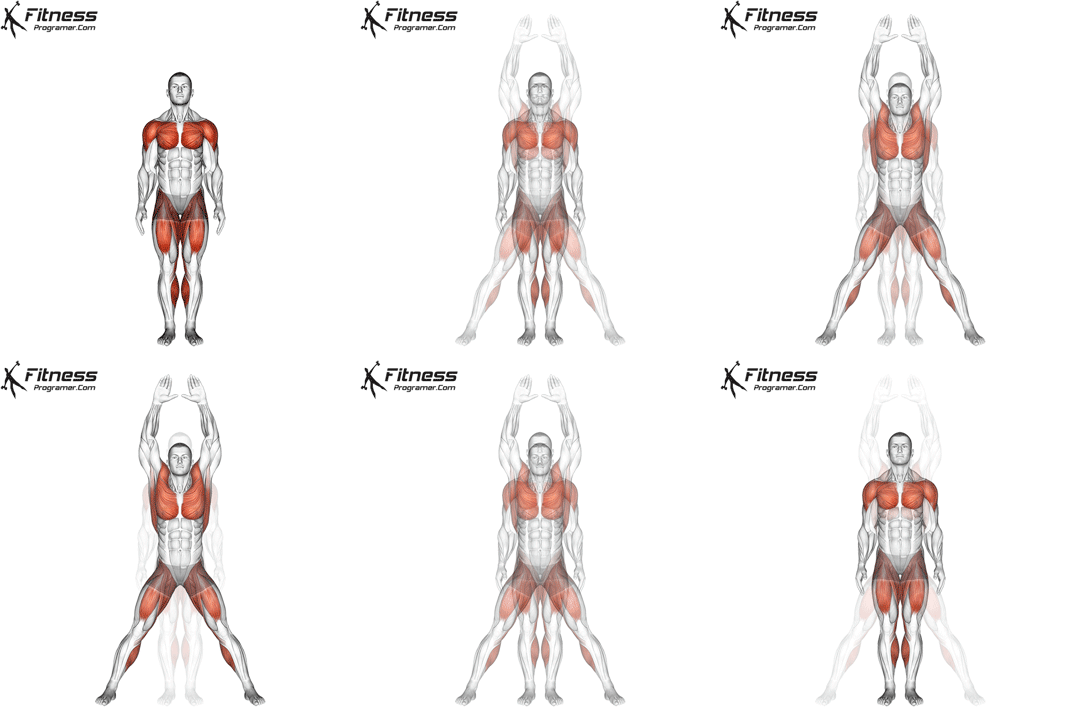
How to Jumping jack
Jumping jack Benefits
- Jumping jack are a plyometric exercise. Plyometrics are explosive aerobic moves that increase speed, quickness, and power and they work your whole body.
- Jumping jack target the arm, shoulder, abdominal muscles, hip muscles and hip flexors and also work on the thighs, knee tendons and quadriceps.
- Jumps are beneficial to your health because they combine cardiovascular conditioning with strength work. Since jumps elevate your heart rate, they can also improve your cardiovascular fitness.
Muscles Worked in the Jumping jack
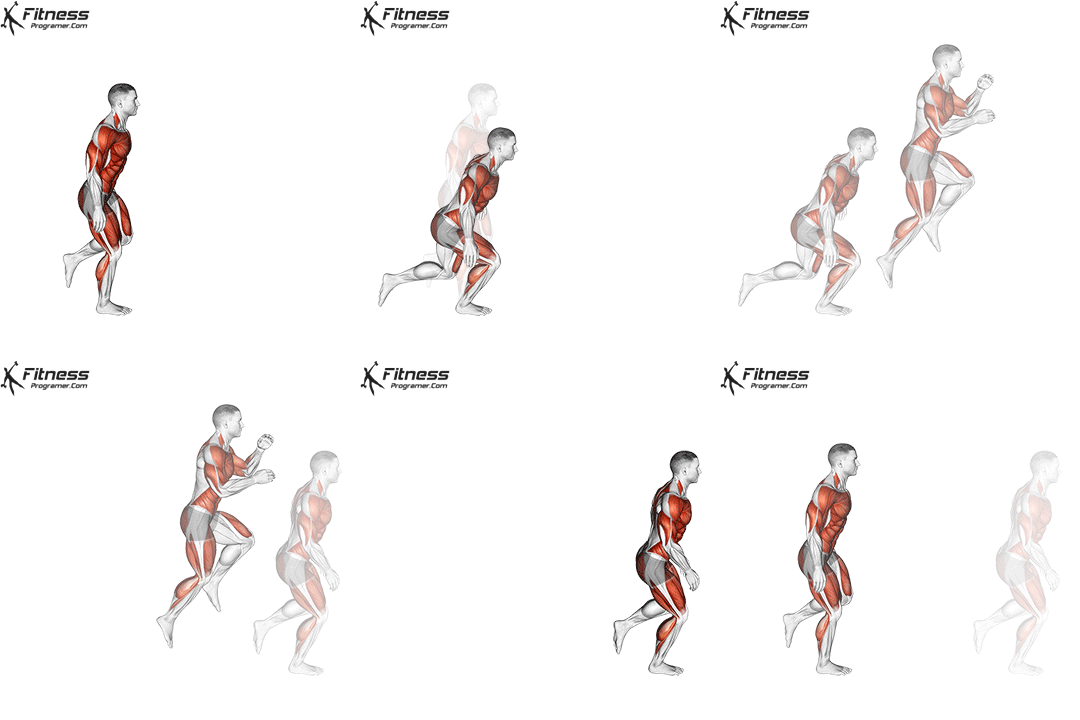
How to Single Leg Broad Jump
Single Leg Broad Jump Benefits
- Jump are a plyometric exercise. Plyometrics are explosive aerobic moves that increase speed, quickness, and power and they work your whole body.
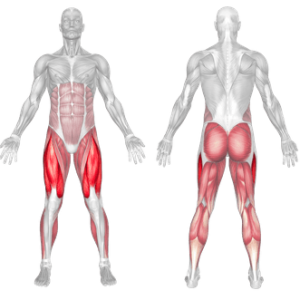
- Jump target the abdominal muscles, hip muscles and hip flexors and also work on the thighs, knee tendons and quadriceps.
- Jumps are beneficial to your health because they combine cardiovascular conditioning with strength work. Since jumps elevate your heart rate, they can also improve your cardiovascular fitness.
Muscles Worked in the Single Leg Broad Jump
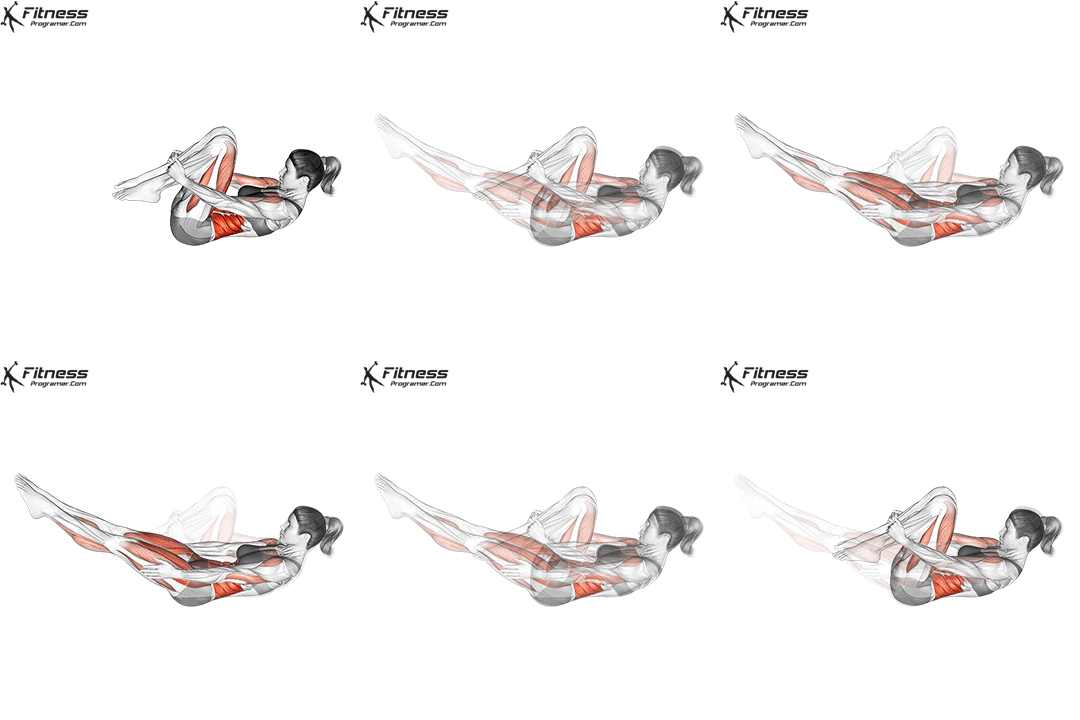
How to Double Leg Stretch
Double Leg Stretch Benefits
- It targets the lower and upper abdominal muscles at the same time: The double leg stretch exercise targets the rectus abdominus and oblique muscles, so that the upper and lower abdominal muscles develop simultaneously.
Muscles Worked in The Double Leg Stretch
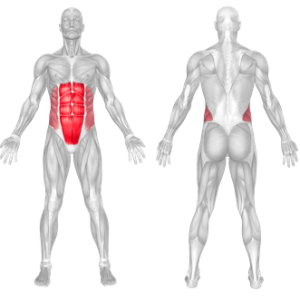
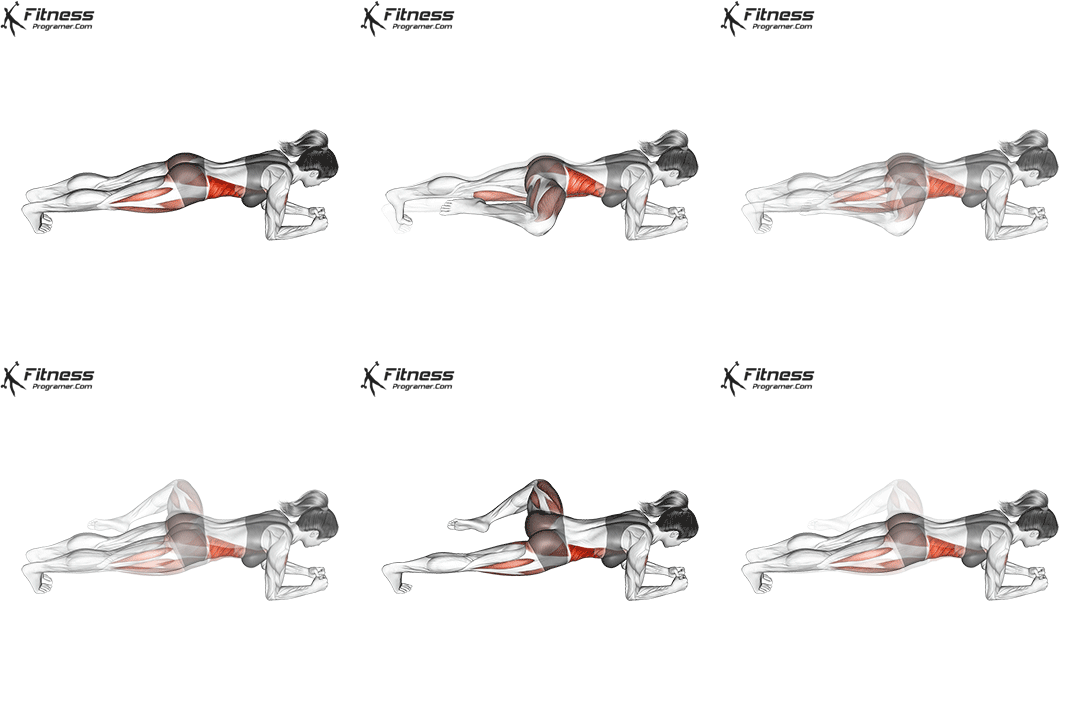
How to Spider Plank
Spider Plank Benefits
- Spider Plank is a high-intensity abdominal workout that works your core muscles. In addition to being beneficial for firming and strengthening, it can improve your posture and balance, reduce body fat and help speed up your metabolism.
- It is also an effective exercise that increases stability in the core, spine and hip areas by providing an isometric contraction. You can add it to your workouts to shape and strengthen your hip, belly, and leg muscles.
Muscles Worked in Spider Plank
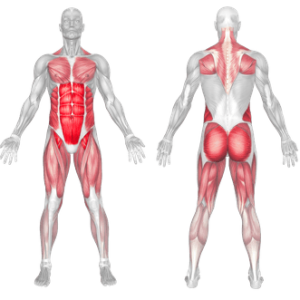
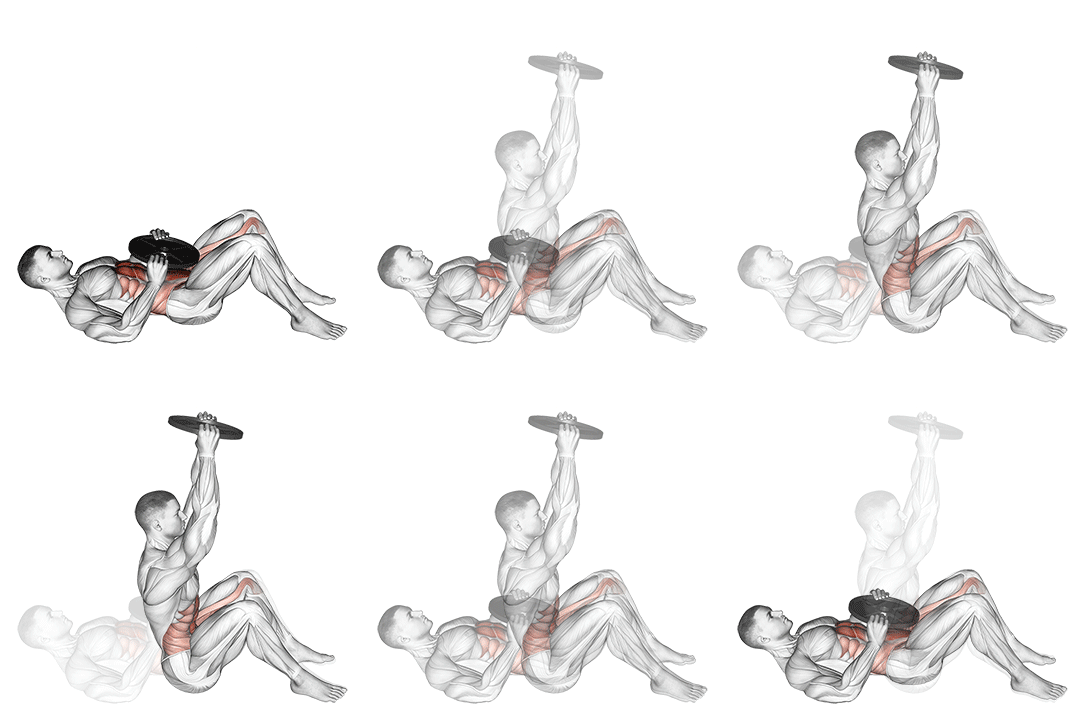
How to Weighted Sit-ups
Weighted Sit-ups Benefits
- The Weighted sit-ups movement is an advanced exercise applied with the help of a weight to shape, tighten and strengthen the abdominal muscles. In this exercise you do with weight, you can have more interaction on the sixpack muscles.
Muscles Worked in The Weighted Sit-ups
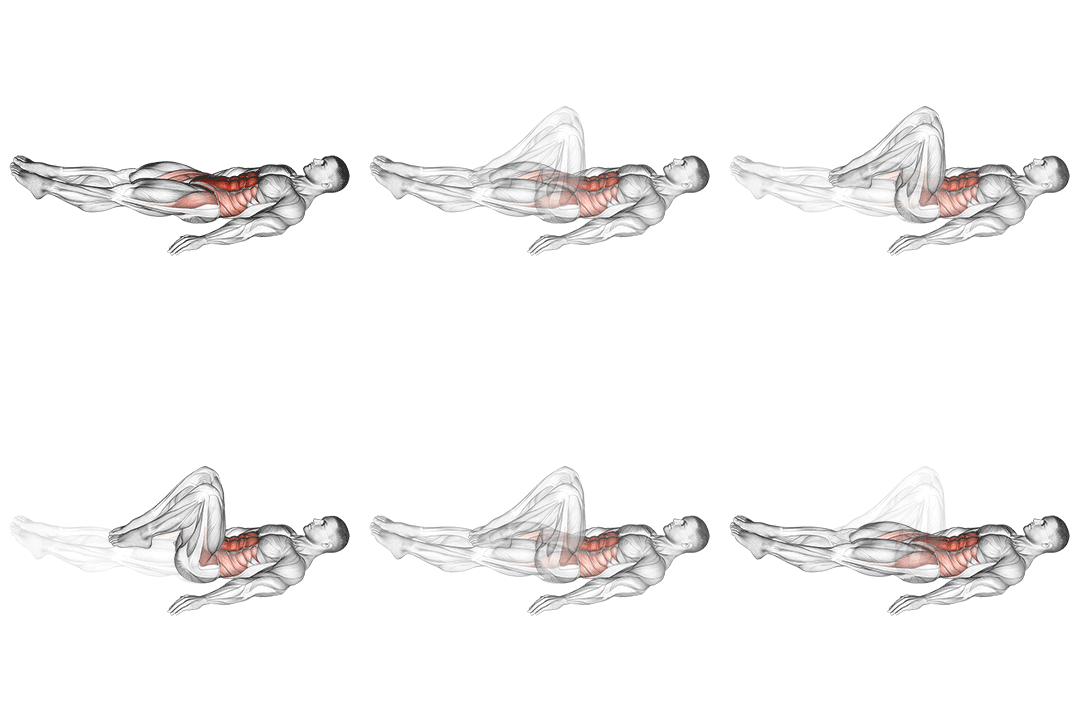
How to Lying Knee Raise
Lying Knee Raise Benefits
- With this exercise that you can easily do on the ground, you can focus more on the lower abdominal muscles and accelerate the fat loss and tightening process.
Muscles Worked in The Lying Knee Raise
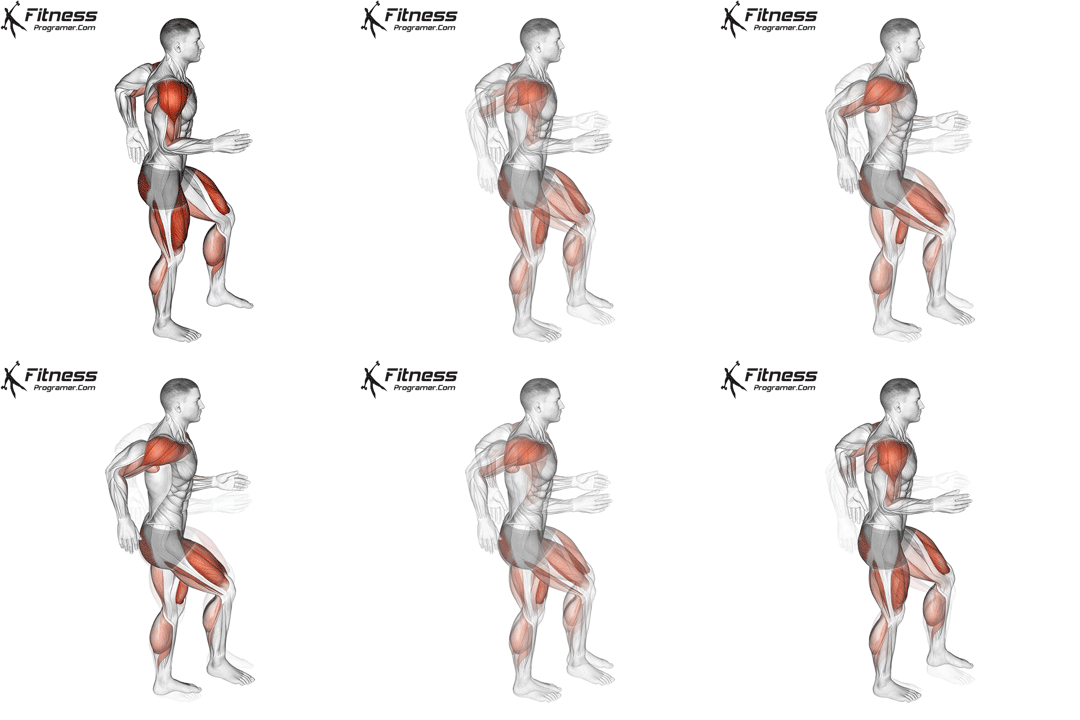
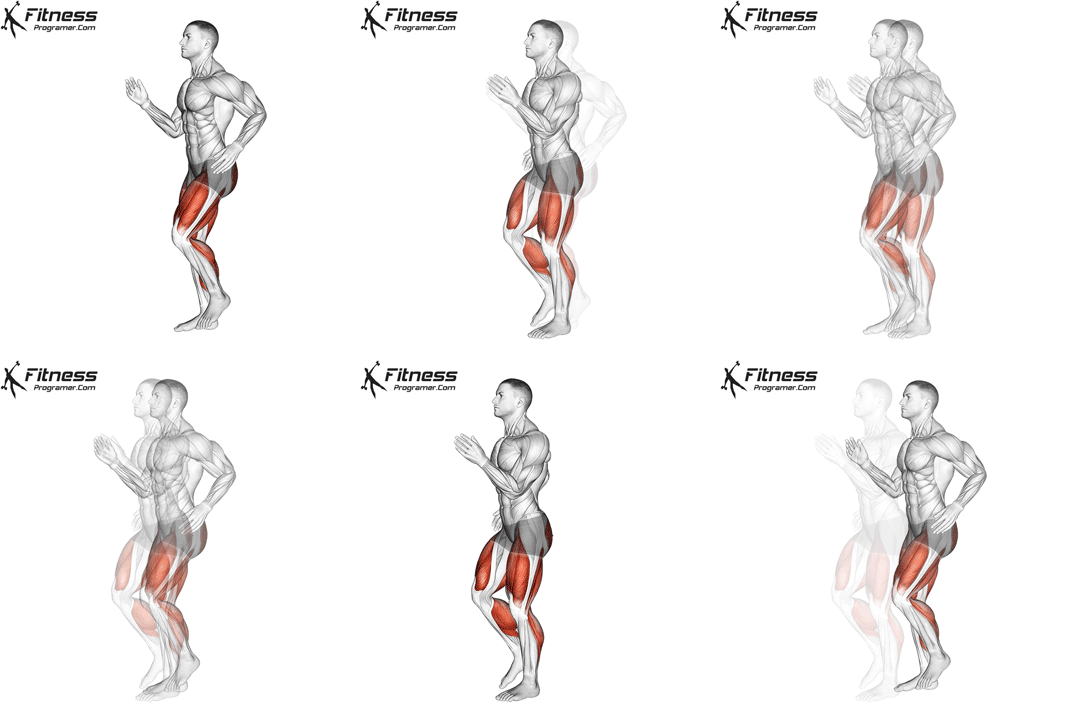
Run in Place
Overview
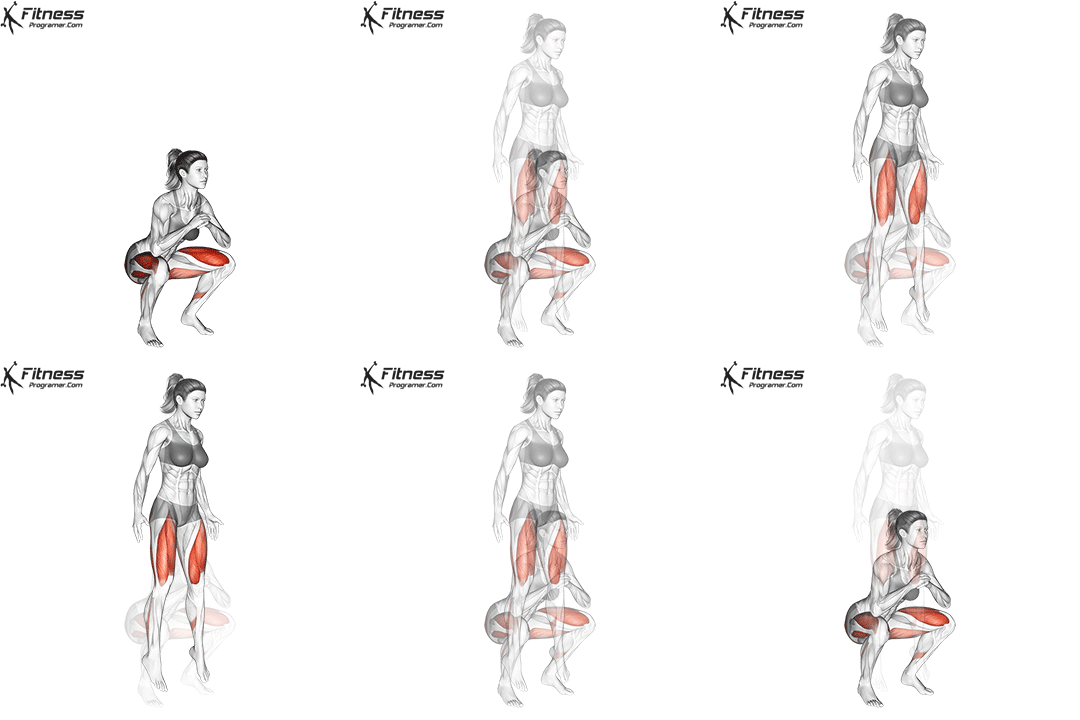
The jump squat is a high-intensity bodyweight movement that targets the legs and glutes through an explosive upward jump from a squat position. It develops lower-body power, strengthens fast-twitch muscle fibers, and increases vertical jump capacity. It is often used in sports conditioning, functional training, plyometric and high-intensity workouts.
How to do Perform Jump Squat
Stand tall with your feet shoulder-width apart and arms at your sides.
Lower into a squat by bending your knees and hips until your thighs are parallel to the floor.
Explode upward, jumping as high as you can while swinging your arms for momentum.
Land softly by bending your knees and absorbing the impact through your legs.
Reset immediately into your next squat and repeat for the desired reps.
Tips for Proper Form
Land softly with bent knees to protect your joints.
Keep your chest up and core braced during both the squat and jump.
Drive through your heels to generate force from your glutes and quads.
Avoid letting your knees collapse inward during takeoff or landing.
Maintain a rhythm, but prioritize control over speed.
Common Mistakes
Landing stiff-legged, which can strain the knees and ankles.
Letting the chest drop, leading to poor posture and reduced jump height.
Not squatting deep enough, minimizing lower-body engagement.
Failing to reset between reps, leading to sloppy execution.
Using too much arm swing, rather than generating power through the legs.
Benefits of the Jump Squat
Builds Explosive Power: The jumping motion trains fast-twitch muscle fibers for greater athletic output and vertical leap.
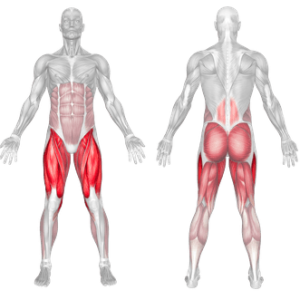
Increases Lower Body Strength: Jump squats activate the quads, glutes, hamstrings, and calves under load.
Improves Cardiovascular Fitness: Performed in high-rep sets, this movement elevates heart rate and builds endurance.
Boosts Athletic Performance:It increases performance and improves agility in sports that require running, jumping, or quick changes of direction.
Enhances Coordination and Balance: Landing and jumping in rhythm develops proprioception and body control.
Burns More Calories: The high-intensity, full-body nature of jump squats increases calorie expenditure.
Requires No Equipment: It is a versatile, accessible bodyweight exercise suitable for home or gym workouts.
How to Incorporate Into Your Routine
- For Beginners: Start with 2 to 3 sets of 6 to 8 reps using a controlled pace to build form and joint tolerance.
- For Hypertrophy: Perform 3 to 4 sets of 8 to 12 reps in combination with weighted leg work for muscle growth.
- For Strength: Pair with resistance squats to activate fast-twitch fibers before lifting.
- For Functional Training: Include 3 sets of 6 reps in movement-based or athletic circuits.
- For Circuit Training: Add to a lower-body circuit for 30 seconds of max reps to elevate intensity.
- For General Fitness: Use 2 to 3 sets of 10 reps as part of your warm-up or conditioning block.
- For Mobility or Recovery: Use assisted versions or low-impact jump squats to reintroduce dynamic movement.
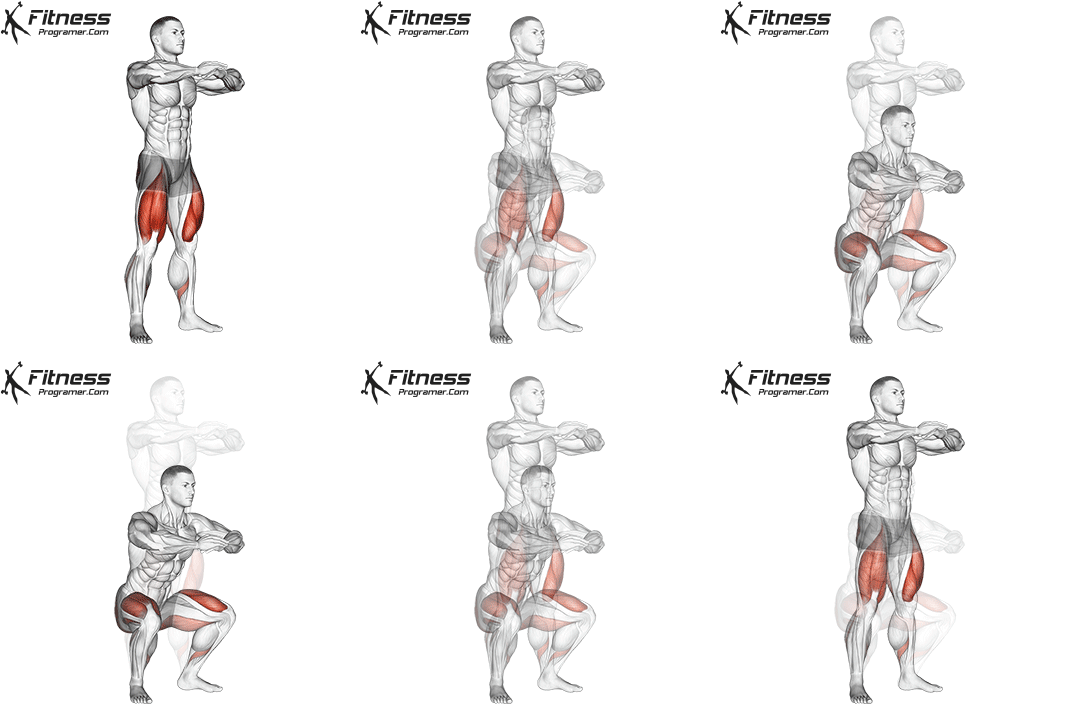
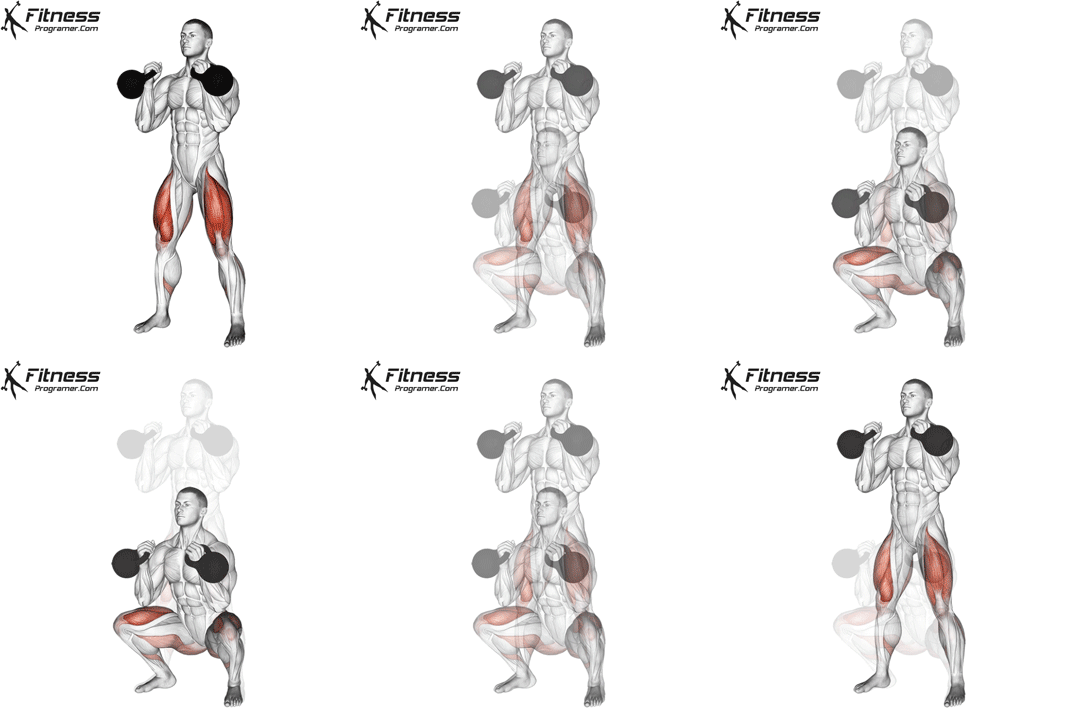
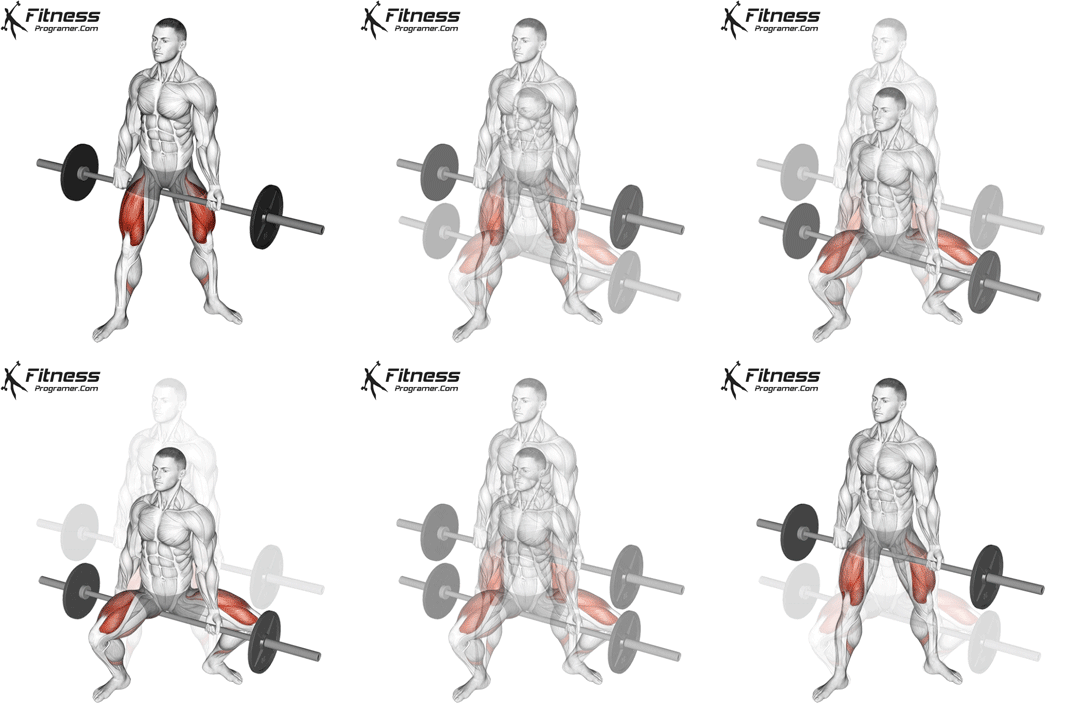
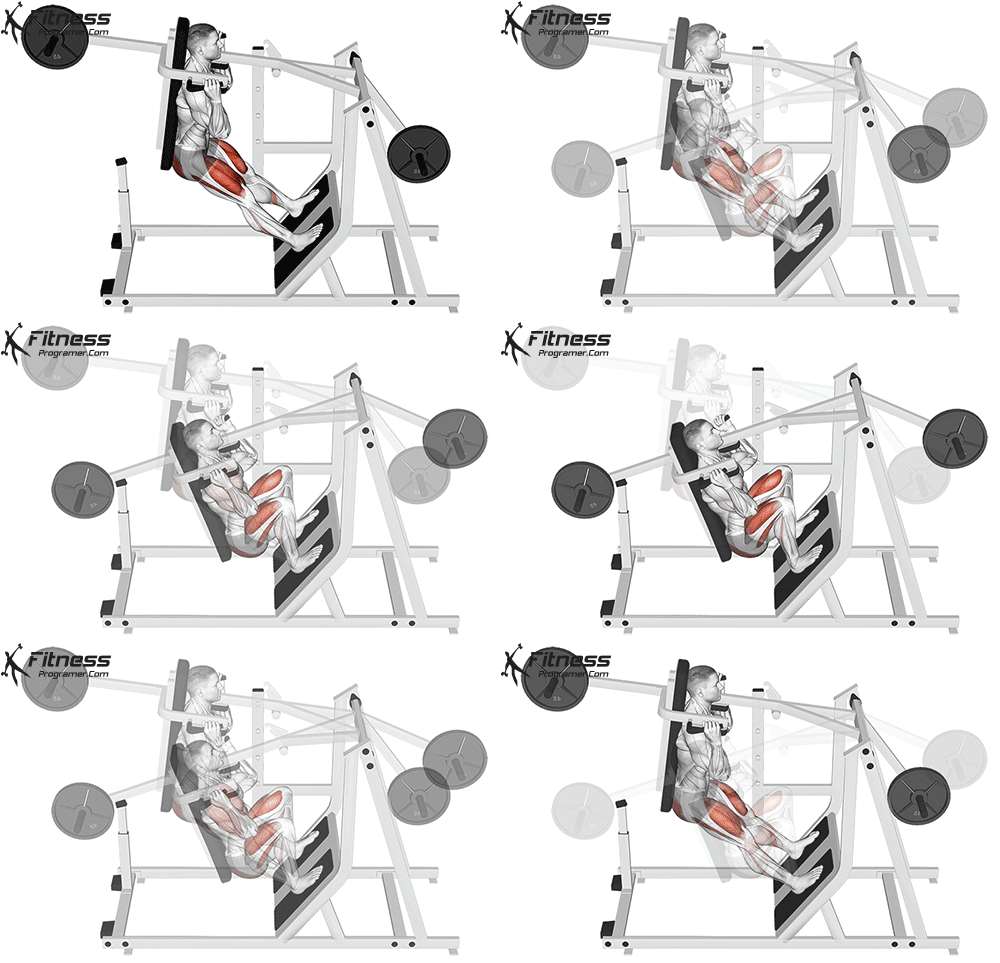
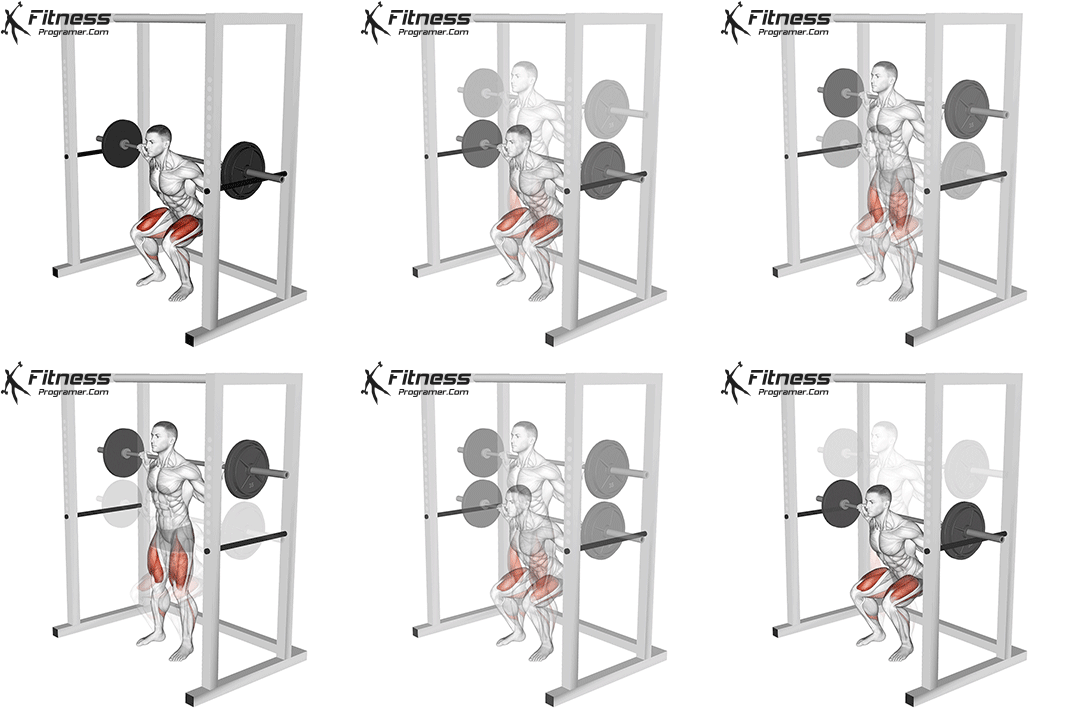
Jump Squat Muscles Worked
Frequently Asked Questions
Are jump squats safe for beginners?
Yes, but it’s important to master the basic squat first and start with small jumps to reduce impact.
How high should I jump?
Focus on controlled power rather than height. Quality form is more important than maximum elevation.
Can I add weight to jump squats?
Yes, but only once bodyweight form is strong. Consider using a light vest or dumbbells cautiously.
How often should I include jump squats?
Two to three times a week is ideal for most training programs focused on strength and conditioning.
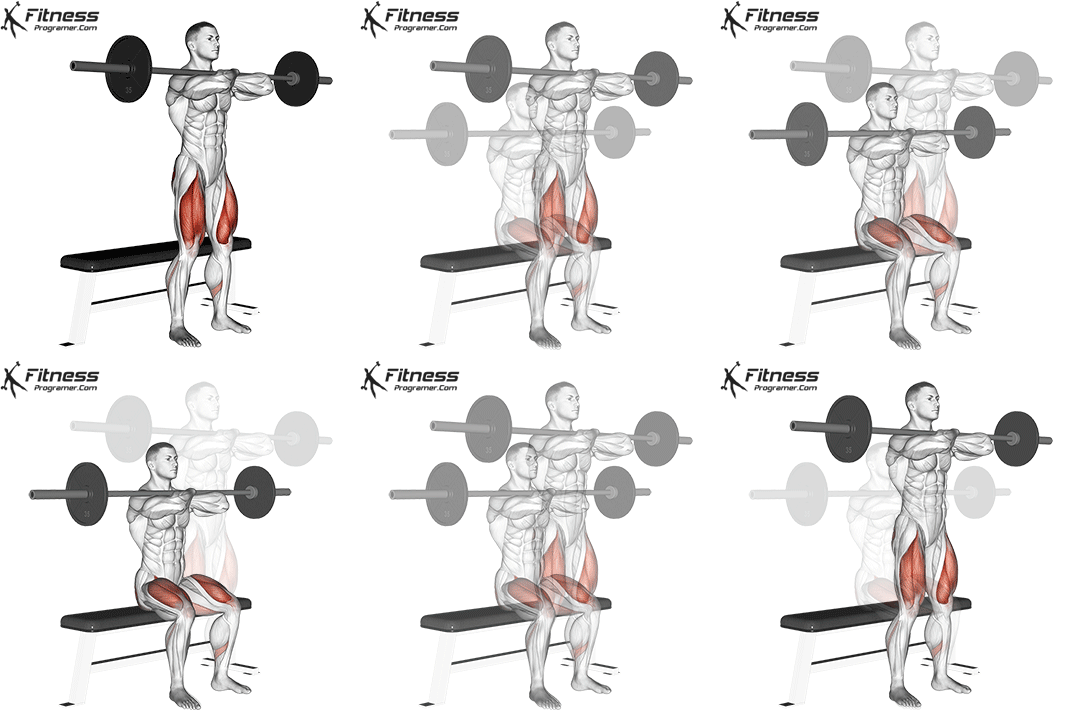
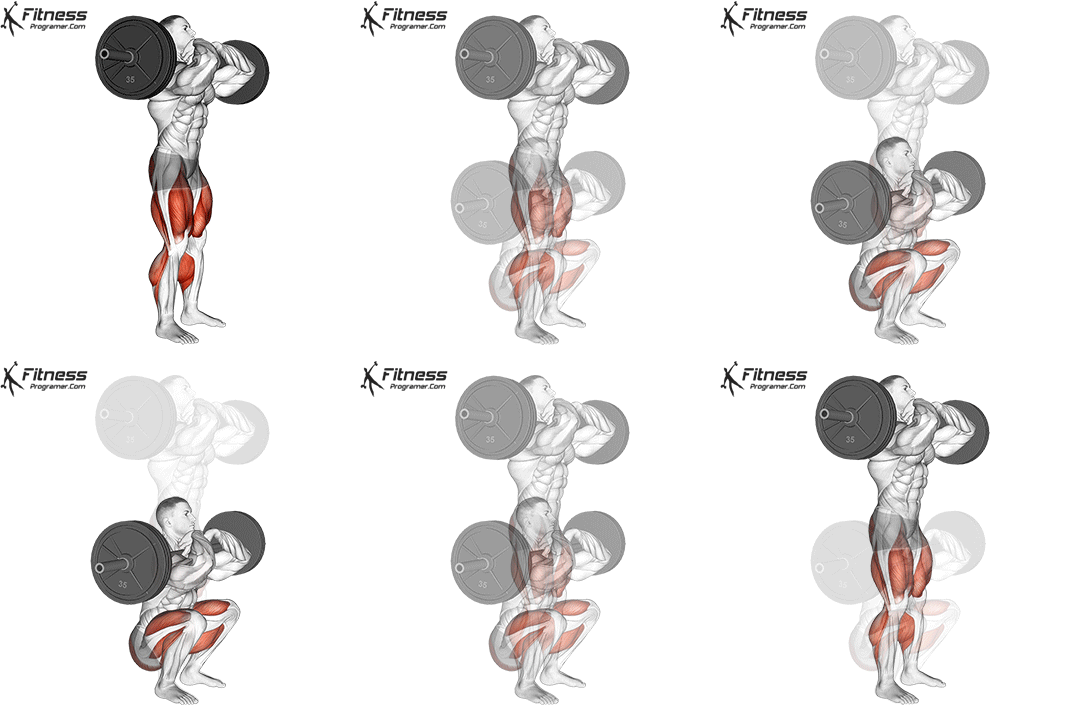
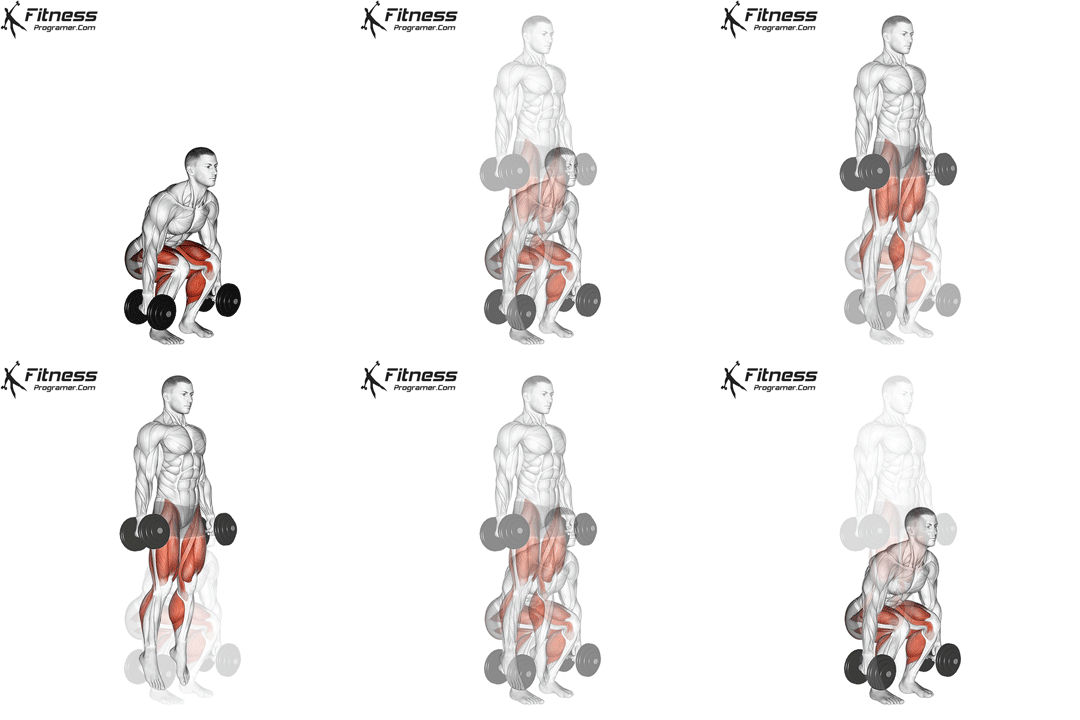
Jump Squat Variations
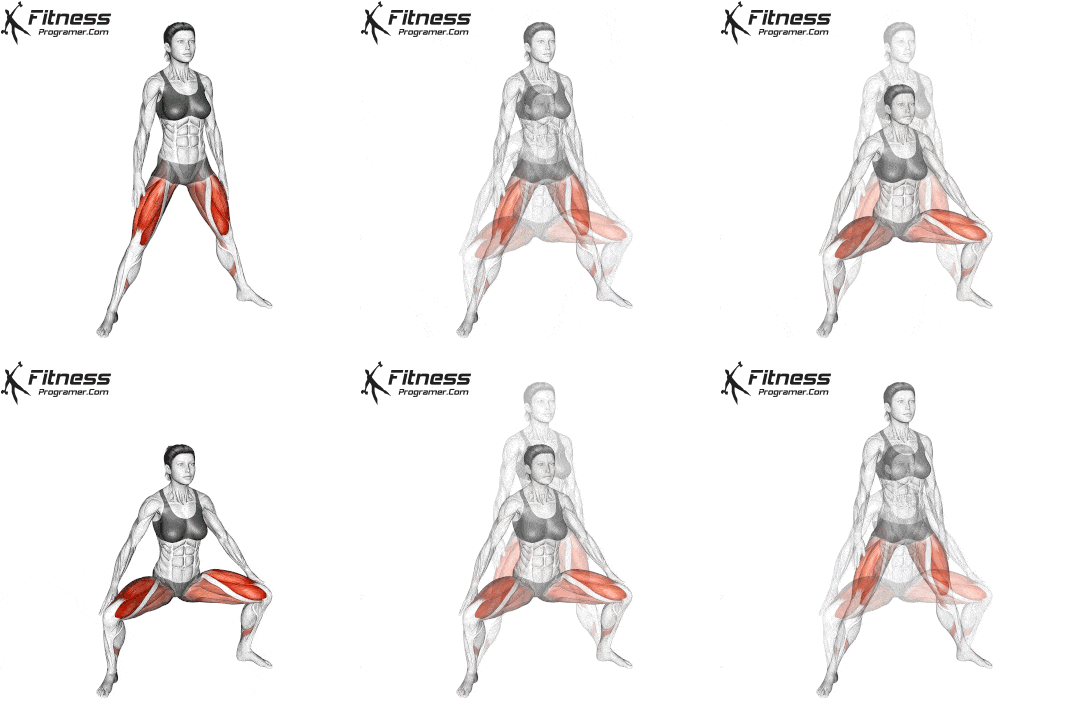
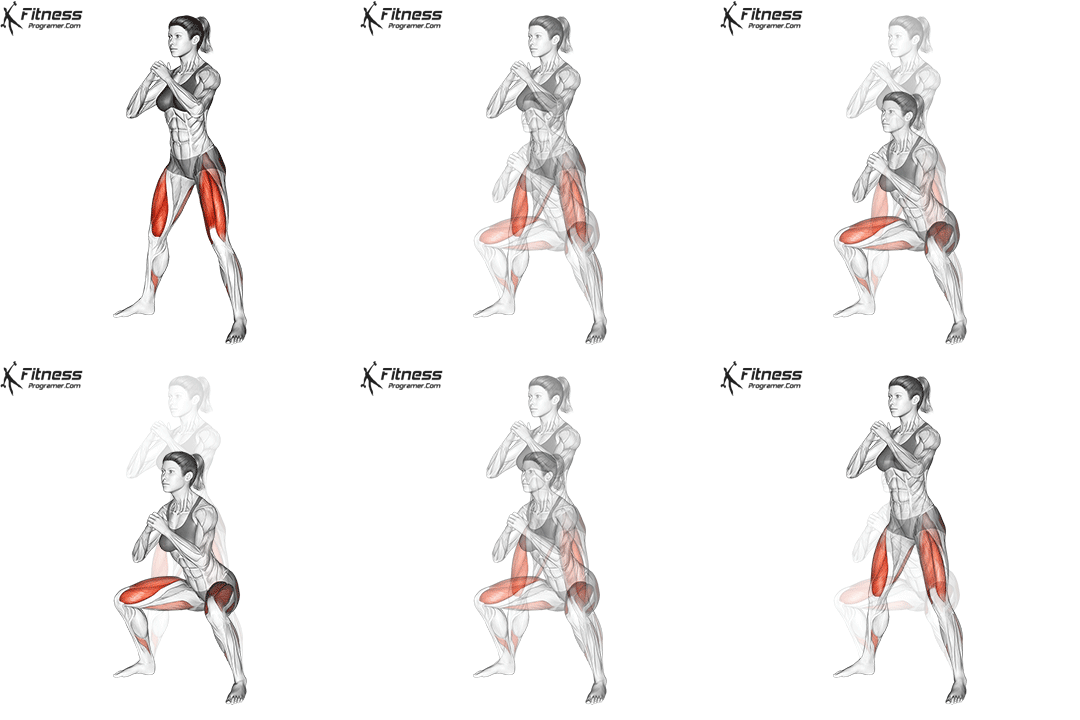
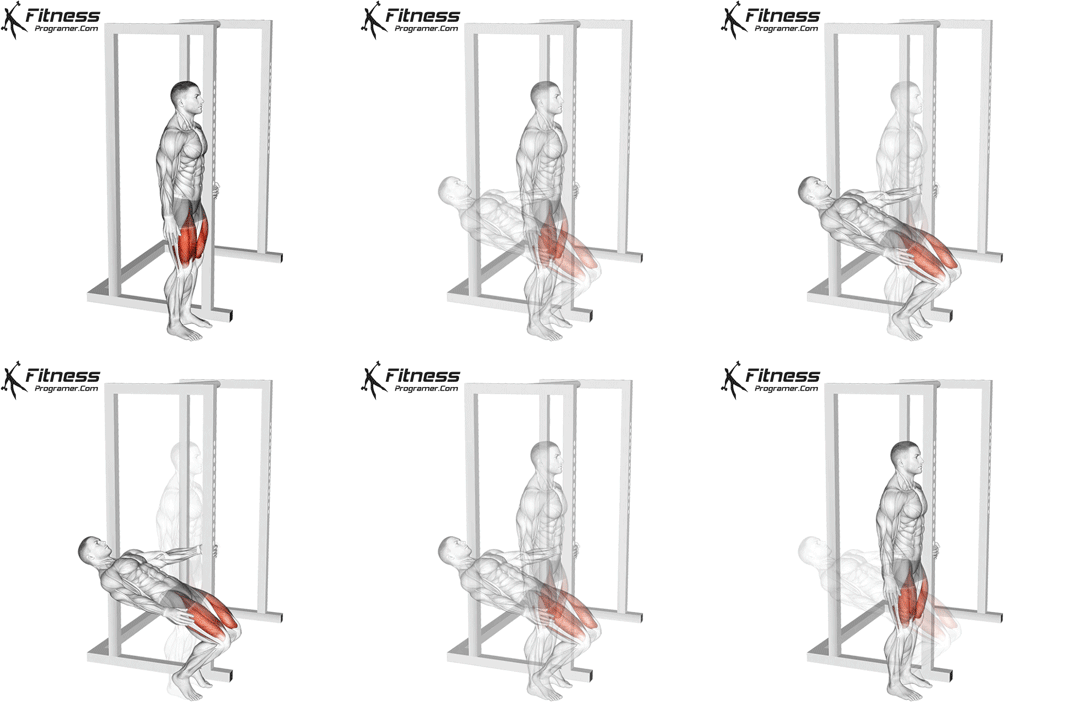
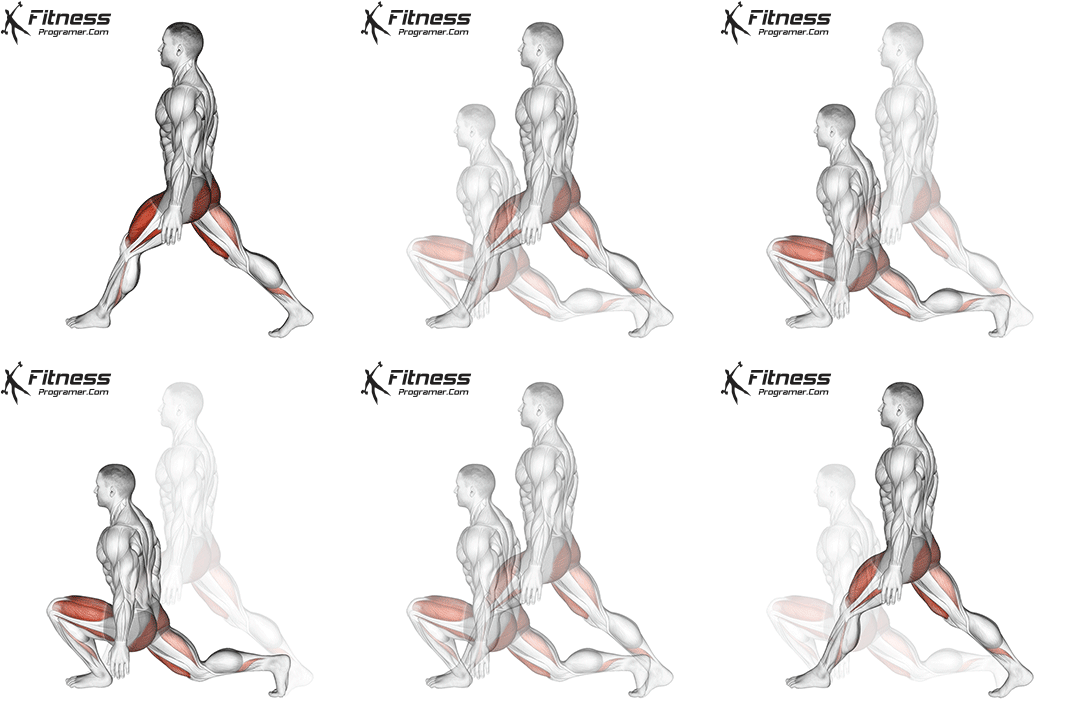
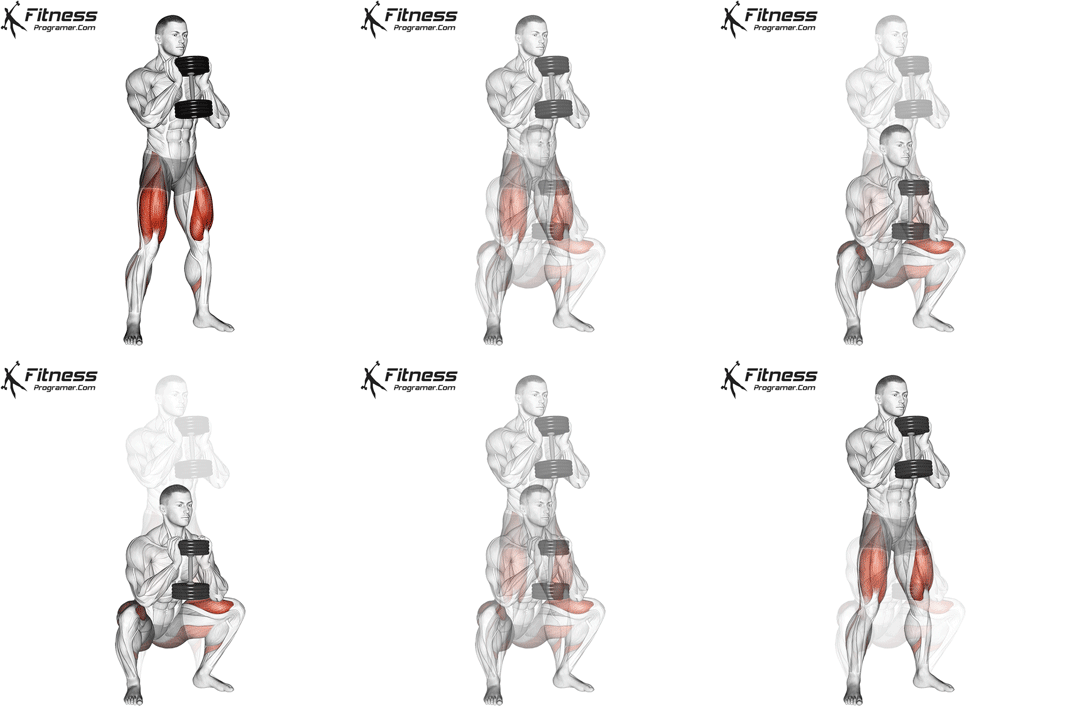
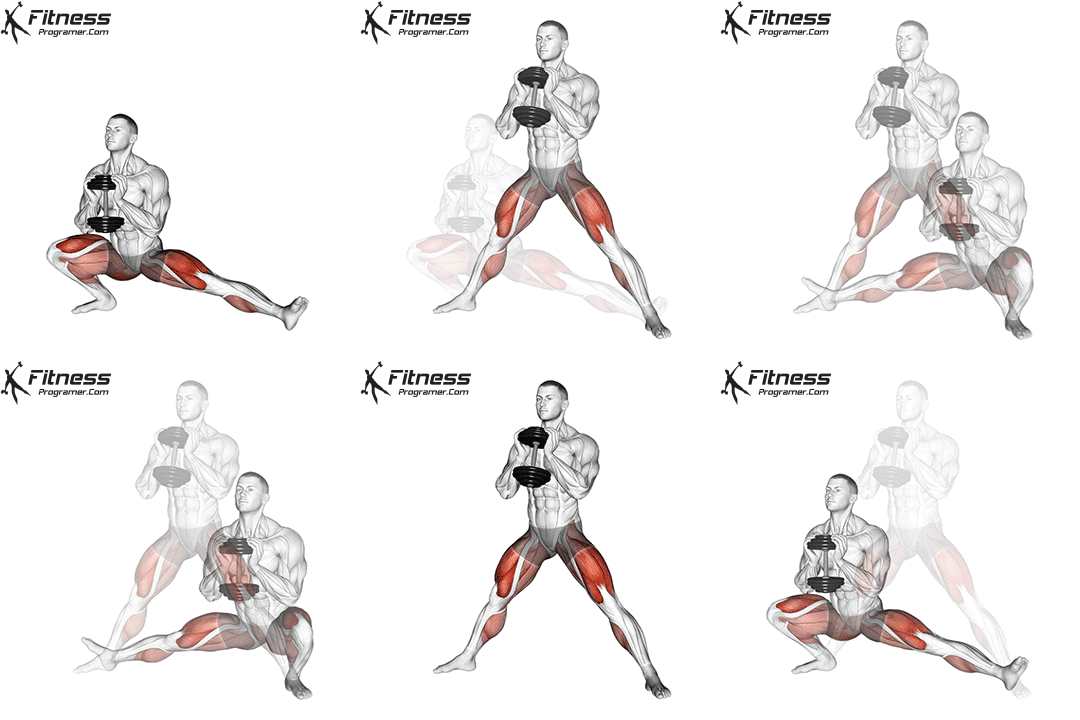
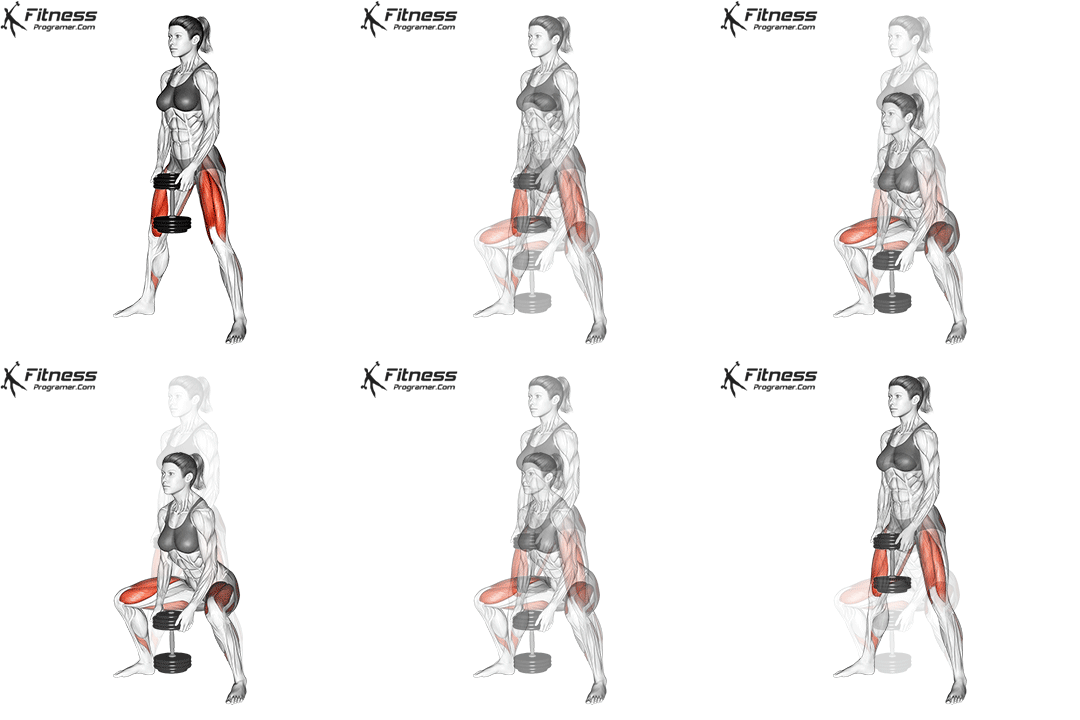
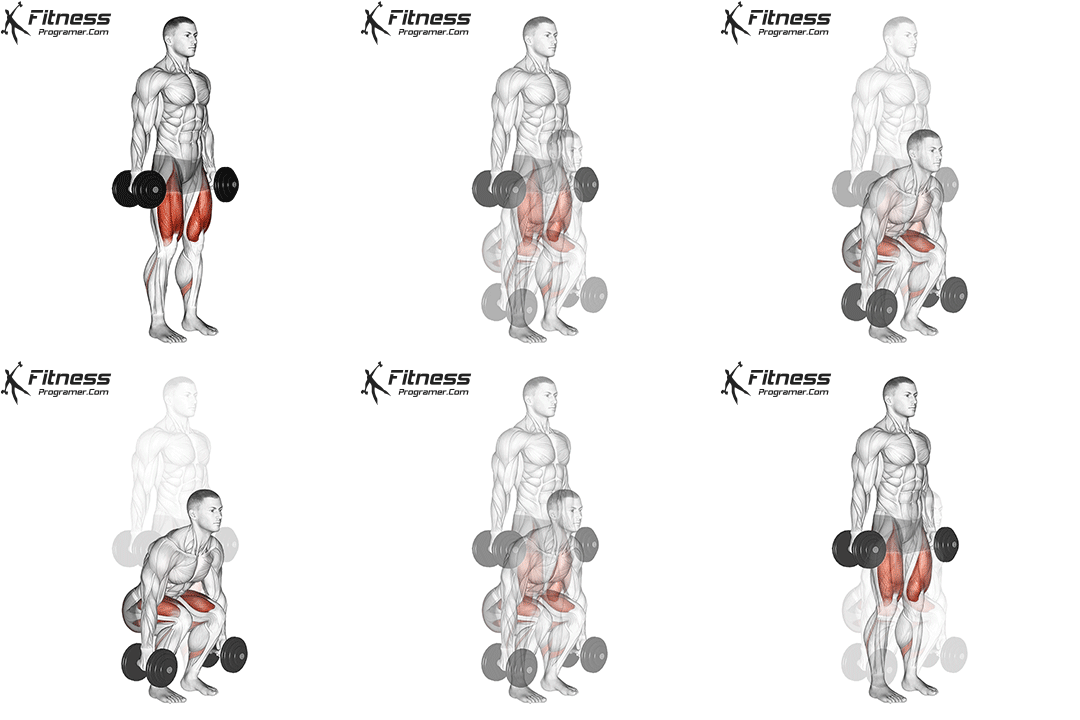
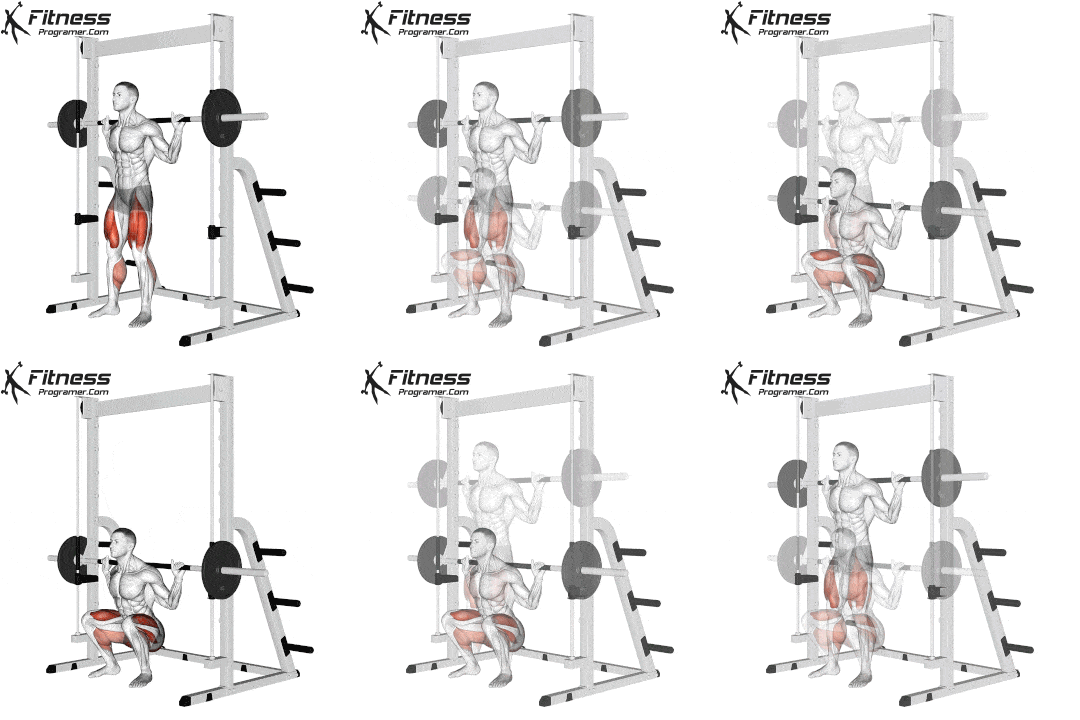
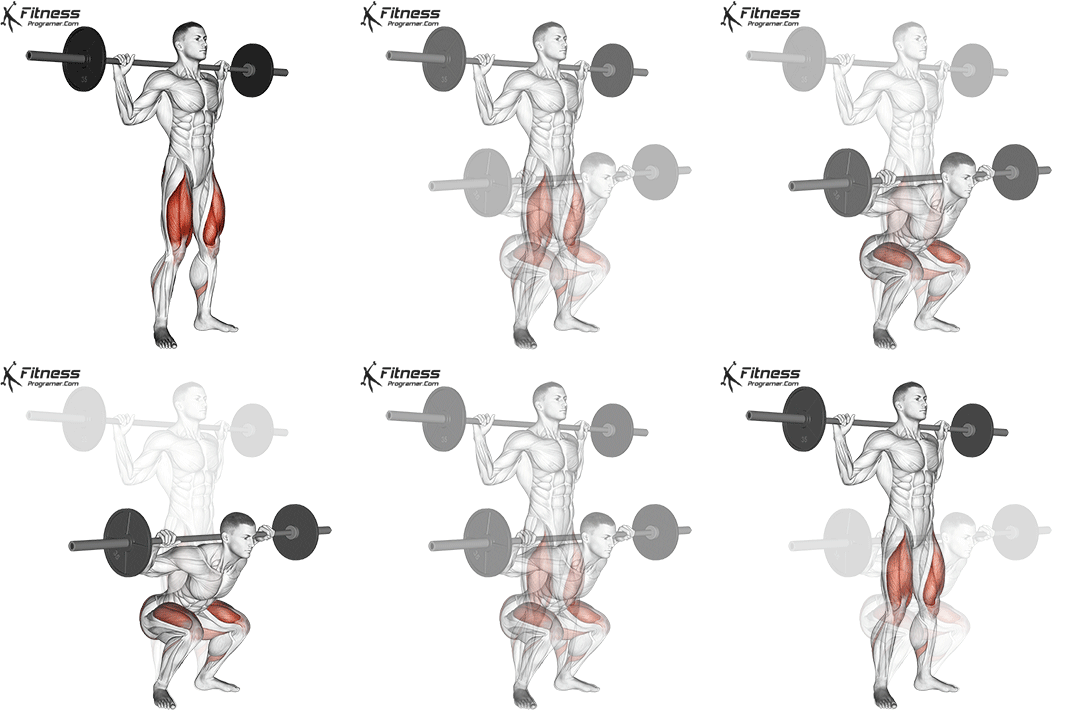
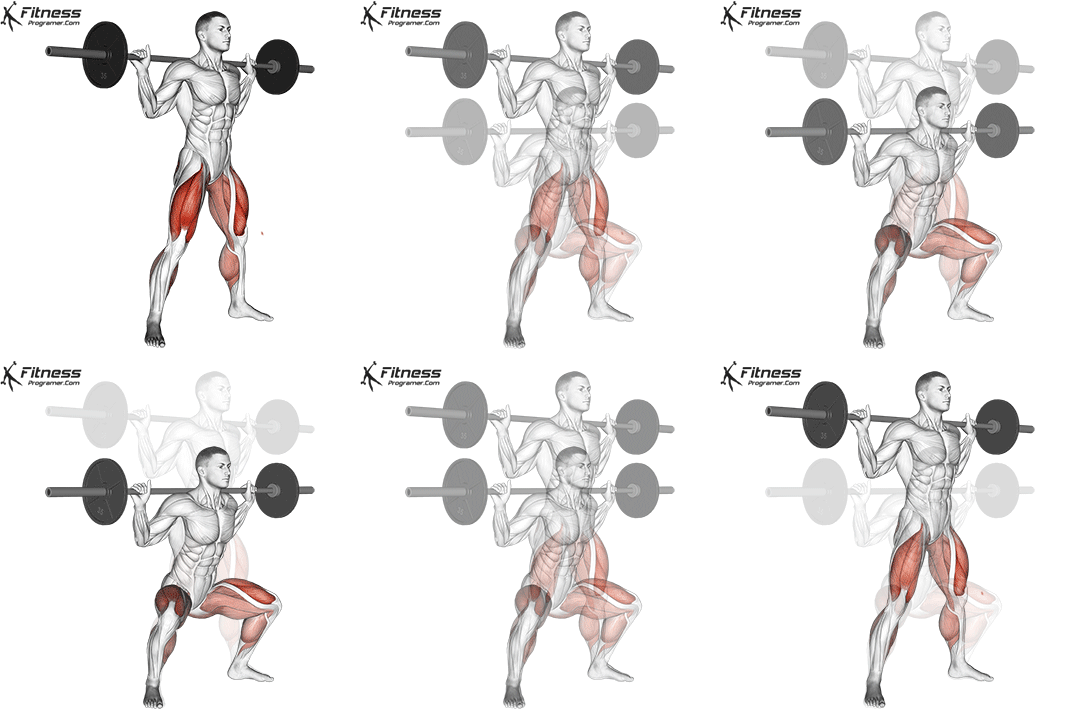
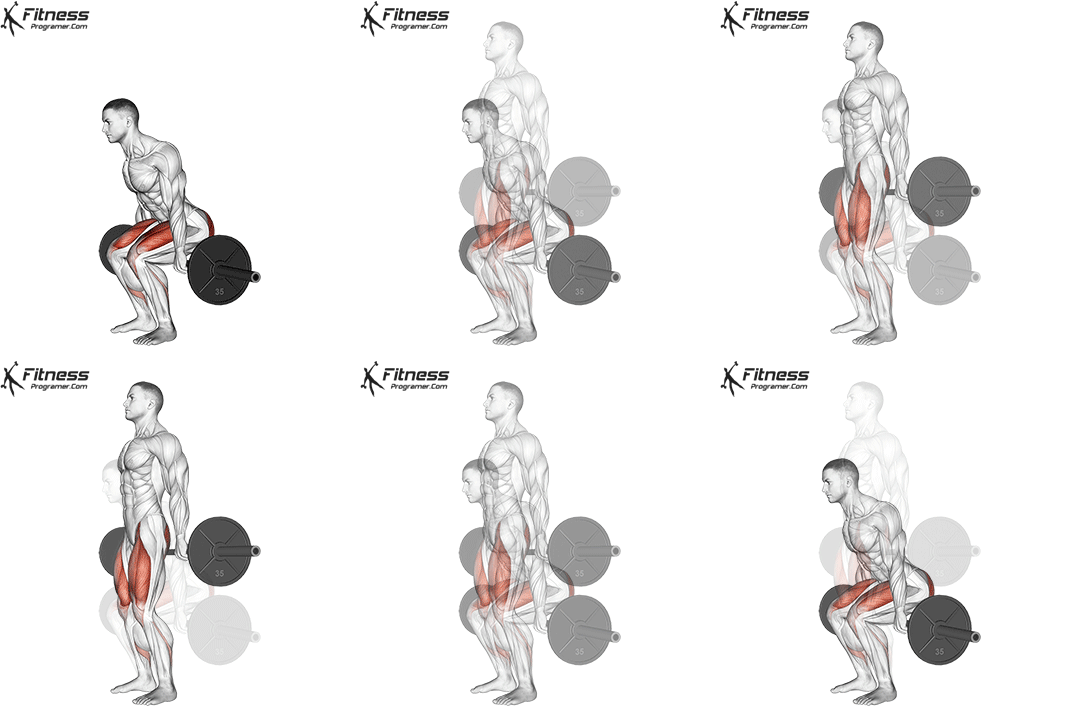
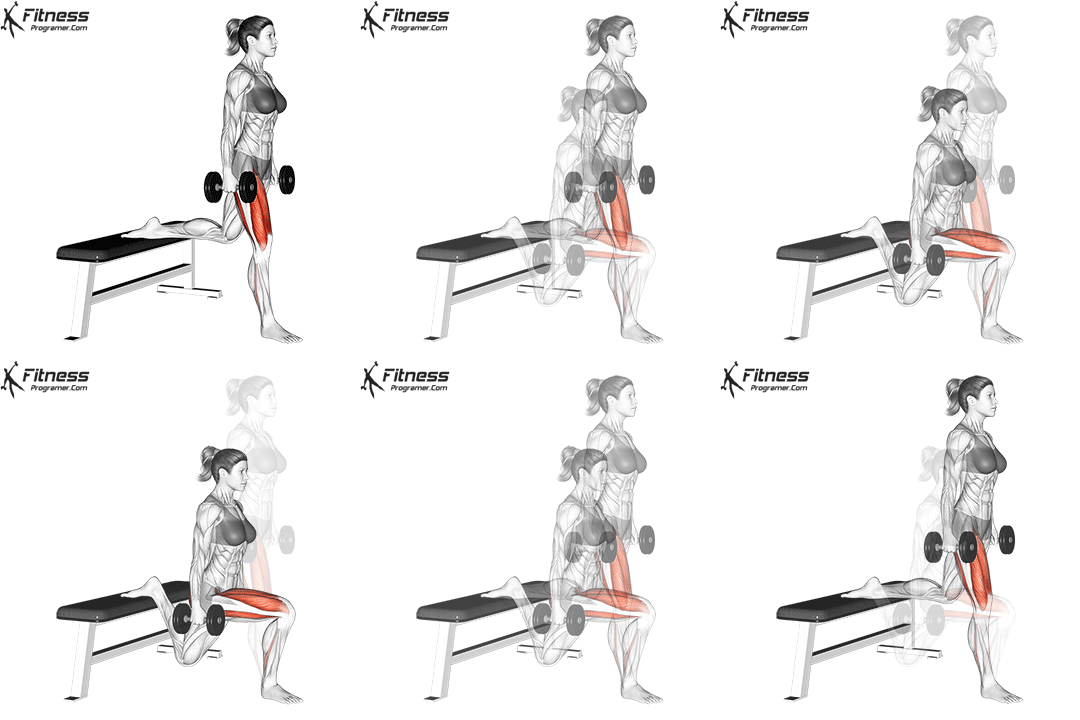
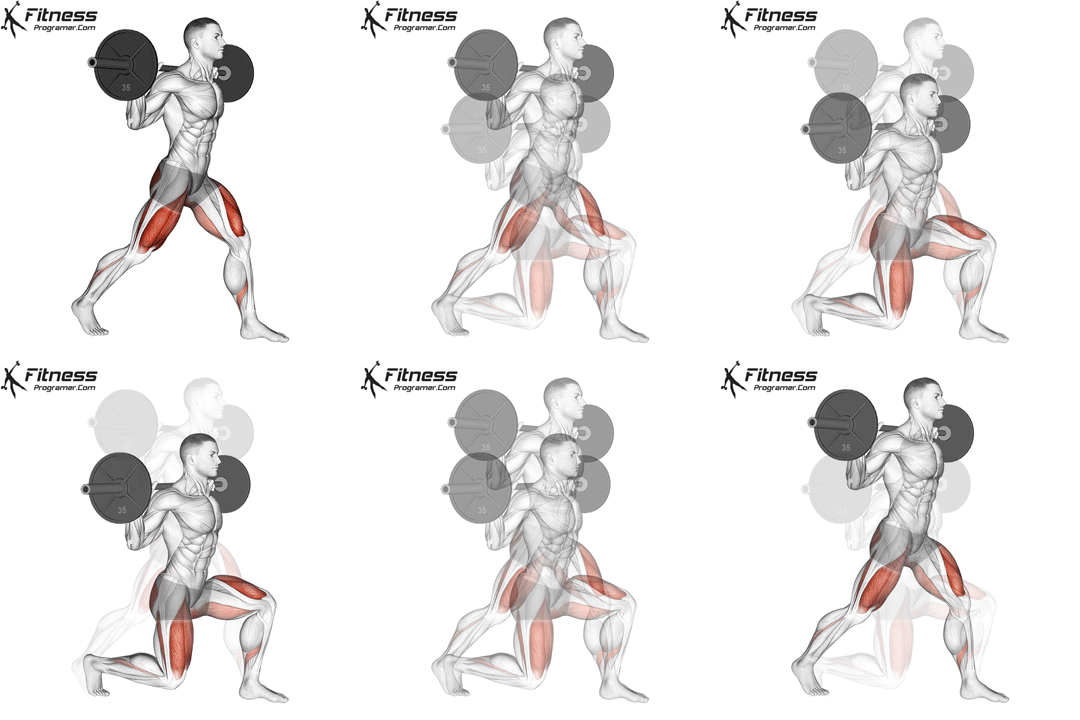
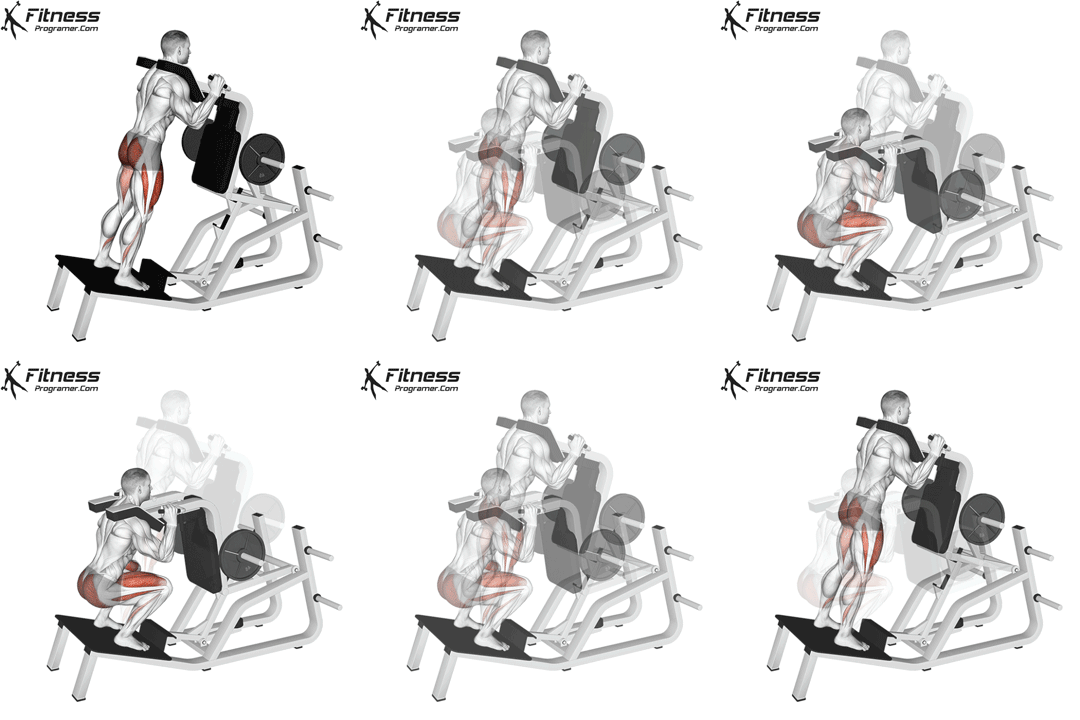
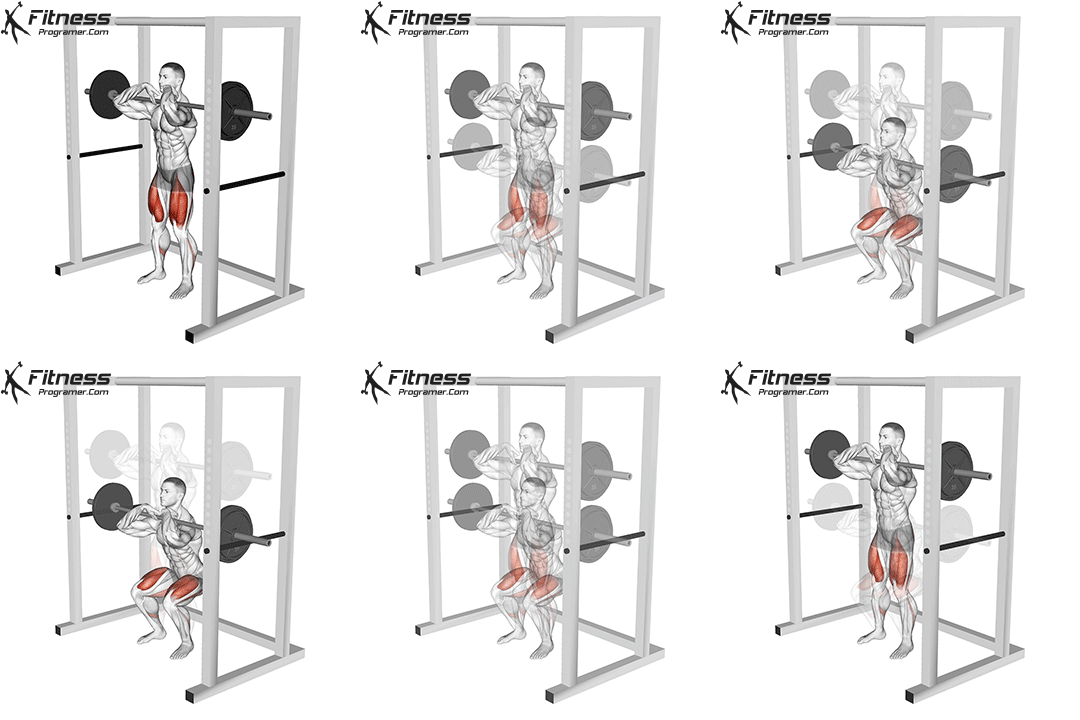
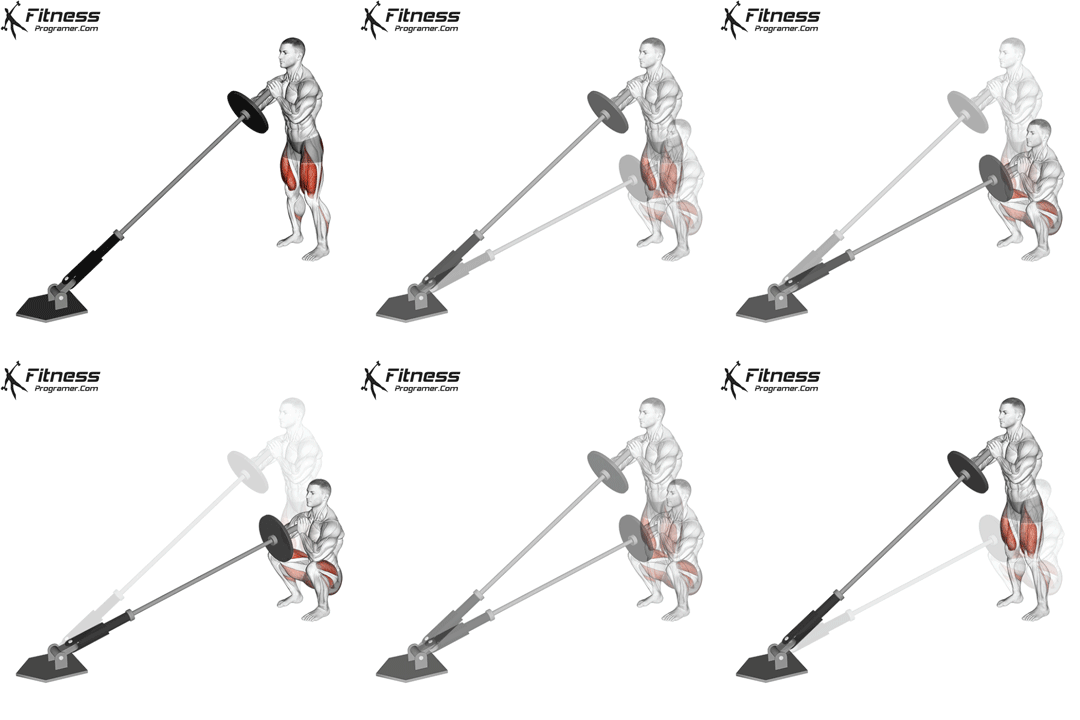
Short Stride Run
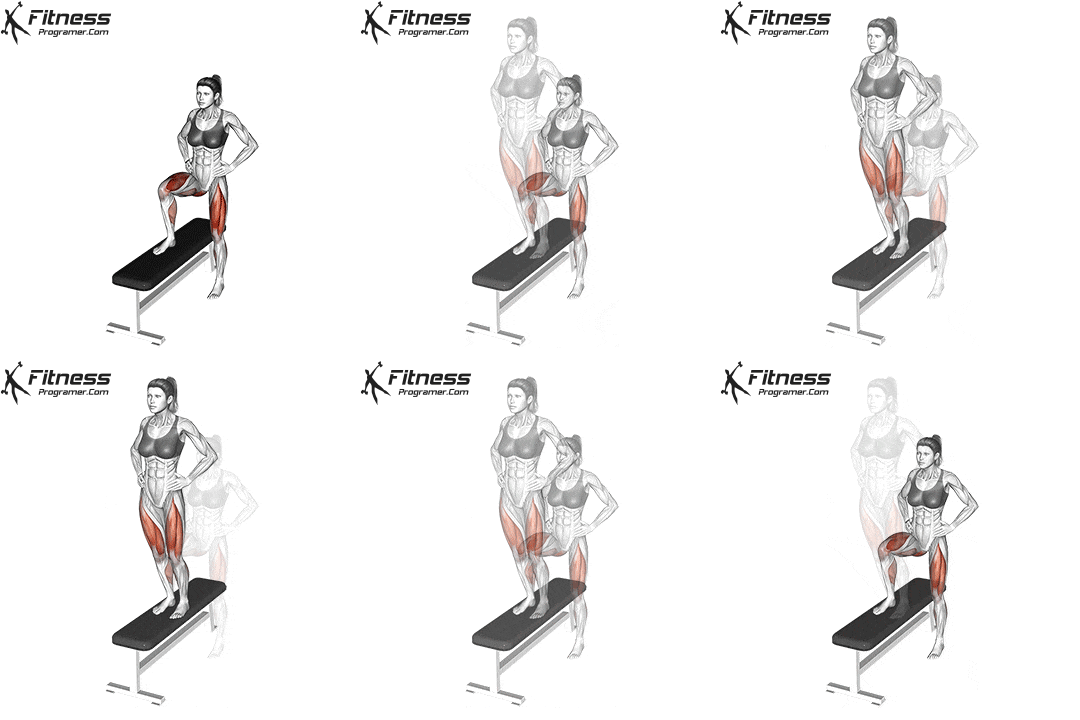
How to: Lateral Step-up