Contents
- Why Physical Activity Is Important for Older Adults
- How Much Exercise Older Adults Need
- Balance Exercises to Help Prevent Falls
- Strength Exercises to Maintain Muscle Mass
- Gentle Movement for Older Adults With Limited Mobility
- Aerobic Activity for Heart Health
- Activities That Support Flexibility and Balance
- Creating a Safe Exercise Routine
- The Long-Term Benefits of Staying Active
Staying active plays an important role in helping older people maintain good health, mobility and independence. As people age, the body gradually loses muscle mass, flexibility and balance, which can increase the risk of falls and injury. However, well-structured elderly fitness programs can help older adults stay strong, mobile and confident in everyday life.
Many families also combine exercise with professional care support when mobility becomes more challenging. Providers such as Careline Home Support help older people stay independent while supporting daily routines and encouraging regular physical activity that promotes healthy aging.
Importantly, exercise does not need to be intense to provide benefits. Gentle movement, regular exercise and simple exercises performed consistently each week can significantly improve overall health, reduce stress and help older adults remain physically active well into later life.
Why Physical Activity Is Important for Older Adults
Regular physical activity supports almost every aspect of health in later life. Staying active helps maintain muscle strength, improve balance and support mental health. For many older adults, the biggest goal is simply to stay independent and continue living comfortably in their own home.
Exercise routines designed for older people focus on maintaining mobility, supporting the body and protecting major muscle groups. Activities such as walking, yoga, swimming and water aerobics can improve heart rate control, reduce the risk of heart disease and help maintain a healthy weight.
Another important benefit is fall prevention. Many elderly fitness programs include balance exercises and flexibility and balance training specifically designed to prevent falls. These exercises strengthen muscles, improve coordination and help older adults feel more confident in their movement.
Regular physical activity can also support mental wellbeing. Exercise releases endorphins that reduce stress and improve mood. Joining a fitness class, walking clubs or group activities in the local area can also help older people meet new friends and stay socially active. Also, if you’re wondering how fit you’ll be in your 50s, try these 5 simple strength tests.
How Much Exercise Older Adults Need
Many people wonder how much exercise is recommended as we age. Health guidance generally suggests that older adults should aim for at least 150 minutes of moderate exercise each week.
This can include activities such as walking, swimming or water aerobics that raise the heart rate slightly while remaining comfortable and safe. Muscle strengthening activities should also be included at least two days each week to maintain muscle strength and improve strength in major muscle groups.
It is important to remember that fitness levels vary greatly between individuals. Some older adults remain highly active, while others may have limited mobility or medical conditions that require a more gentle approach. The key is to focus on staying active and maintaining regular movement within safe limits.
Starting slowly with gentle stretching and simple exercises allows the body to adapt gradually while reducing the risk of injury.
Balance Exercises to Help Prevent Falls
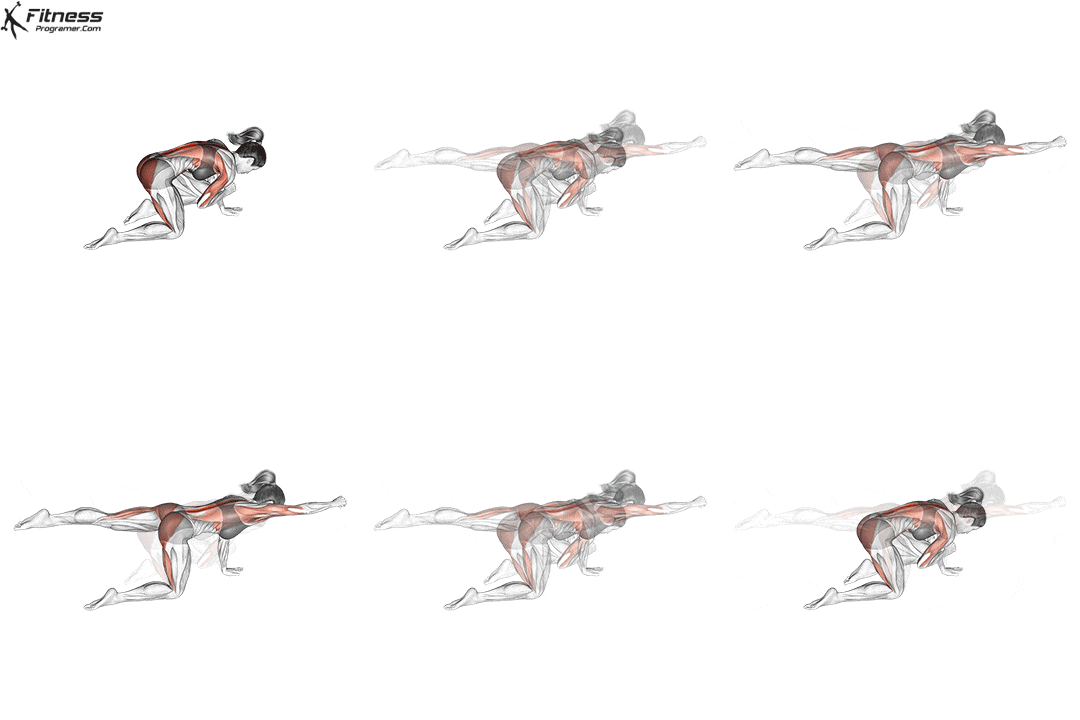
Falls are one of the biggest health risks for older people, but balance exercises can significantly reduce this risk. Many elderly fitness programs include simple exercises that improve stability and coordination.
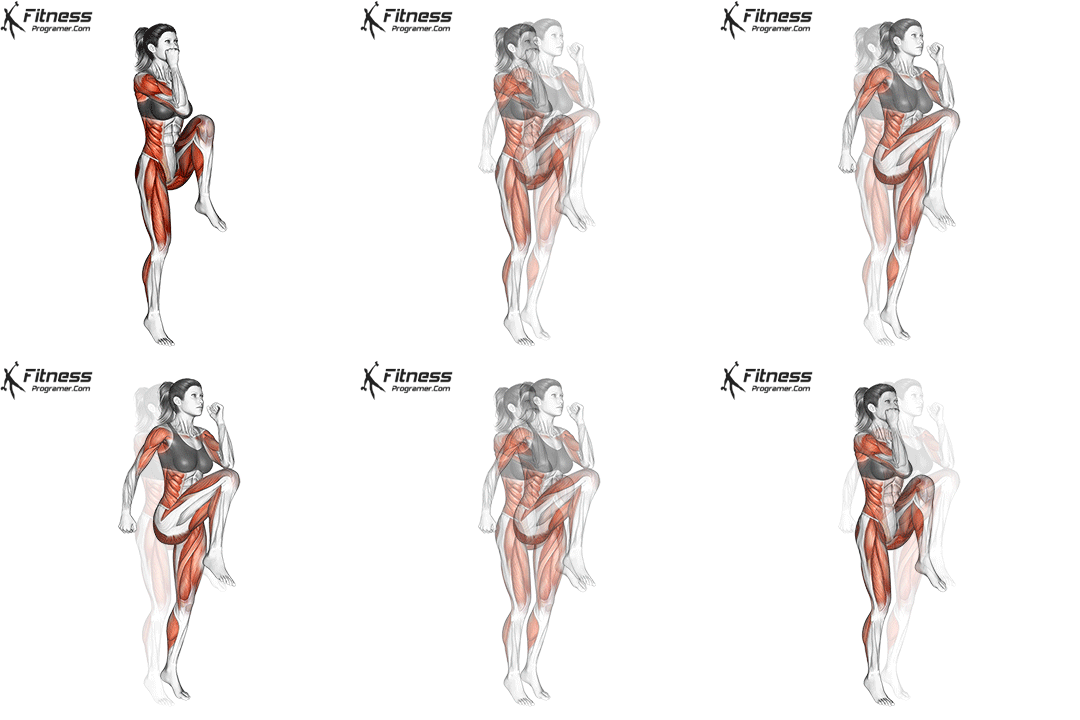
A common balance exercise begins from a standing position with the feet hip width apart. From this starting position, slowly lift one leg while keeping the body upright. Hold the position briefly before returning to both feet.
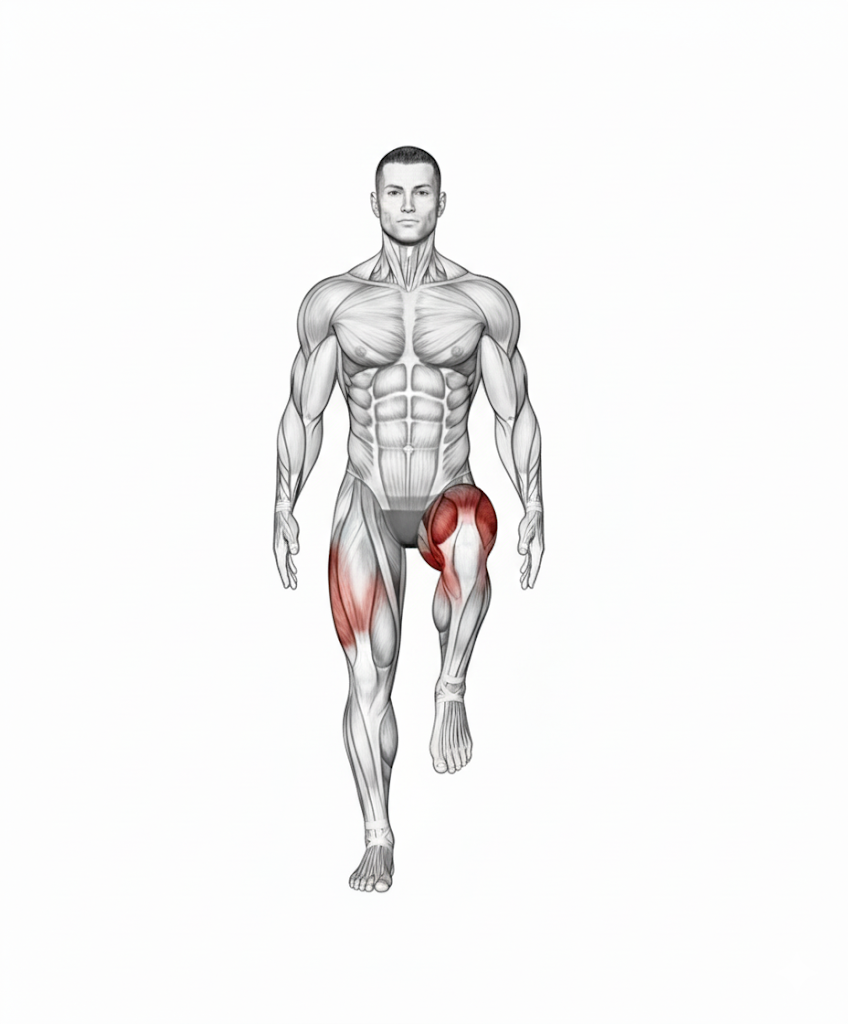
Repeating the movement using the other leg helps improve balance on both sides of the body. Over time, these exercises strengthen stabilising muscles and improve coordination.
Another useful exercise focuses on stepping movements. Starting in a standing position, step forward with the left foot and hold briefly before returning to the starting position. Repeat with the other leg. This simple movement helps train balance and coordination while strengthening leg muscles.
Practising these exercises regularly can improve stability and help older adults prevent falls during everyday movement.
Strength Exercises to Maintain Muscle Mass
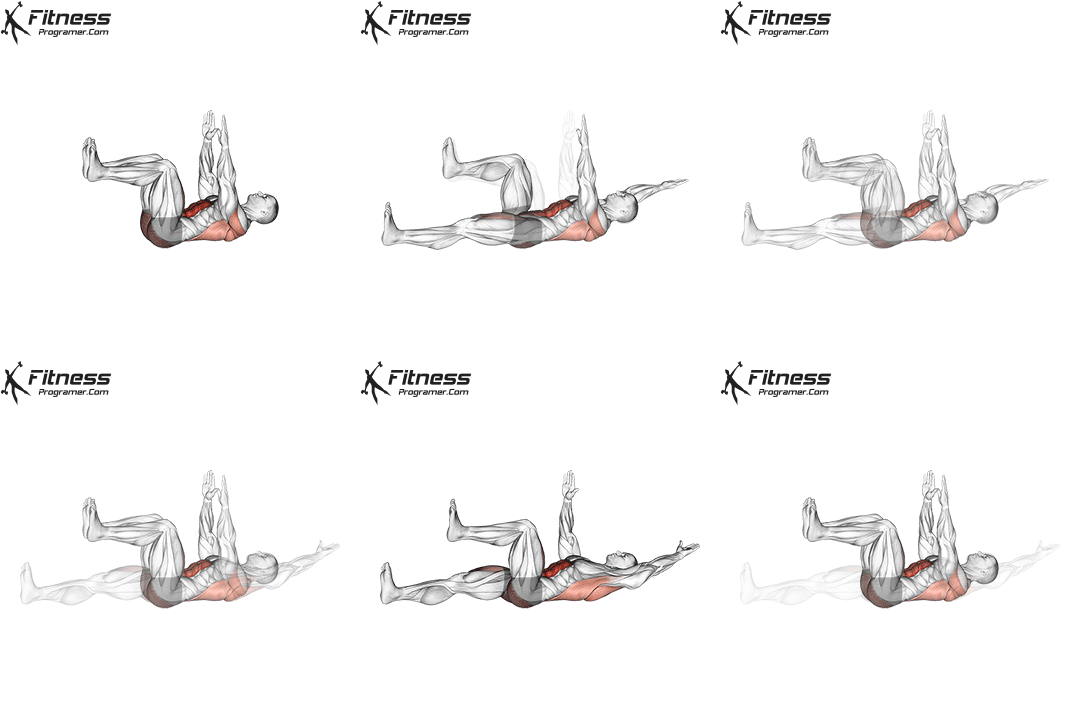
Maintaining muscle strength is essential for healthy aging. Strengthening exercises help prevent muscle loss, improve posture and support everyday activities such as climbing stairs, standing up and walking.
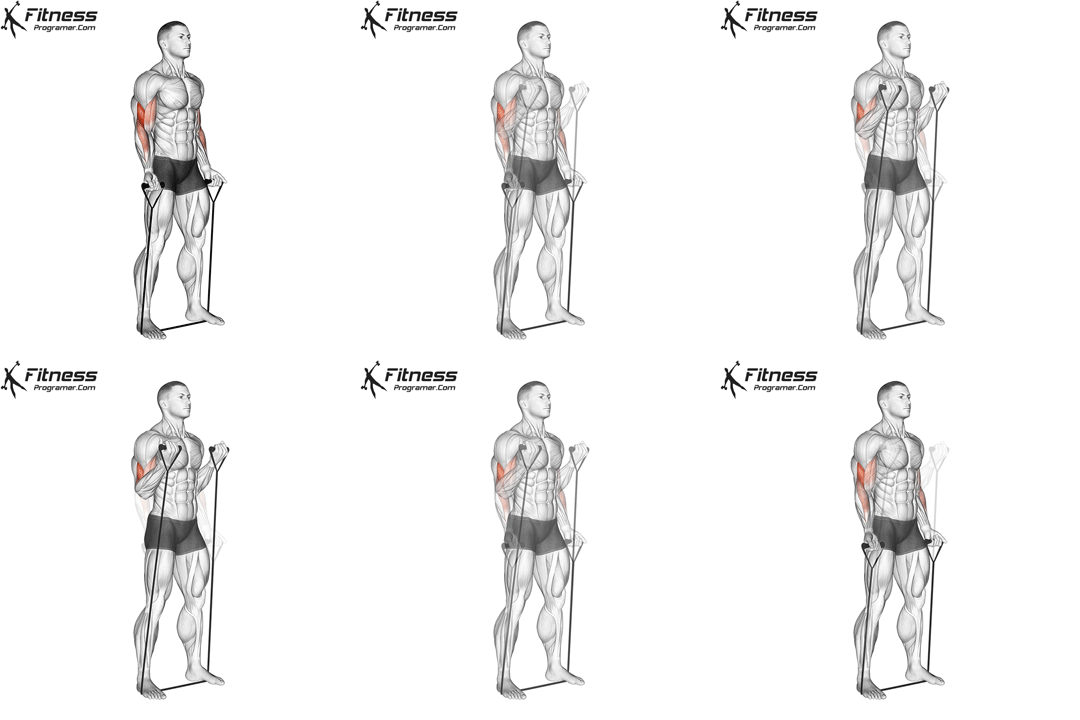
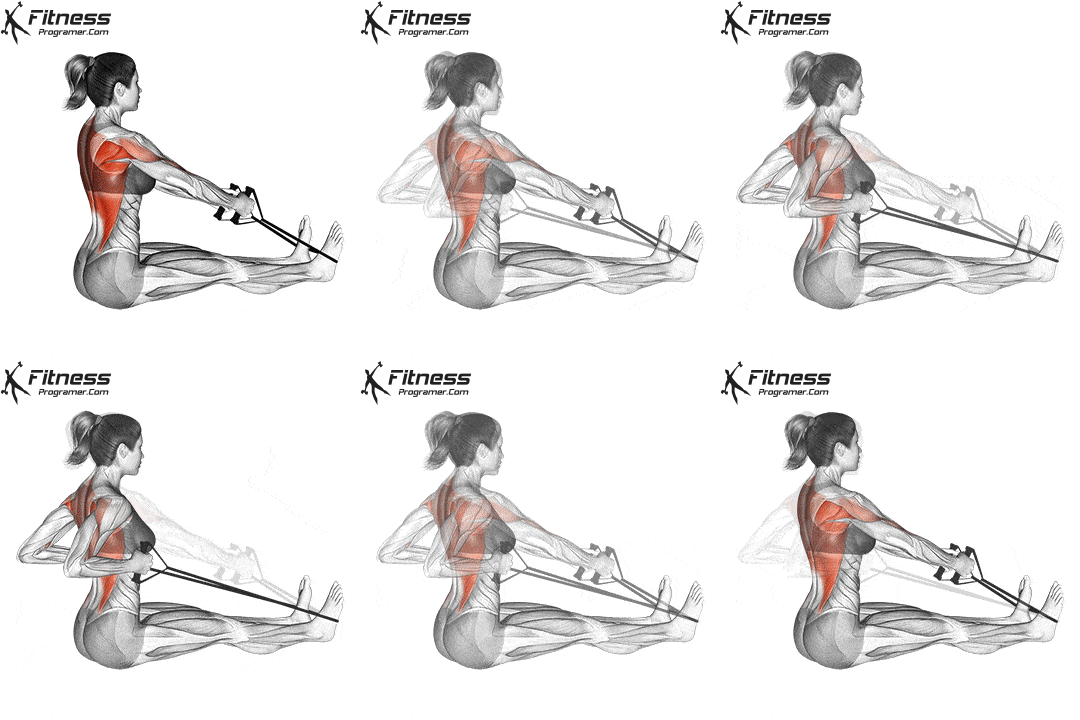
Resistance bands and light weights are commonly used in elderly fitness programs because they provide safe resistance without placing too much strain on joints. These tools allow older adults to perform muscle strengthening exercises that target major muscle groups such as the legs, arms and core.
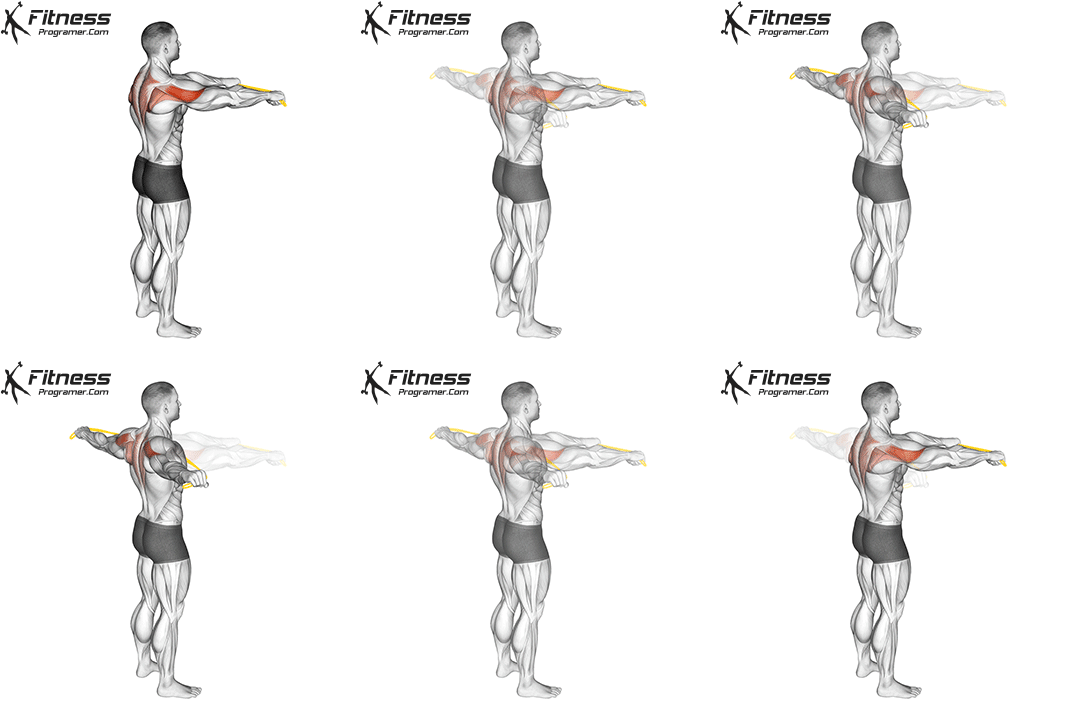
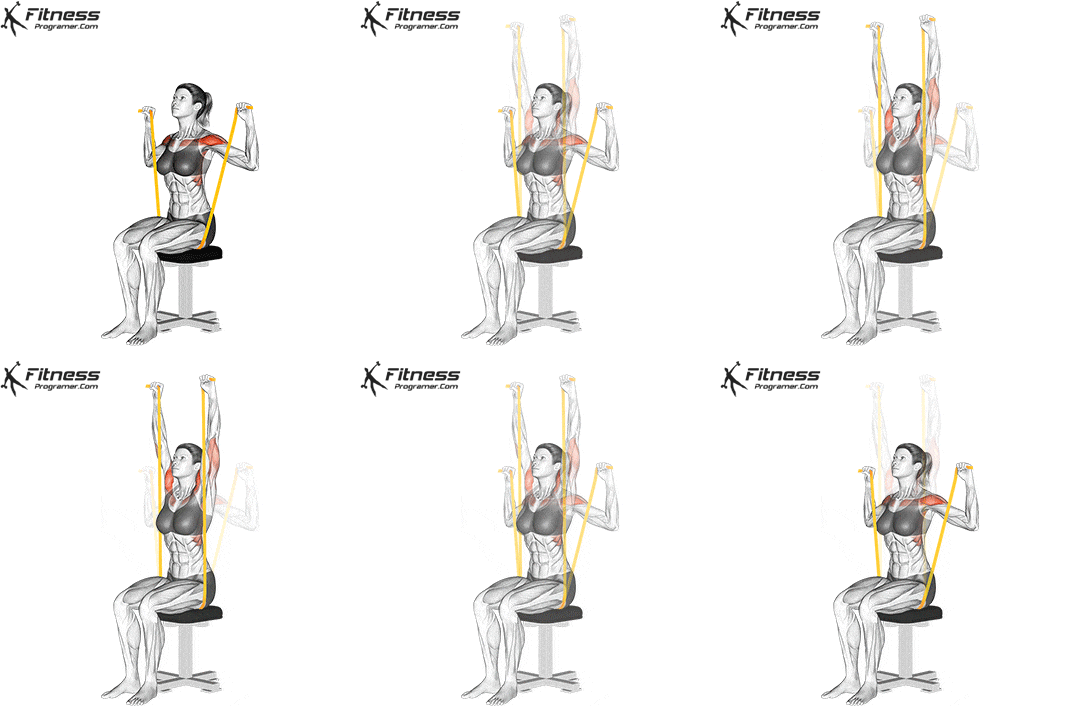
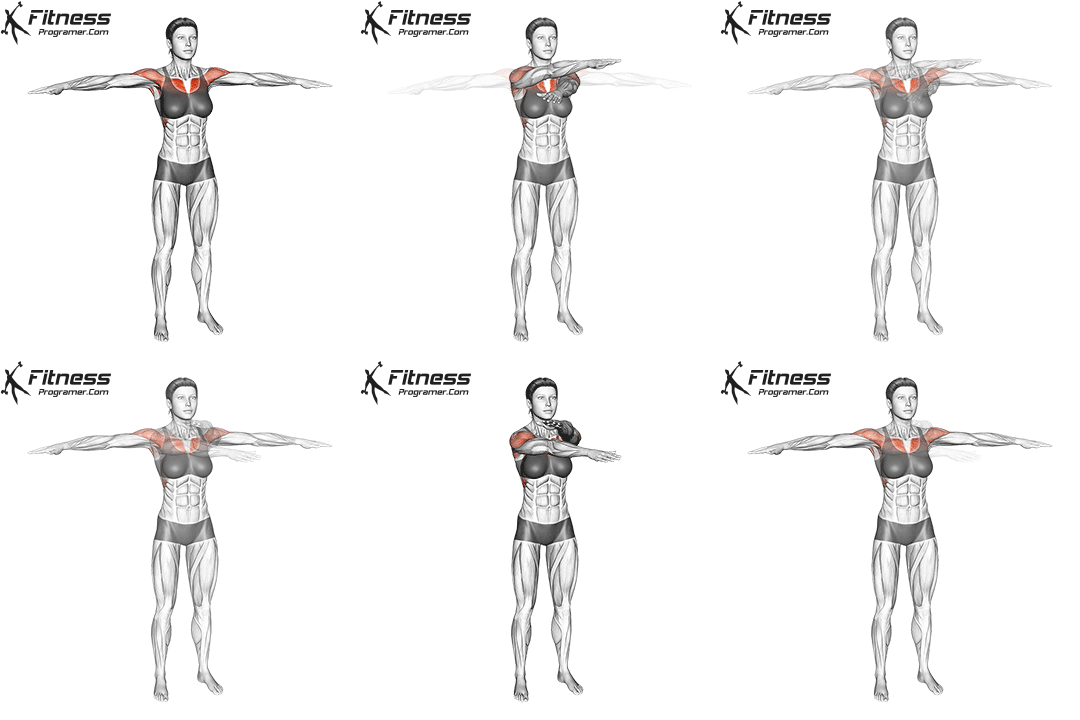
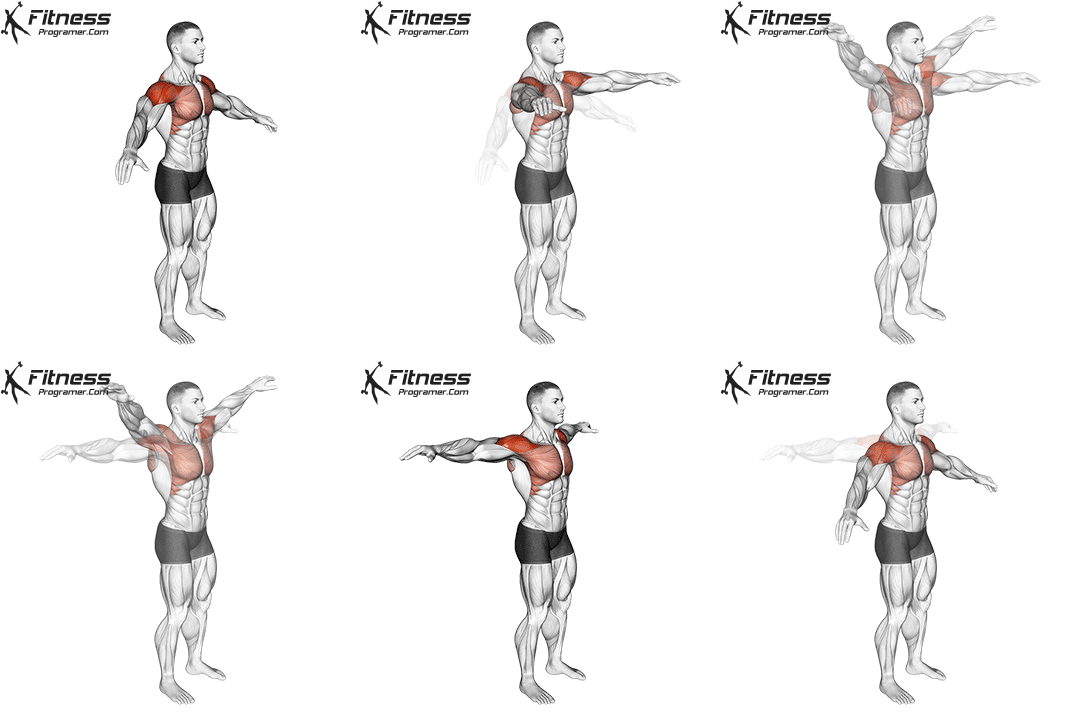
For example, seated strength exercises can be performed using resistance bands. From a seated starting position, hold the band and gently pull outward to engage the arms and shoulders. These strengthening exercises improve muscle strength while remaining suitable for individuals with limited mobility.
Another common exercise uses light weights to strengthen the arms and upper body. Gradually increasing resistance can help increase strength over time.
Regular muscle strengthening activities support the body’s stability, improve posture and make everyday tasks easier.
Gentle Movement for Older Adults With Limited Mobility
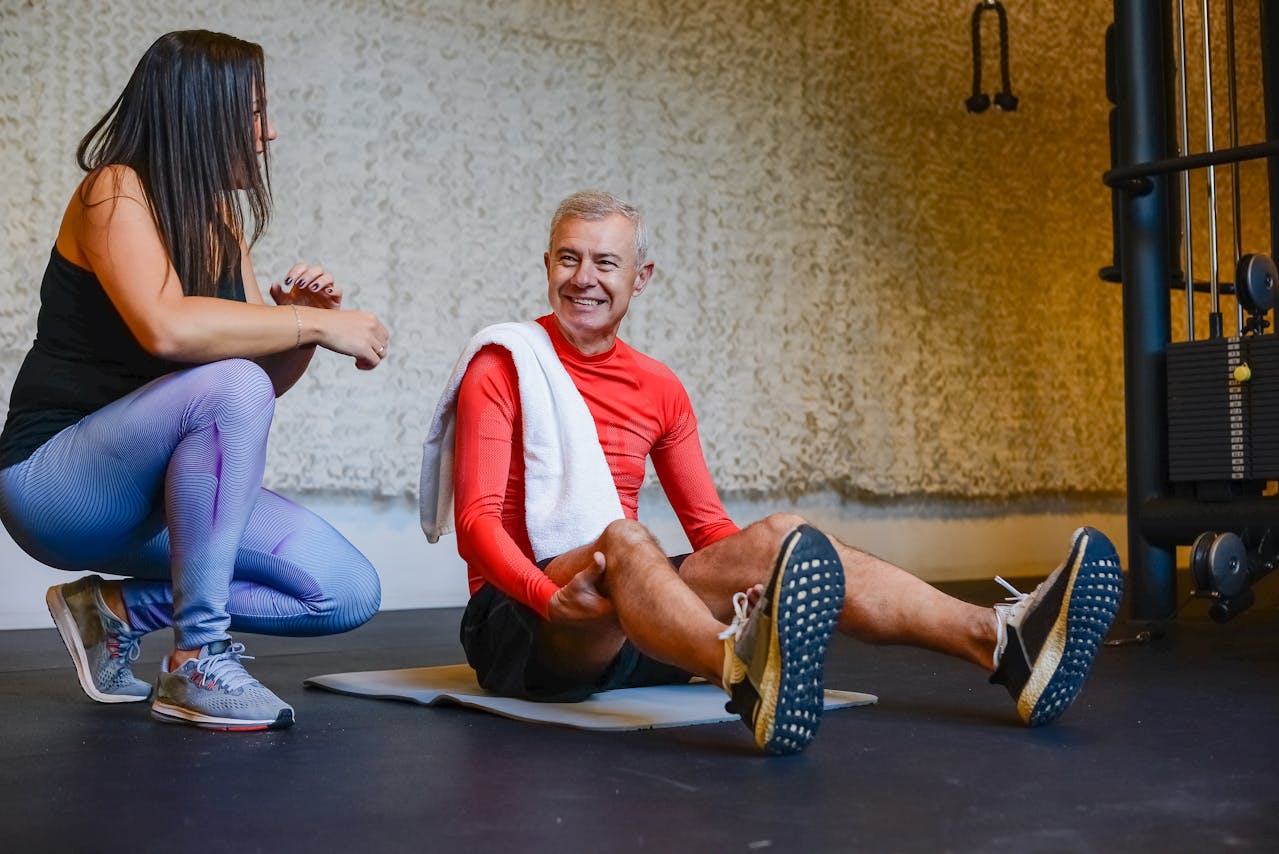
Not every exercise routine needs to involve standing or high levels of activity. Many elderly fitness programs include exercises performed seated, making them accessible for older adults with limited mobility or medical conditions.
Seated exercises focus on gentle movement that improves circulation, flexibility and muscle strength. For example, seated leg lifts can strengthen the legs while reducing pressure on joints.
Stretching exercises performed seated can also improve flexibility and balance. Gentle stretching helps maintain joint mobility and reduces stiffness that can develop with age.
These types of exercises allow individuals with health issues to remain physically active while protecting their body from unnecessary strain.
Aerobic Activity for Heart Health
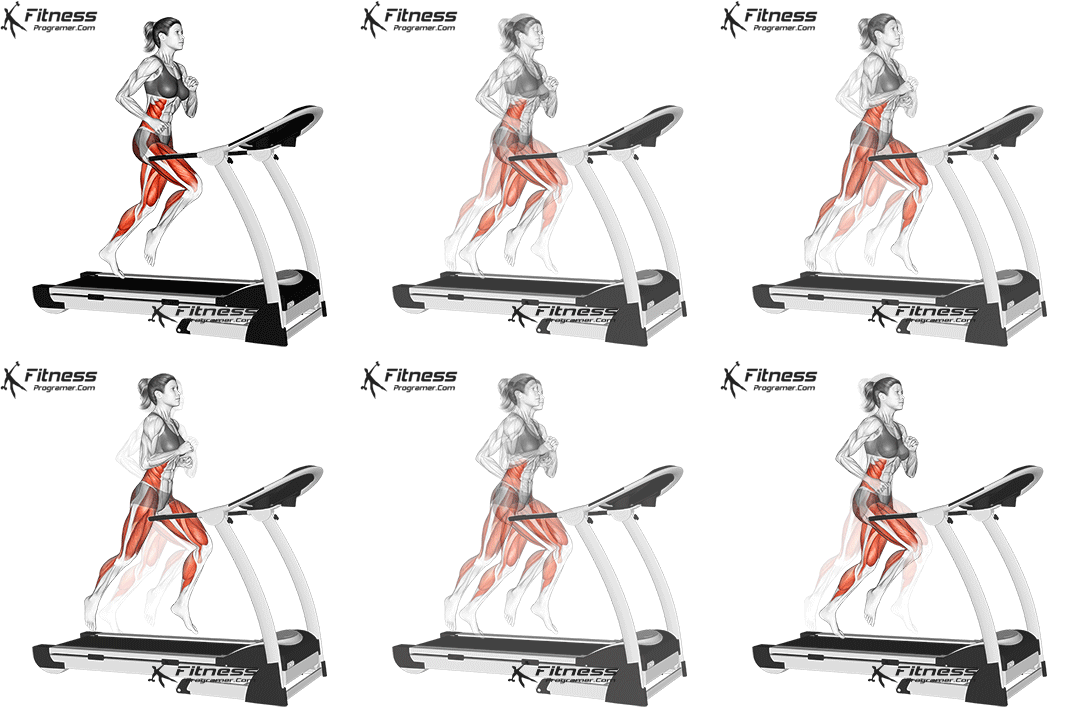
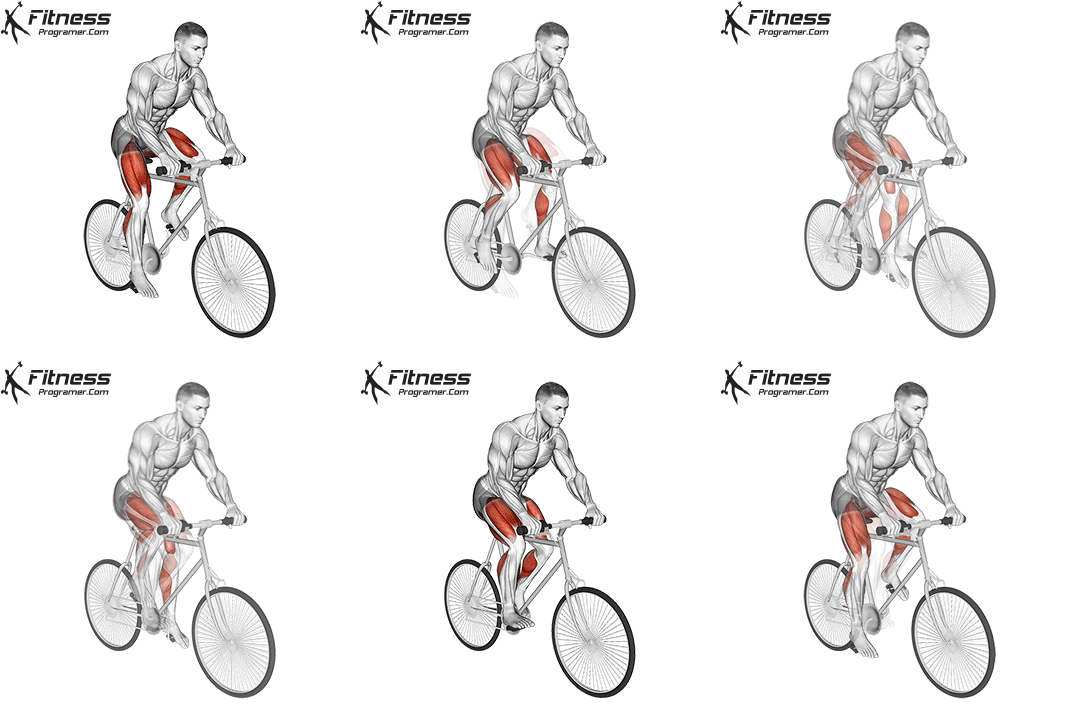
Aerobic activity supports heart health and improves cardiovascular fitness. Activities such as walking, swimming and water aerobics gently increase heart rate and strengthen the heart.
Walking is one of the most accessible forms of aerobic activity for older adults. Joining walking clubs in the local area can also provide social support and encourage consistency.
Swimming and water aerobics are particularly beneficial because water supports the body while reducing stress on joints. This makes them ideal for individuals with arthritis or mobility challenges.
Regular aerobic activity can reduce the risk of heart disease, improve circulation and support overall health.


Activities That Support Flexibility and Balance
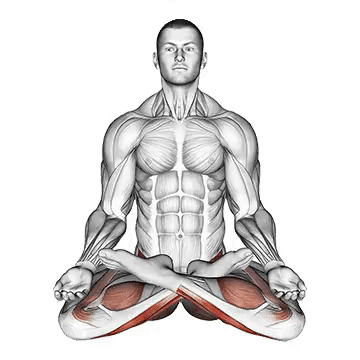
Flexibility and balance are essential for maintaining safe movement in everyday life. Activities such as yoga, pilates and tai chi are particularly effective for older adults.
Tai chi focuses on slow, controlled movements that improve balance, coordination and mental focus. Many older adults find tai chi helpful for relaxation and stress reduction.
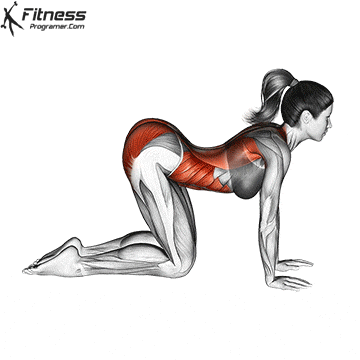
Yoga and pilates also provide gentle stretching and strengthening exercises that improve flexibility and balance. These activities help maintain posture, increase muscle strength and promote overall wellbeing.
Participating in a fitness class can also provide structure and motivation. Many classes designed for older adults offer modifications to suit different fitness levels and medical conditions.
Creating a Safe Exercise Routine
Before beginning any new exercise routine, older adults should consider their current health and any existing medical conditions. Consulting a healthcare professional can help ensure exercises are safe and appropriate.
Starting with a warm up is important to prepare the body for movement. Gentle stretching and slow movements help increase circulation and reduce the risk of injury.
Exercises should focus on controlled movement rather than speed. Gradually increasing intensity allows the body to adapt and improve strength safely.
Consistency is more important than intensity. Even short sessions of regular exercise performed each week can provide significant benefits over time.

The Long-Term Benefits of Staying Active
The long-term benefits of elderly fitness programs extend far beyond physical health. Staying active helps older adults maintain independence, improve confidence and enjoy a better quality of life.
Regular physical activity supports both body and mind. It helps maintain muscle strength, protect heart health and reduce stress. It also allows older adults to remain engaged with their community, meet new friends and continue participating in activities they enjoy.
Most importantly, exercise helps older people stay independent and maintain control over their daily life. Whether through walking, swimming, yoga or simple strengthening exercises, movement plays a vital role in healthy aging.
With the right support, encouragement and safe exercise routines, older adults can remain active, healthy and confident for many years to come.