
Contents
- Why Stretching Is Essential for Mobility and Pain Relief
- Key Areas Commonly Affected by Poor Mobility
- The 7 Essential Stretch Exercises
- How These Stretches Improve Posture
- Stretching for Pain Relief: What the Science Says
- How Often Should You Stretch?
- Common Stretching Mistakes to Avoid
- Who Can Benefit From These Exercises?
- Conclusion
- References
Modern life places unprecedented stress on the human body. Prolonged sitting, limited movement variety, repetitive tasks, and poor posture gradually reduce mobility and increase discomfort. Over time, these factors contribute to chronic stiffness, muscular imbalances, and persistent pain—particularly in the back, shoulders, hips, and neck.
Stretching is one of the most effective and accessible tools for reversing these effects. When performed correctly and consistently, targeted stretching improves joint mobility, muscular balance, posture, and pain tolerance.
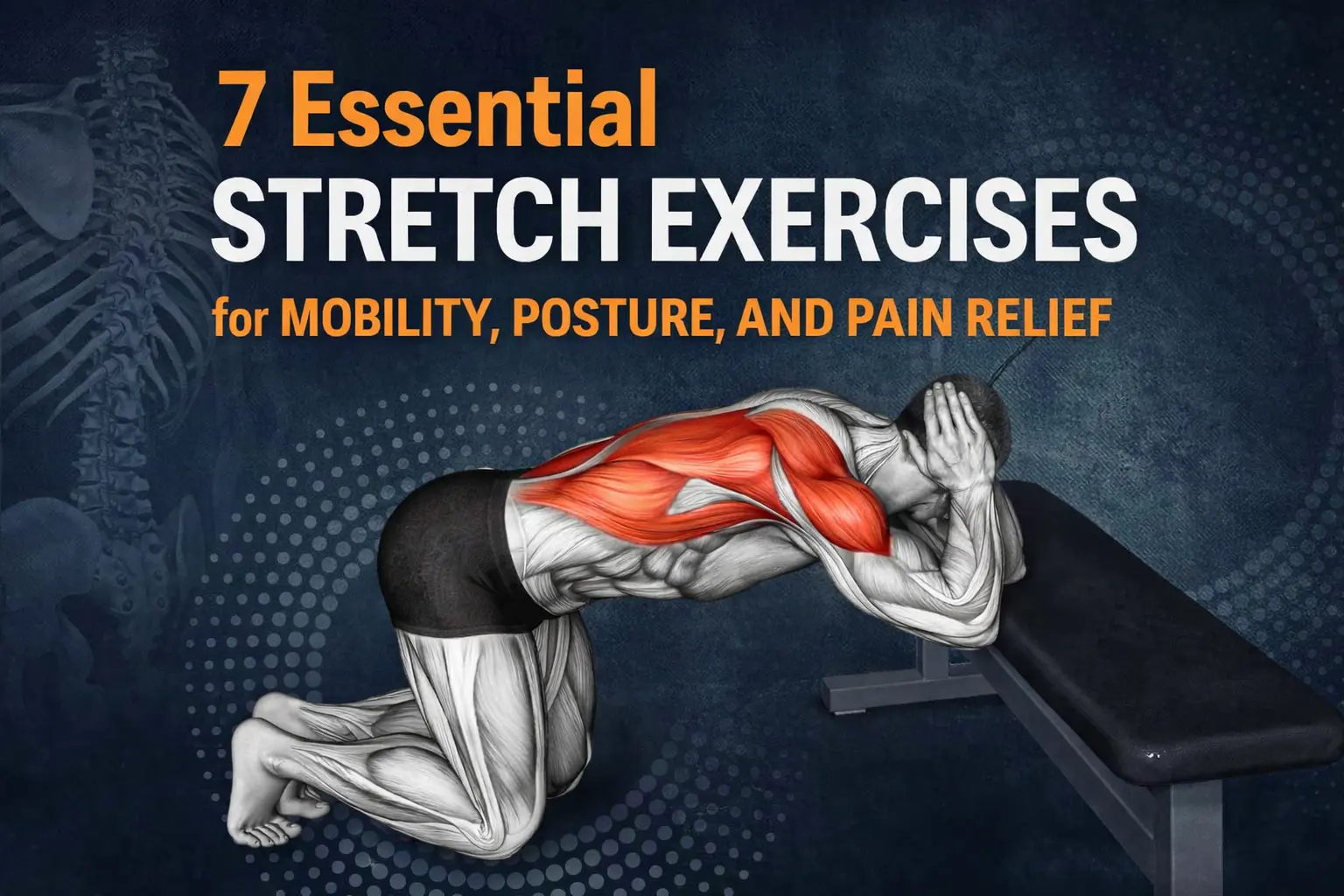
This article presents 7 essential stretch exercises for mobility, posture, and pain relief. These movements are simple, equipment-light, and suitable for most fitness levels. Together, they form a balanced stretching approach that addresses the most commonly restricted areas of the body.
Why Stretching Is Essential for Mobility and Pain Relief
Mobility is not just flexibility—it is the ability to move freely through a full range of motion with control. When mobility is compromised, the body compensates by overloading other joints and muscles, often leading to pain.
Key benefits of stretching include:
- Improved joint range of motion
- Reduced muscle stiffness and tension
- Better postural alignment
- Enhanced circulation and tissue hydration
- Decreased risk of injury
- Nervous system relaxation
Stretching also plays a critical role in pain modulation, helping reduce discomfort associated with muscle tightness and poor movement patterns.
Key Areas Commonly Affected by Poor Mobility
Most mobility restrictions develop in predictable areas:
- Upper back and shoulders
- Side body and rib cage
- Lower back
- Hips and pelvis
- Posterior chain (back of the body)
The following stretches specifically target these regions to restore functional movement and postural balance.
The 7 Essential Stretch Exercises
1. Standing Overhead Side Stretch
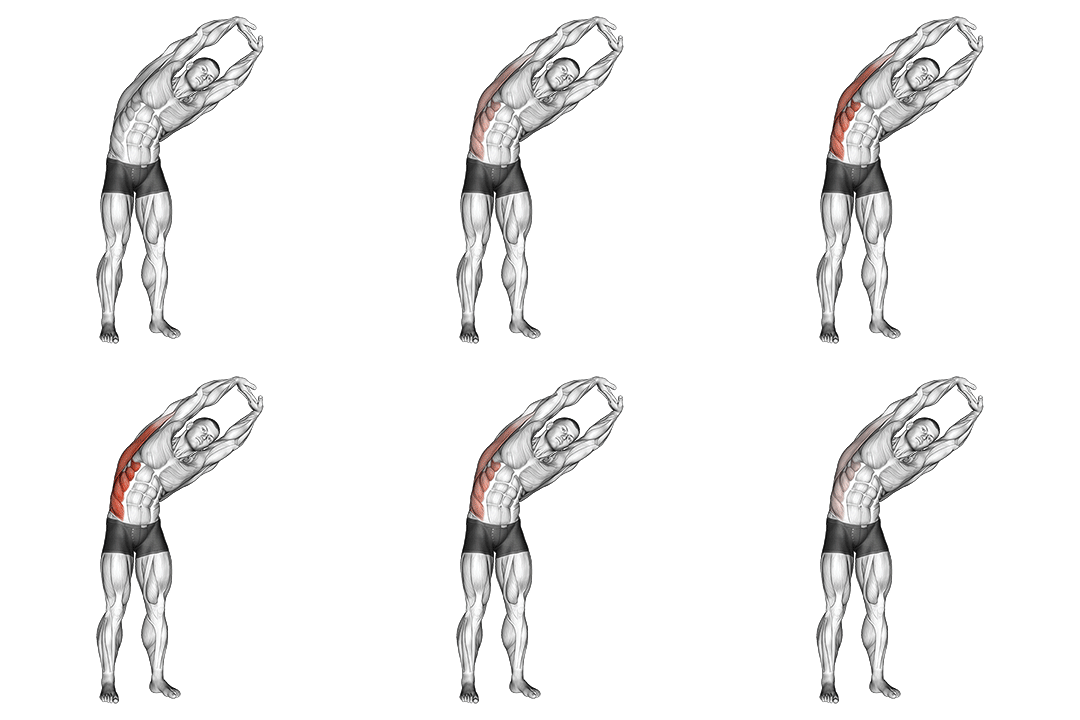
Target areas:
Side body, latissimus dorsi, obliques, rib cage
How to perform:
Stand upright with feet hip-width apart. Raise both arms overhead and clasp your hands. Gently lean your torso to one side while keeping hips stable. Hold, then switch sides.
Benefits:
This stretch lengthens the lateral chain of the body, improves spinal side bending, and increases rib cage mobility, which can enhance breathing efficiency.
2. Wall-Supported Stretch for Upper Back and Lats
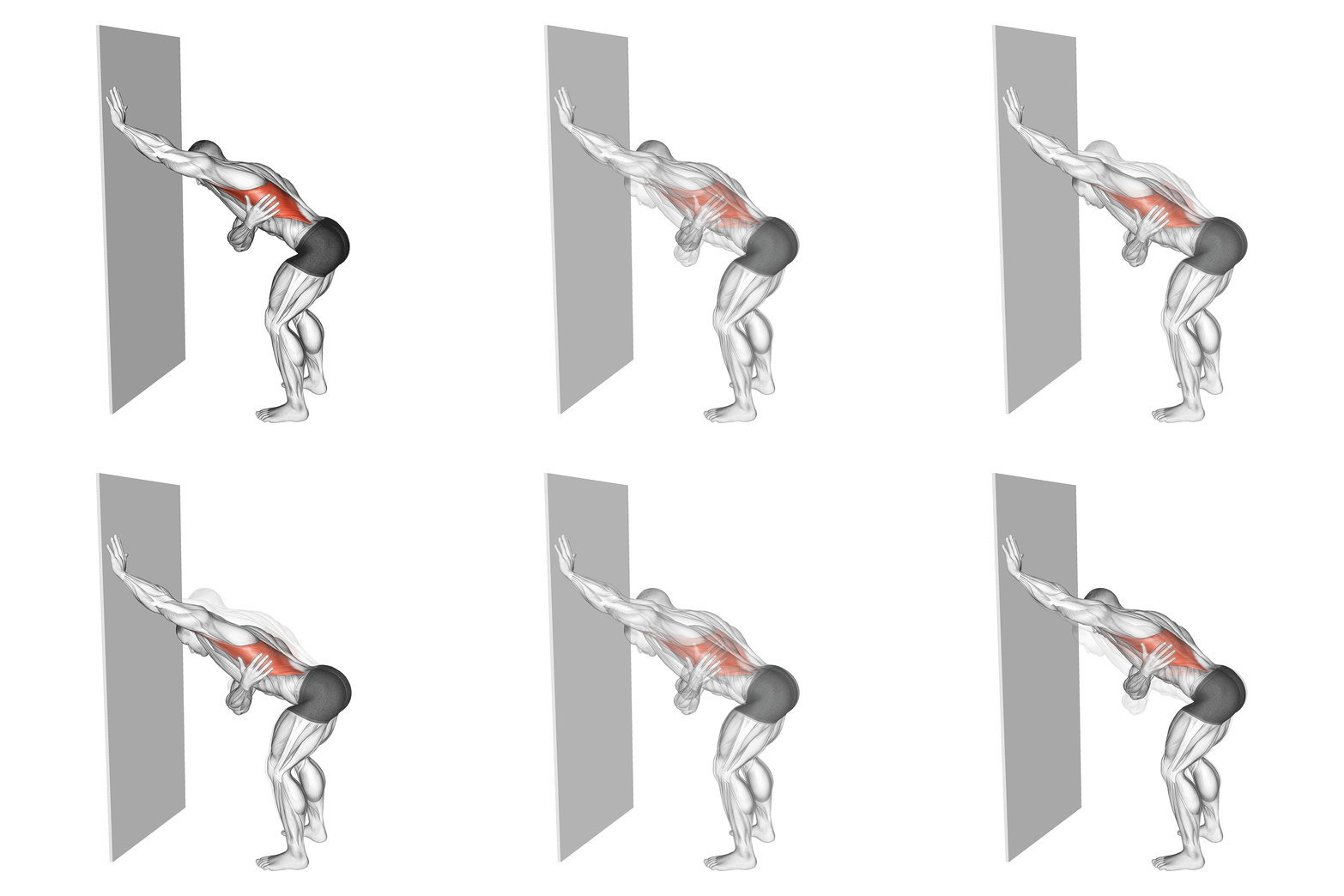
Target areas:
Upper back, shoulders, latissimus dorsi
How to perform:
Place one hand high on a wall. Step back slightly and hinge at the hips, allowing your chest to lower while keeping the spine long. Rotate gently away from the wall to deepen the stretch.
Benefits:
Helps restore overhead shoulder mobility and reduces upper-back stiffness caused by prolonged sitting or desk work.
3. Kneeling Stretch with Elevated Support
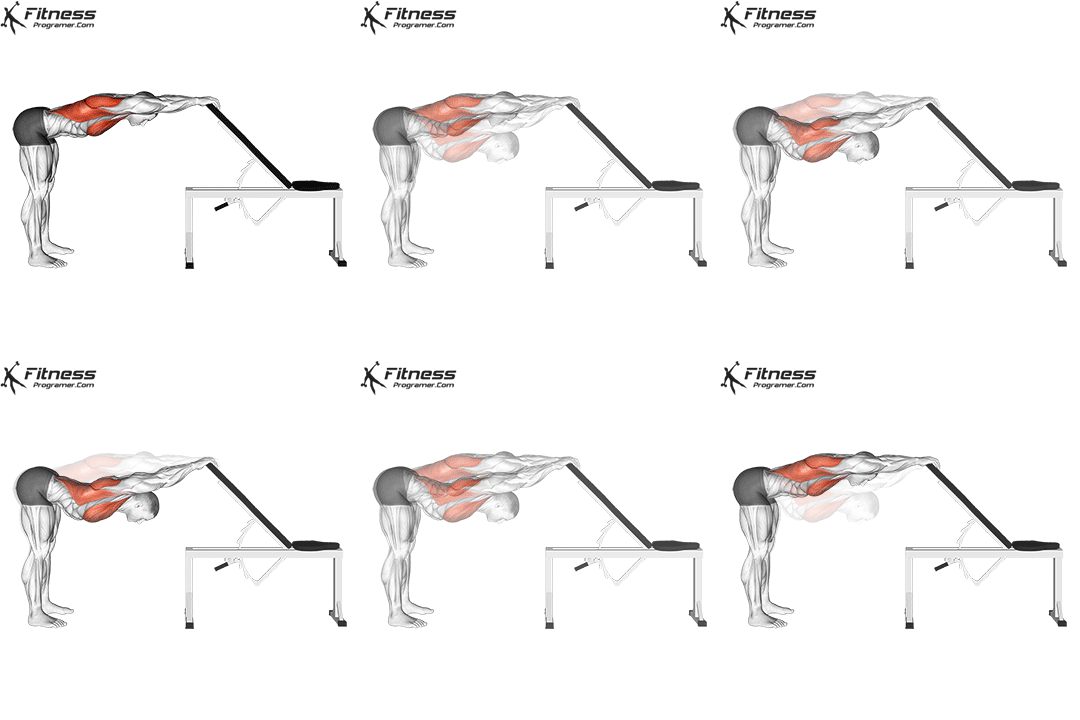
Target areas:
Pecs, Upper back, shoulders, spine, side body
How to perform:
Kneel in front of a bench or chair. Place your forearms or hands on the surface and sit your hips back. Let your chest drop downward while maintaining a neutral neck.
Benefits:
Encourages spinal extension and lengthens the muscles connecting the arms to the torso, improving posture and reducing back tension.
4. Quadruped Side Stretch (All-Fours Position)
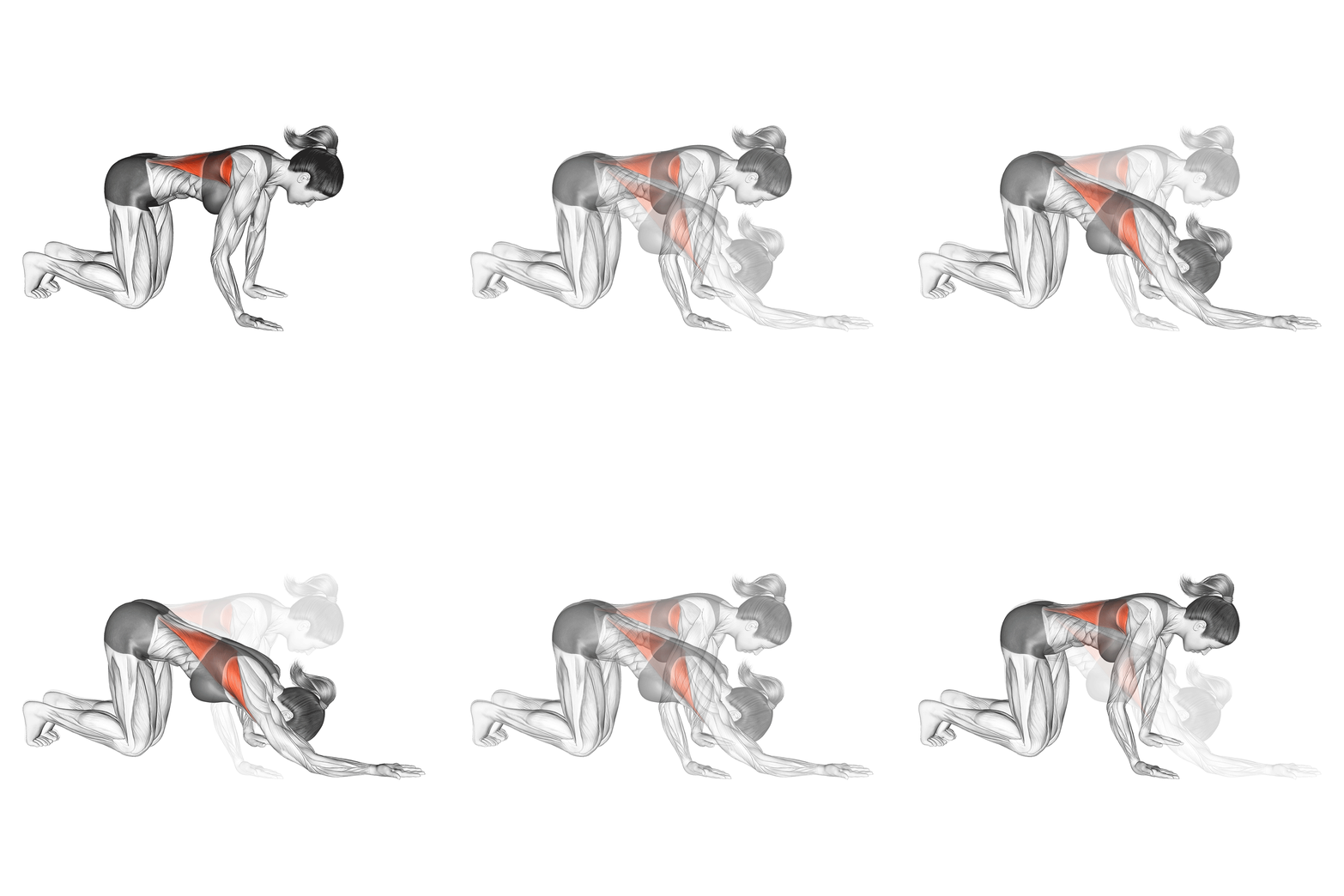
Target areas:
Side body, lower back, lats
How to perform:
Start on hands and knees. Walk your hands slightly to one side and sit your hips back toward your heels. Hold, then switch sides.
Benefits:
Provides a controlled, low-impact stretch that targets one side at a time, helping correct left-right mobility imbalances.
5. Standing Forward Fold Stretch
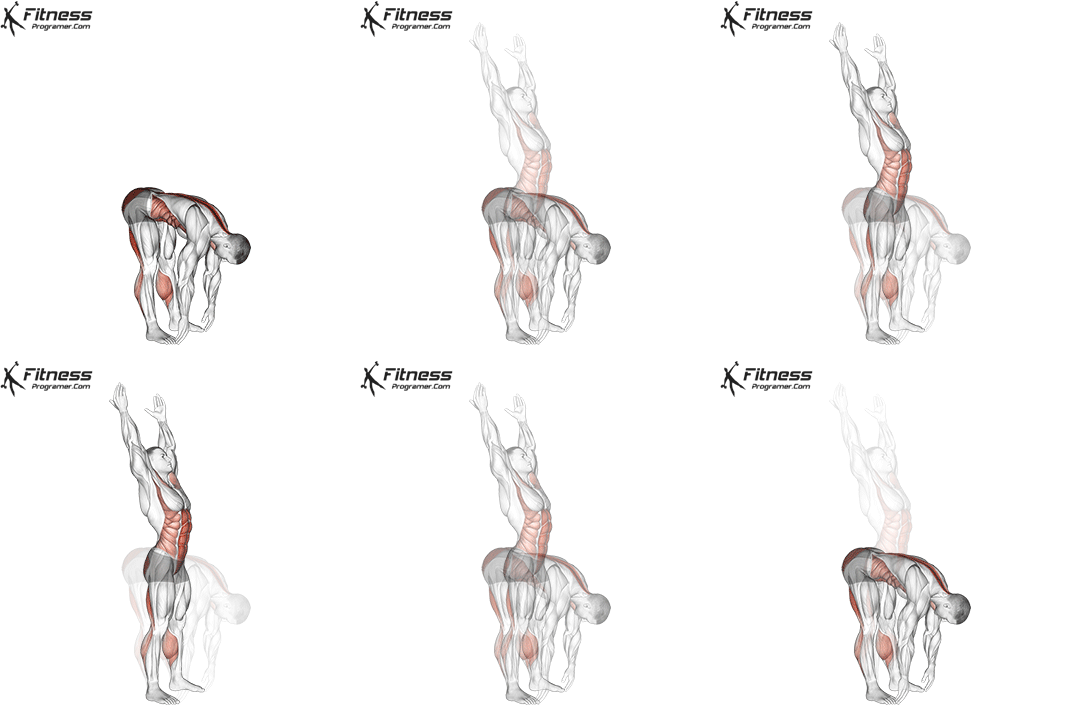
Target areas:
Lower back, hamstrings, upper back
How to perform:
From a standing position, hinge forward at the hips and allow your arms to hang freely. Relax the neck and upper back. Optionally, hold opposite elbows.
Benefits:
Decompresses the spine, reduces posterior chain tightness, and promotes relaxation through gentle spinal traction.
6. Kneeling Bench Prayer Stretch
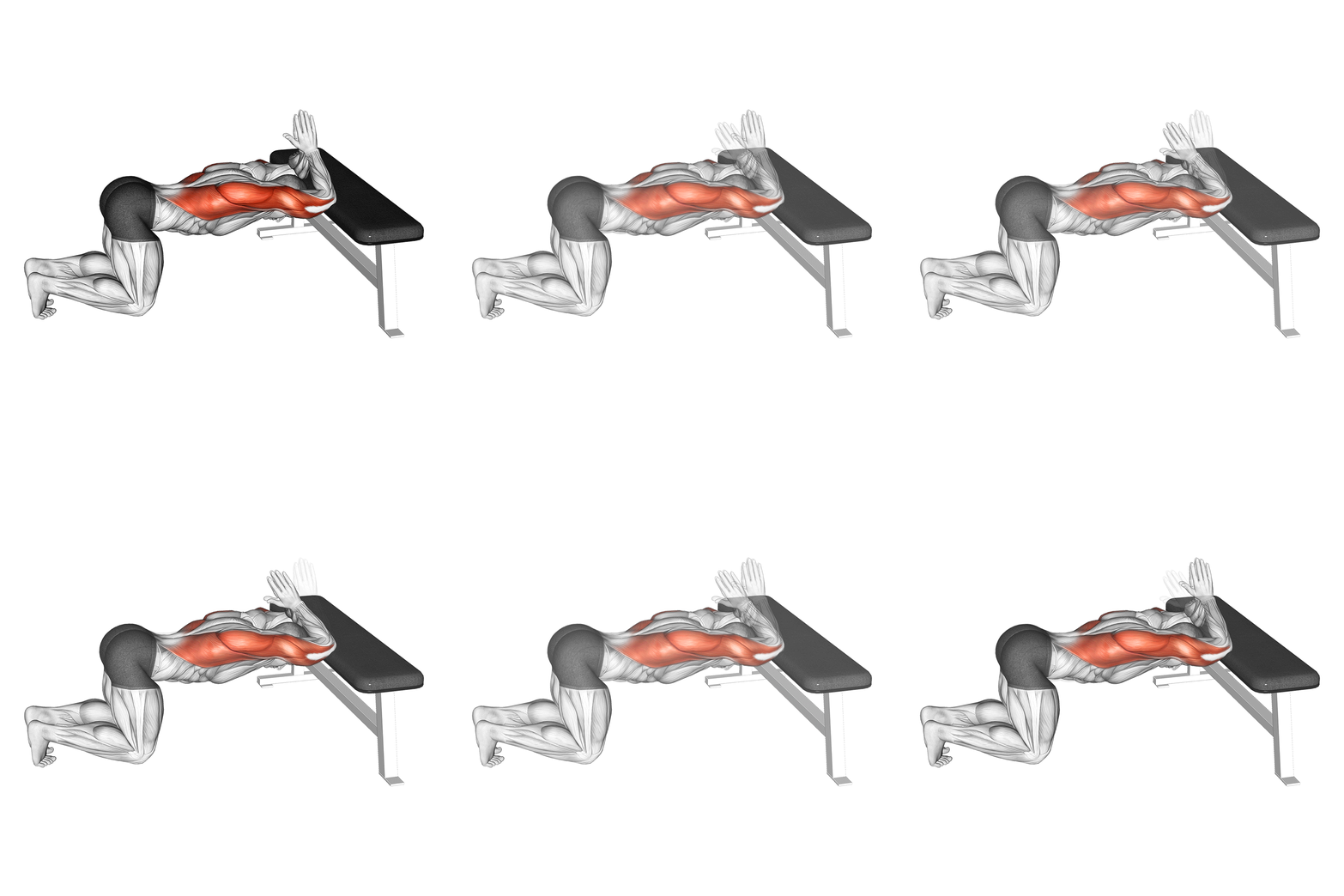
Target areas:
Upper back, shoulders, side body
How to perform:
Kneel in front of a bench or chair. Place elbows on the surface. Sit hips back and lower chest toward the floor.
Benefits:
Improves thoracic spine mobility and counteracts rounded shoulder posture.
7. Bodyweight Lumbar Extension Stretch
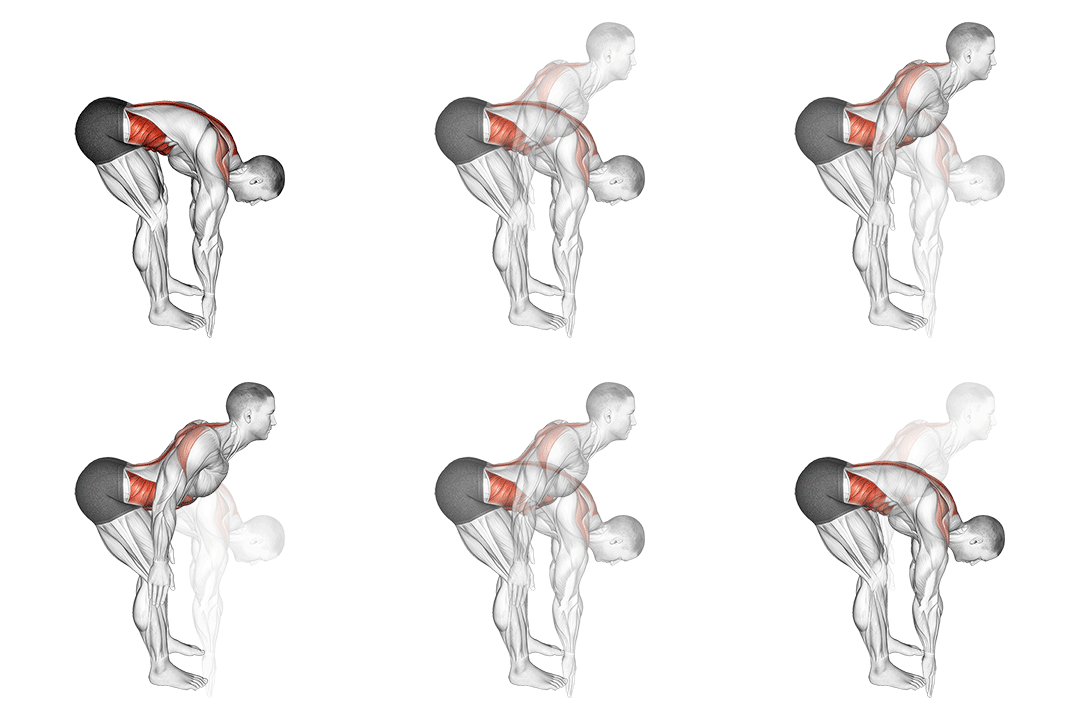
Target areas:
Lower back, spinal extensors, abdominal fascia
How to perform:
From a bent position, gently extend your spine backward while lightly engaging the glutes. Avoid forcing the movement.
Benefits:
Balances excessive spinal flexion caused by sitting and helps restore healthy spinal extension.
How These Stretches Improve Posture
Poor posture often results from tight muscles pulling the body out of alignment. These stretches address:
- Rounded shoulders
- Forward head posture
- Excessive spinal flexion
- Asymmetrical side bending
By restoring length and mobility to key muscle groups, the body naturally returns to a more upright and balanced posture.
Stretching for Pain Relief: What the Science Says
Research shows that regular stretching can:
- Reduce muscle-related pain
- Improve pain tolerance
- Decrease nervous system sensitivity
- Enhance tissue elasticity
Stretching is especially effective for managing non-specific lower back pain and postural discomfort, particularly when combined with proper breathing.
How Often Should You Stretch?
For general mobility:
3–5 times per week
For pain relief or desk-related stiffness:
Daily
Hold duration:
15–25 seconds per stretch
2–3 rounds per movement
Consistency matters more than intensity.
Common Stretching Mistakes to Avoid
- Forcing the stretch beyond comfort
- Holding breath during movement
- Collapsing posture instead of lengthening
- Ignoring unilateral differences
Stretching should feel relieving—not painful.
Who Can Benefit From These Exercises?
These stretches are suitable for:
- Office workers
- Athletes and gym-goers
- Older adults
- Beginners to exercise
- Individuals experiencing mild back or shoulder discomfort
Always consult a professional if pain is severe or persistent.
Conclusion
The 7 essential stretch exercises for mobility, posture, and pain relief outlined in this guide offer a simple yet powerful approach to improving how your body moves and feels. By addressing commonly restricted areas and encouraging balanced movement, these stretches help reduce discomfort, restore posture, and support long-term physical health.
Incorporating them into your daily or weekly routine can lead to noticeable improvements in flexibility, comfort, and overall quality of movement.
References
- Behm, D. G., & Chaouachi, A. (2011). A review of the acute effects of static and dynamic stretching on performance. European Journal of Applied Physiology.
- McGill, S. (2016). Low Back Disorders: Evidence-Based Prevention and Rehabilitation. Human Kinetics.
- Wilke, J., et al. (2019). Stretching and fascial tissue adaptations. Frontiers in Physiology.
- Kendall, F. P., et al. (2005). Muscles: Testing and Function with Posture and Pain.
- Schleip, R., et al. (2012). Fascia as a sensory organ. Journal of Bodywork & Movement Therapies.