Seated Chest Stretch

24 Feb

Seated Chest Stretch Overview

The Seated Chest Stretch is a static stretching exercise that focuses on lengthening the pectoralis major and minor muscles, as well as the anterior deltoids. It is particularly beneficial for those who spend long hours sitting, as it helps counteract poor posture and tightness in the chest muscles.

This stretch is commonly used in warm-ups, cool-downs, rehabilitation programs, and posture correction routines.

It is an effective stretch for:

  • Improving posture by reducing forward shoulder rounding
  • Enhancing flexibility for strength training and athletic performance
  • Relieving muscle tightness caused by prolonged sitting or poor posture

How to Perform the Seated Chest Stretch

Seated Chest Stretch

Step-by-Step Guide

  1. Start in a Seated Position:

    • Sit on the floor with your legs bent and feet flat on the ground.
    • Put your hands behind your back, fingers facing your body.
  2. Engage the Stretch:

    • Push your chest upward and forward, opening your shoulders and chest.
    • Keep your arms slightly bent but stable to avoid excessive pressure on the wrists.
  3. Hold the Position:

    • Maintain the stretch for 10 to 20 seconds while breathing deeply.
    • Feel the gentle stretch across your chest and shoulders without straining.
  4. Release Slowly:

    • Relax and return to the starting position.
    • Repeat for 2 to 3 sets, adjusting intensity as needed.

Tips for Proper Form

  1. Keep your shoulders relaxed and avoid shrugging.
  2. Maintain a slight bend in the elbows to reduce joint strain.
  3. Breathe deeply to enhance relaxation and stretch effectiveness.
  4. Adjust hand placement to find the most comfortable position.
  5. Avoid arching the lower back excessively to prevent discomfort.

Common Mistakes to Avoid

  • Overextending the lower back, leading to discomfort or strain.
  • Placing the hands too close, reducing stretch effectiveness.
  • Holding the breath, which limits relaxation and flexibility.
  • Forcing the stretch, which can lead to muscle tightness or injury.
  • Neglecting posture—ensure the chest is lifted and shoulders are drawn back.

Benefits of the Seated Chest Stretch

1. Improves Chest and Shoulder Flexibility

This stretch enhances range of motion in the pectoralis and shoulder muscles, which is beneficial for strength training and athletic performance.

2. Promotes Better Posture

By opening up the chest and counteracting forward shoulder rounding, this stretch helps reduce slouching and improves postural alignment.

3. Relieves Muscle Tension

It helps release tightness caused by sitting for long periods, weightlifting, or repetitive movements.

4. Enhances Recovery and Injury Prevention

Regular stretching of the chest muscles reduces the risk of muscle imbalances and injuries, especially for individuals who perform pressing movements or overhead exercises.

5. Supports Deep Breathing and Relaxation

Stretching the chest muscles allows for better rib expansion, improving breathing capacity and relaxation.

How to Include It in Your Routine

  1. Post-Workout Recovery: Perform after upper body workouts to improve flexibility.
  2. Daily Mobility Routine: Use to counteract chest tightness from prolonged sitting or poor posture.
  3. Pre-Workout Warm-Up: Perform for 10-15 seconds to prepare for chest exercises.
  4. Rehabilitation and Posture Training: Use as part of physical therapy or corrective exercise programs.

Muscles Worked

Pectoralis Major (Chest)
Anterior Deltoid
Biceps Brachii
Upper Back
Rectus Abdominis
trx chest fly muscles worked
24 Feb

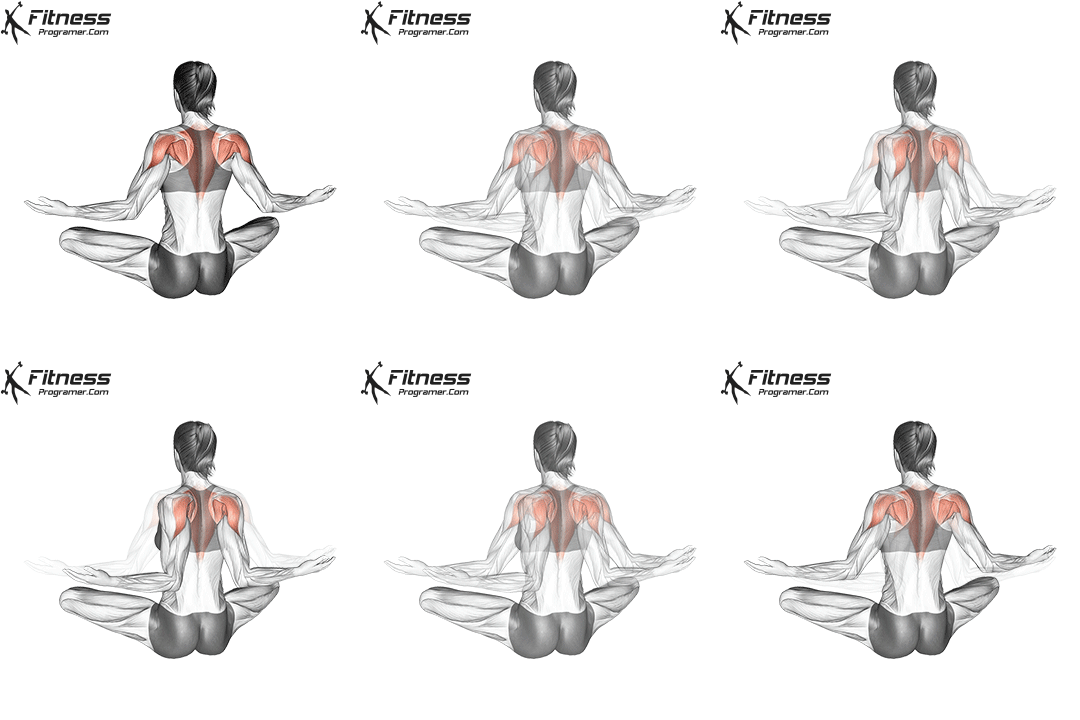
Seated Ballerina Exercise

Seated Ballerina Exercise

Seated Ballerina Exercise / Benefits

  • Shoulder mobility is important for both strengthening and stretching. This exercise can help stabilize and strengthen the scapular muscles while providing range of motion in the shoulders and upper back.


Muscles Worked 

Shoulder
Scapula
Trapezius
Rhomboids
Chest
SCAPULAR RETRACTION
24 Feb

Seated Scapular Retraction Exercise

Seated Scapular Retraction Exercise

To perform this exercise, sit or stand in an upright position. Then, squeeze your shoulder blades together and draw them down wards.

Scapular Retraction / Benefits

Stabilizing and strengthening the scapular muscles can:

  • Increases range of motion (helps increase your ability to reach)
  • Helps reduce pain in your shoulder and neck
  • improves your posture
  • Increases your stamina to hold certain positions longer


Muscles Worked 
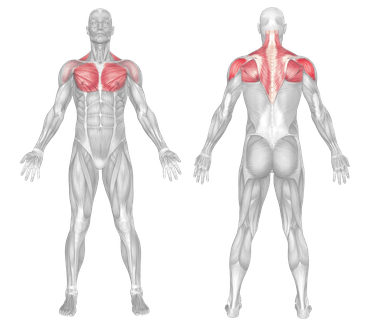
Scapula
Trapezius
Rhomboids
Shoulder
Chest
SCAPULAR RETRACTION
24 Feb

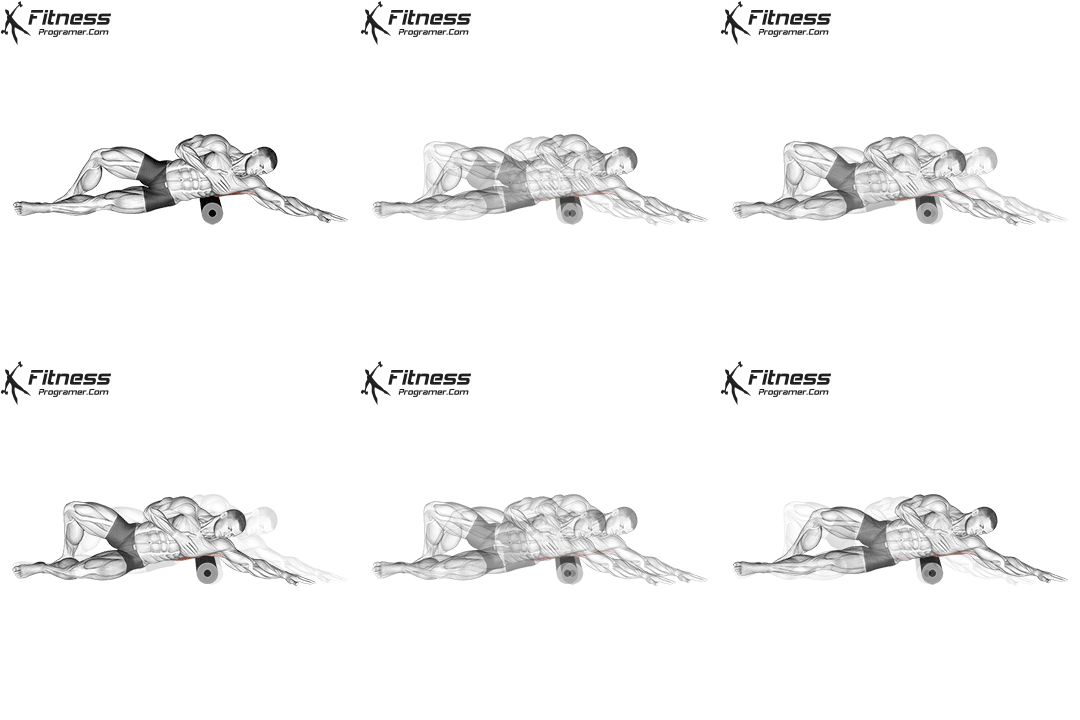
Foam Roller IT (iliotibial Band) Stretch

Foam Roller IT (iliotibial Band) Stretch

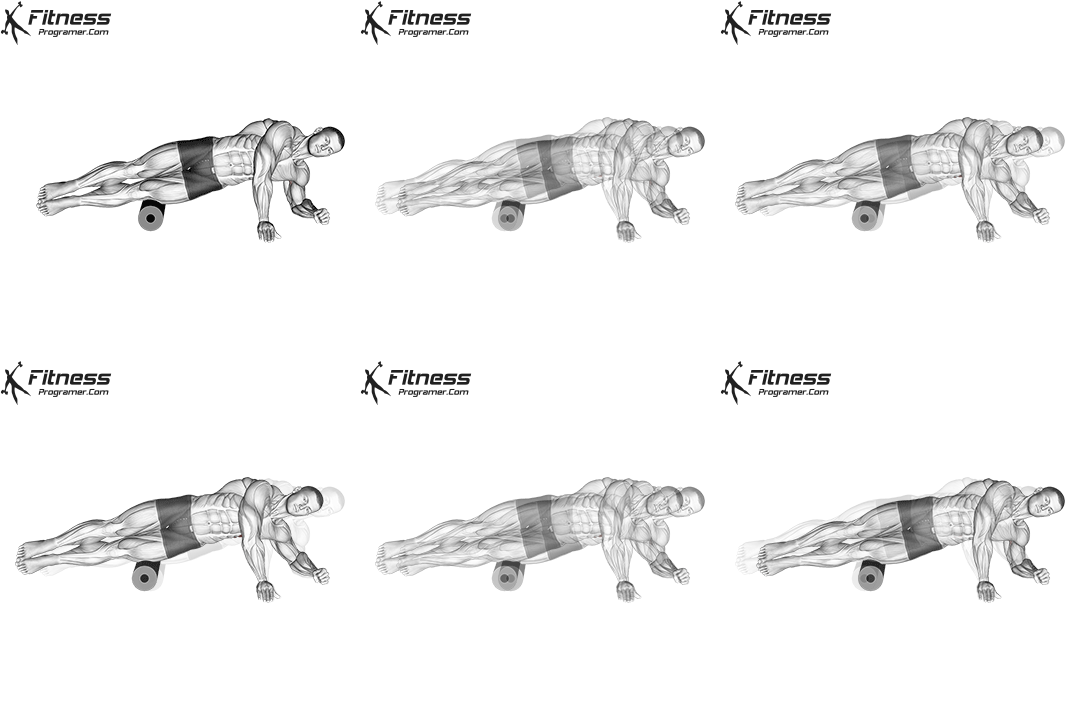
1- Lie on your right side with the roller positioned beneath the outside of your thigh, just below your hip. Propping yourself up on the right forearm, with your left hand on your hip, cross your left leg over the right, placing your left foot flat on the floor for support.

2- Using your right forearm, gently push your body over the roller so that the outside of your right thigh slides up and down the roller, as far as your knee. Slide back the opposite way to your hip. Repeat for at least 30 seconds, then swap sides.

Benefits

  • This exercise loosens your iliotibial band (ITB), the band of muscular tissue on the outside of your upper leg, and helps general mobility in your glutes and hip muscles.
24 Feb

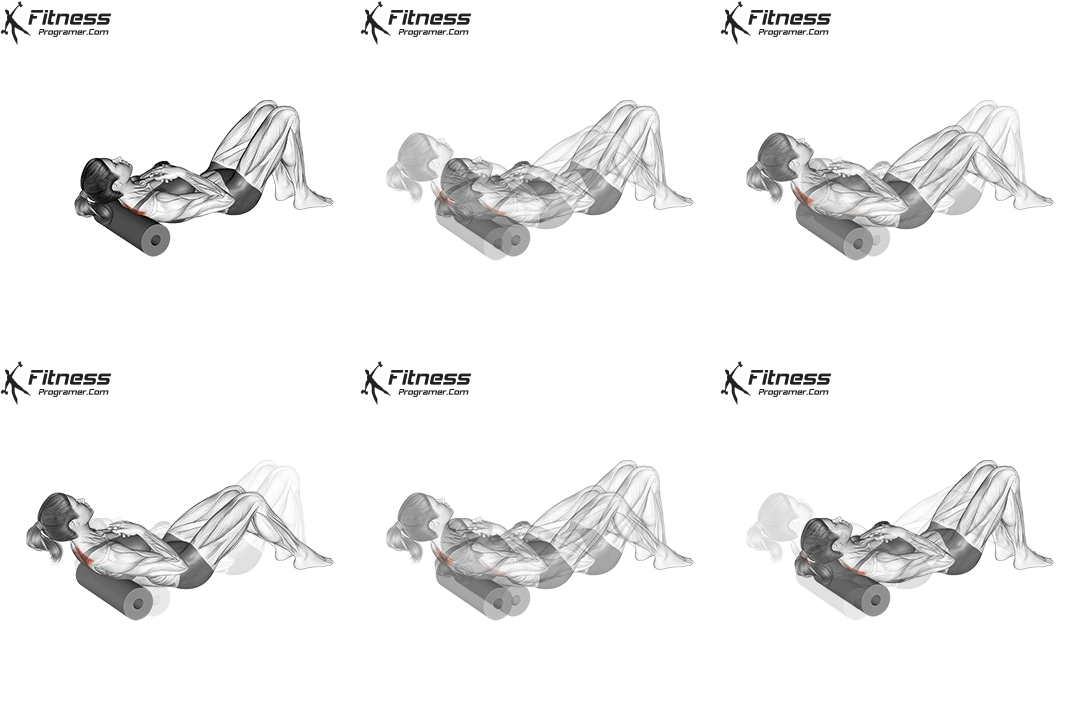
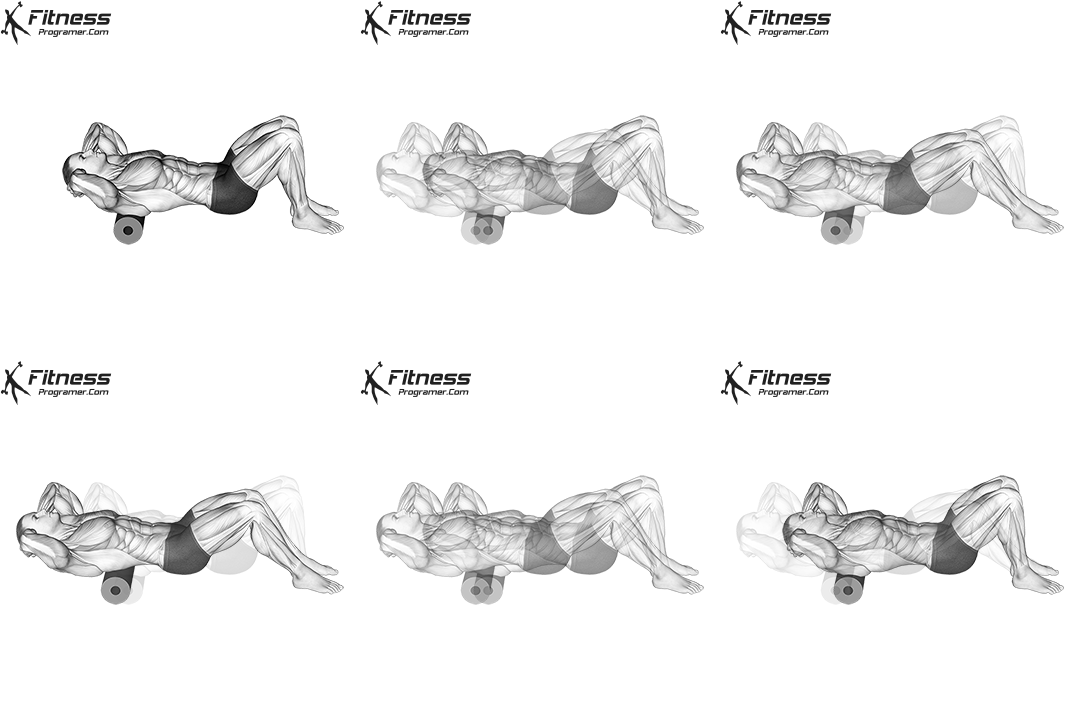
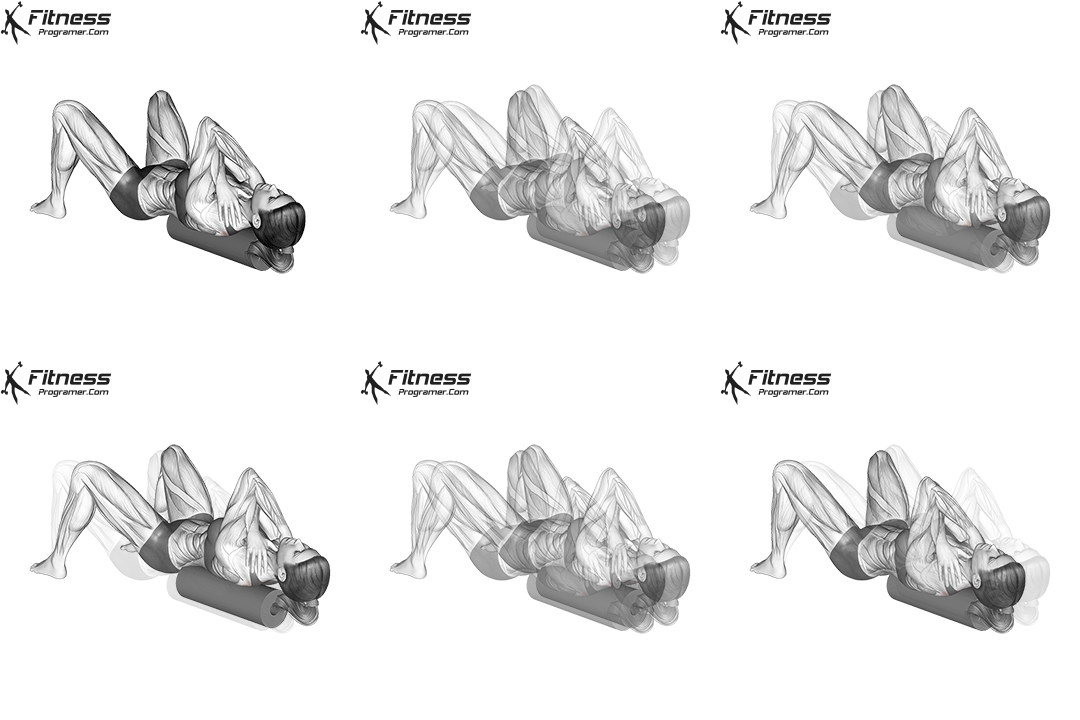
How to: Foam Roller Back Stretch

Foam Roller Back Stretch

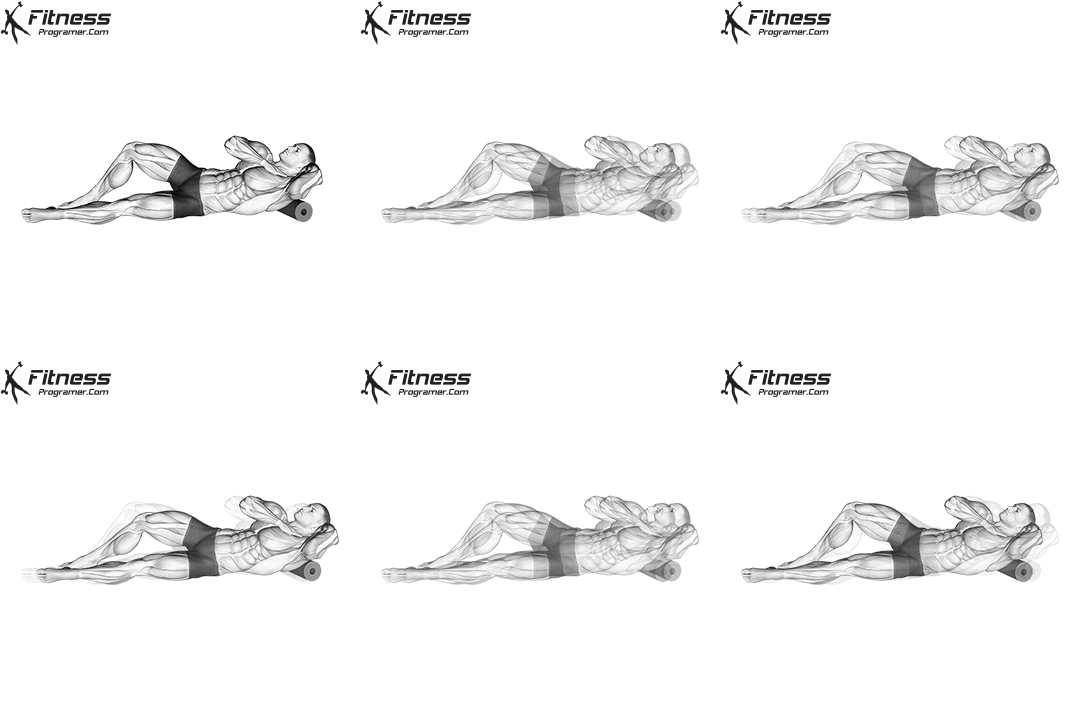
Step 1: Sit with your heels planted on the floor and the roller beneath the middle of your back. Lie back onto the roller so that it is just below your shoulder blades. Clasp your hands together and lightly cradle your head.

Step 2: With your chin tucked in, slide up and down the roller, from your neck down to the level of your lowest ribs, but do not go too low into your lumbar spine. Repeat the exercise for at least 30 seconds.
24 Feb

Foam Roller Glutes

Foam Roller Glutes

Sit on the roller with your right buttock and cross your right leg over the left leg. Rolling backward and forward, work on the outside of your buttock before shifting your weight to the middle of the buttock. Repeat for at least 30 seconds before switching sides.

Benefits

  • This exercise loosens up the gluteals at the outside of your buttocks and the piriformis toward the middle of them.