
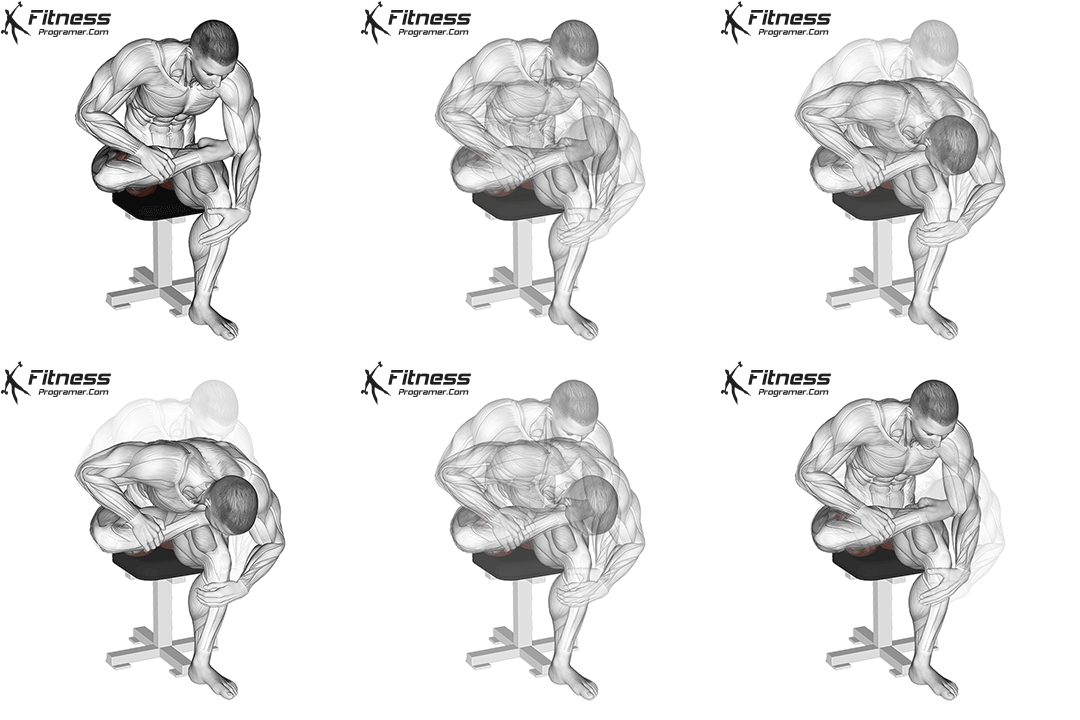
How to do Seated Piriformis Stretch
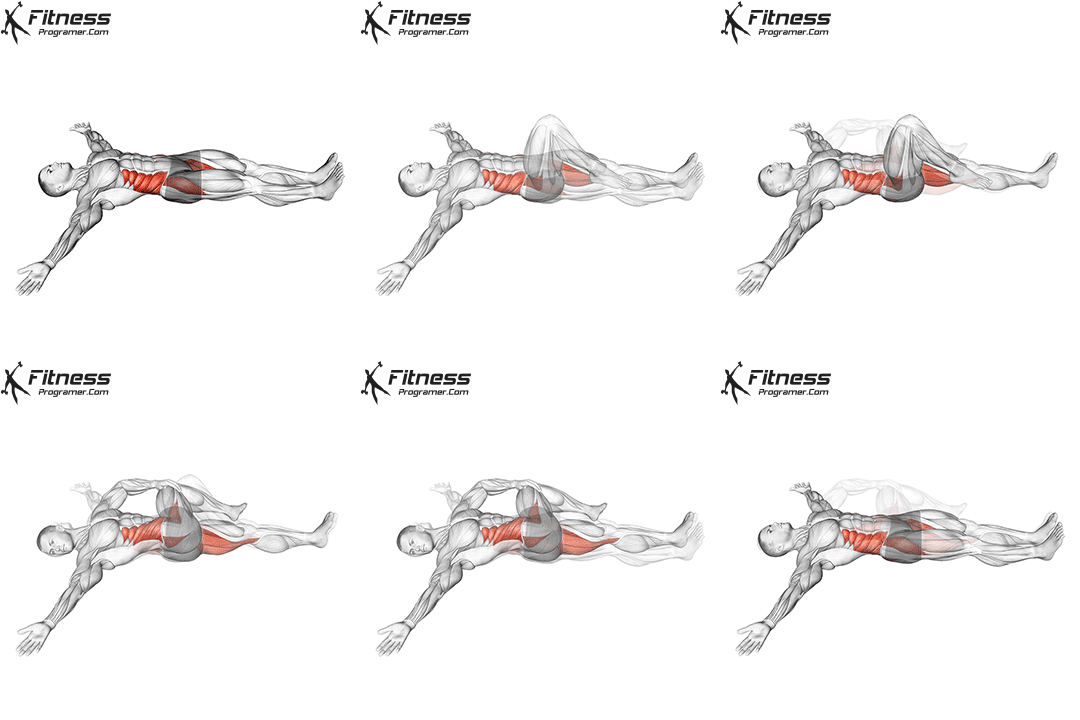
How to: Supine Spinal Twist / Supta Matsyendrasana
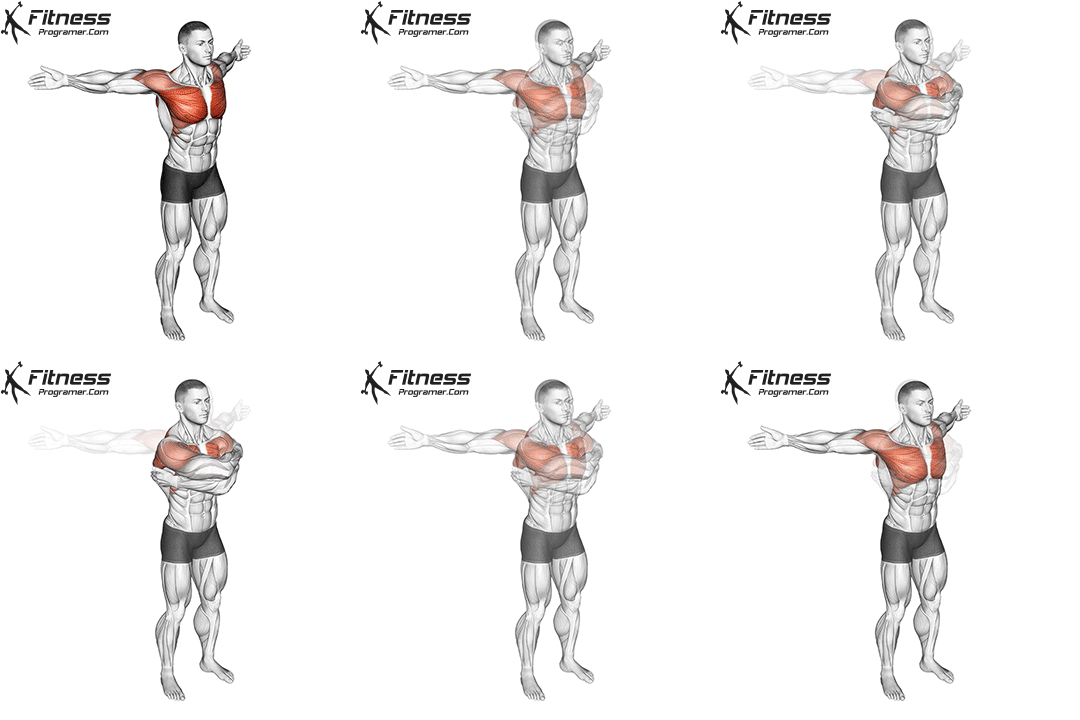
How to: Back Slaps Wrap Around Stretch
Overview
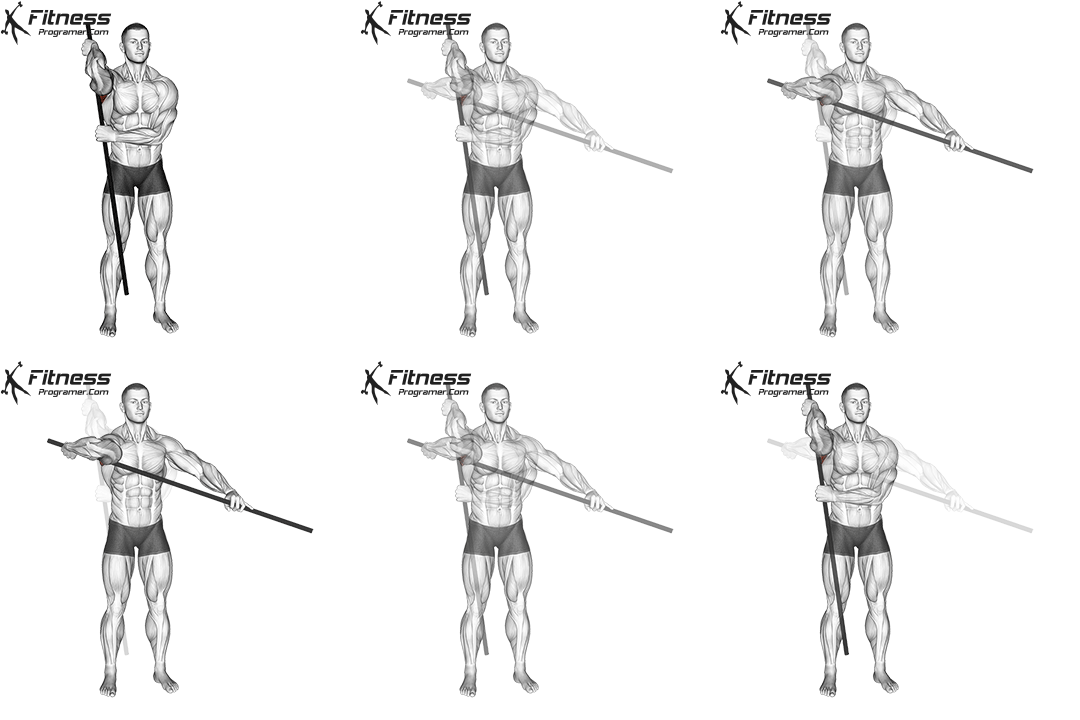
The Front Rack PVC Stretch is a mobility drill that uses a light PVC pipe to mimic the front rack position with an emphasis on alignment and joint range of motion. By holding the PVC with elbows lifted and upper arms parallel to the ground, it opens the thoracic spine and stretches the wrists and shoulders. It’s commonly used in Olympic lifting warm-ups and corrective mobility sessions.
How to do perform Front Rack PVC Stretch
Grip a PVC pipe at shoulder-width, with palms facing up (supinated grip).
Lift the pipe up to chest level, mimicking the front rack position.
Raise your elbows until they are parallel with the ground.
Pull the bar lightly into your neck or collarbone, keeping wrists extended and shoulders externally rotated.
Hold the position for 20–30 seconds, keeping the upper back upright and the ribcage down.
Repeat for 2–3 sets, breathing deeply to enhance relaxation and range of motion.
Tips for Proper Form
Keep elbows lifted and parallel with the floor throughout the stretch.
Avoid shrugging the shoulders up toward the ears.
Use a relaxed grip to avoid excessive tension in the forearms.
Engage your core to prevent excessive arching in the lower back.
Focus on deep, steady breathing to improve stretch depth and control.
Common Mistakes
Elbows dropping too low, reducing the stretch in the upper arms and shoulders.
Overextending the lower back, which compensates for poor thoracic mobility.
Gripping the PVC too tightly, causing unnecessary wrist tension.
Shrugging the shoulders, reducing isolation of the front rack mobility targets.
Leaning forward, taking tension off the targeted joints.
Benefits of the Front Rack PVC Stretch
Improves Front Rack Position: Helps achieve a more upright torso and better bar support during cleans and front squats.
Increases Wrist Flexibility: Stretches the wrist extensors, reducing discomfort during barbell lifts.
Enhances Shoulder External Rotation: Improves joint alignment for overhead and rack positions.
Promotes Thoracic Extension: Opens up the upper back for better posture and breathing mechanics.
Reduces Risk of Injury: Addresses common tightness in the rack position, reducing strain on wrists and elbows.
Improves Lifting Efficiency: Enables stronger, more technically sound front squats and Olympic lifts.
Works Well in Warm-Ups: Simple and portable for pre-lift routines, movement prep, or cool-downs.
How to Incorporate Into Your Routine
- For Beginners: Hold the stretch for 20 seconds, 2–3 rounds, before cleans or front squats.
- For Olympic Lifters: Use as part of a warm-up to prepare for cleans, jerks, and overhead work.
- For Strength Athletes: Add between sets to maintain mobility during front rack sessions.
- For Functional Training: Use in prep circuits or mobility flows involving loaded carries or rack holds.
- For General Fitness: Include in flexibility routines to combat postural tightness from sitting or desk work.
- For Recovery Days: Use as a gentle mobility tool to maintain shoulder and wrist health.
Muscles Worked
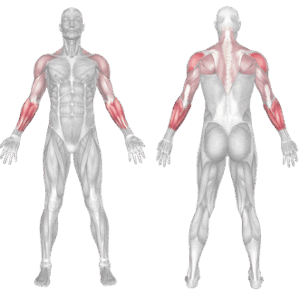
Frequently Asked Questions
Is the front rack PVC stretch good for wrist pain?
Yes. It helps stretch tight wrist extensors, but modify or reduce intensity if discomfort increases.
Can I do this daily?
Absolutely. Light daily mobility work improves long-term joint health and range of motion.
What can I use instead of a PVC pipe?
A broomstick, wooden dowel, or light bar will also work.
Why are my elbows dropping during the stretch?
You may have limited shoulder or triceps mobility. Practice consistently and gradually increase range.
Does it help my clean technique?
Yes. A more mobile and upright front rack position improves bar placement, stability, and transition to the squat.
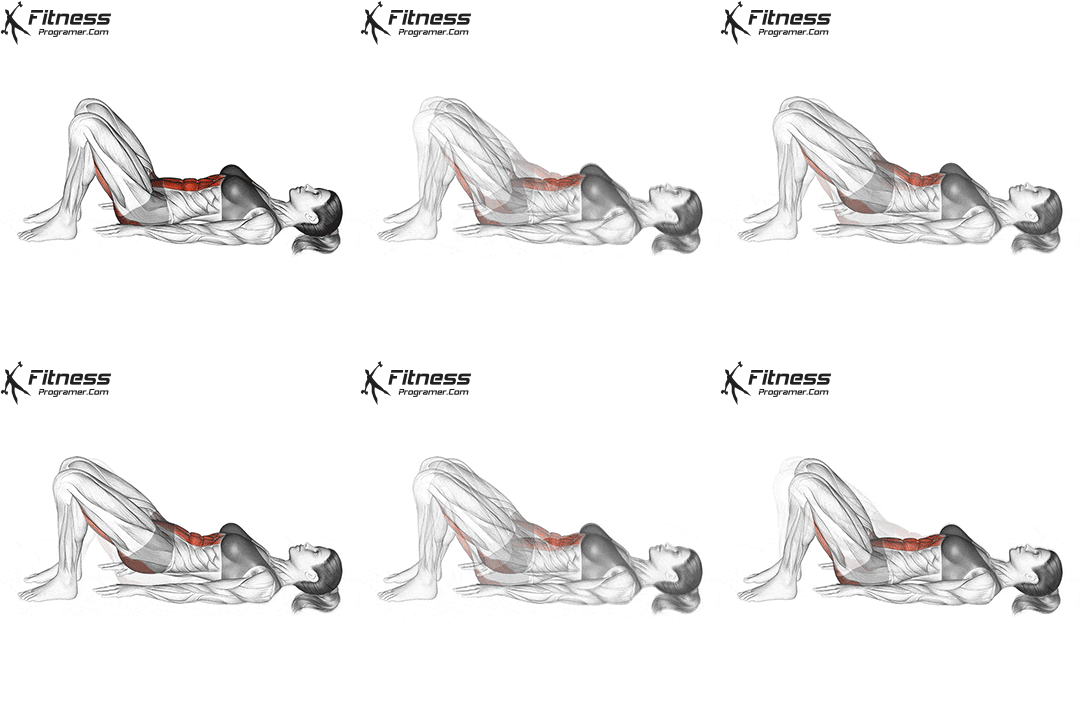
Pelvic Tilt
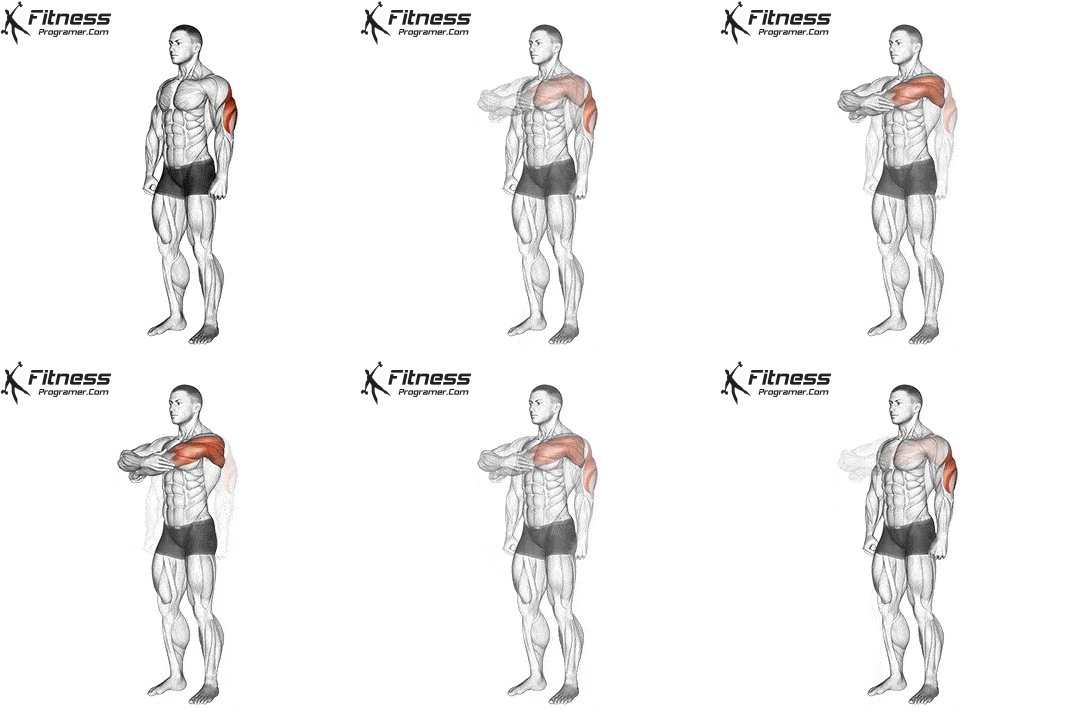
Standing Triceps Stretch
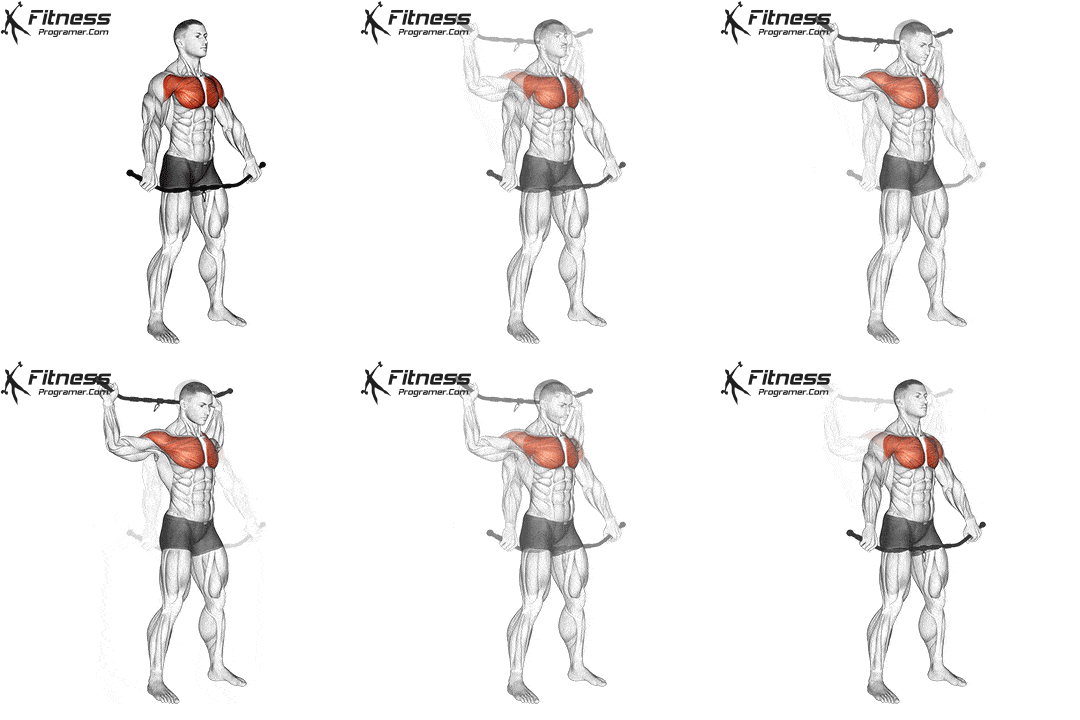
Chest and Front of Shoulder Stretch
Overview
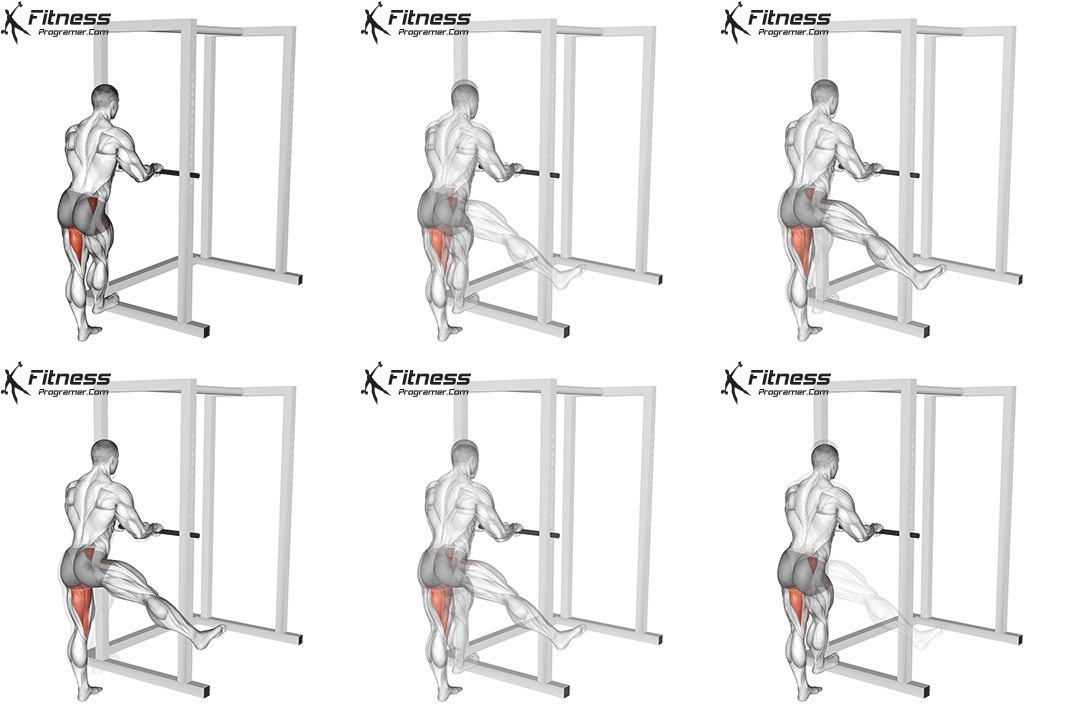
Lateral leg swings are a dynamic mobility drill used to loosen the hips, activate the glutes, and prepare the lower body for physical activity. Performed by swinging the leg side to side across the body, this exercise enhances range of motion, balance, and coordination. It’s commonly used in warm-ups for running, squats, lunges, and sports that demand lateral movement.
How to do perform Lateral Leg Swings
Stand upright near a wall or pole for balance, with feet shoulder-width apart.
Shift weight onto one leg, keeping the supporting leg slightly bent.
Swing the opposite leg side to side in front of the body in a controlled arc.
Keep the torso upright and avoid twisting the spine or shoulders.
Perform 10–15 swings per leg, gradually increasing range of motion with each repetition.
Tips for Proper Form
Engage your core to stay upright and stable.
Keep the swinging leg straight, but not locked.
Avoid forcing the range of motion—let it increase naturally.
Use a steady tempo, not a jerky or rushed movement.
Maintain a neutral spine, and avoid excessive upper-body movement.
Common Mistakes
Rotating the torso instead of isolating the hips.
Swinging too fast or forcefully, risking strain or poor control.
Locking the support leg, which reduces balance and joint safety.
Using momentum instead of muscle activation.
Letting the leg drop too low, reducing the effectiveness of the stretch.
Benefits of the Lateral Leg Swings
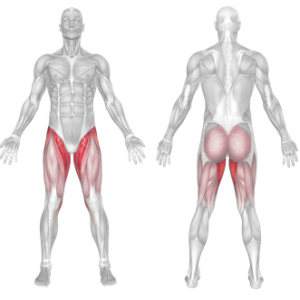
Improves Hip Mobility: Increases range of motion in the hip joint, targeting tight abductors and adductors.
Activates Lower Body Muscles: Engages the glutes, hip flexors, and stabilizers, prepping them for training.
Enhances Dynamic Flexibility: Promotes better movement during workouts by improving flexibility through motion.
Supports Injury Prevention: Helps reduce tightness that contributes to muscle strain or joint discomfort.
Boosts Athletic Performance: Enhances lateral movement and leg control, especially in running and field sports.
Improves Balance and Coordination: Challenges stability on the standing leg and improves proprioception.
Ideal for Warm-Ups: Quickly prepares the hips and lower body without equipment or long setup.
How to Incorporate Into Your Routine
- For Beginners: Perform 1–2 sets of 10–12 swings per leg before lower-body workouts.
- For Strength Prep: Use in warm-ups before squats, deadlifts, or lunges to increase joint readiness.
- For Functional Training: Use as part of a movement prep series with high knees, leg cradles, or arm swings.
- For General Fitness: Use before walking, running, or group classes to loosen tight hips.
- For Recovery Days: Include in active recovery routines to improve circulation and reduce tightness.
Muscles Worked
Frequently Asked Questions
How high should I swing my leg?
Only as high as your mobility allows without losing balance or twisting the torso. Gradually increase height with practice.
Can I do this every day?
Yes. Lateral leg swings are low-impact and ideal for daily mobility and warm-ups.
Should I hold onto something?
Yes, especially for beginners. A wall or pole helps maintain balance and proper form.
Are these good for running warm-ups?
Absolutely. They activate hip muscles and increase range of motion for better stride mechanics.
Can I combine them with forward leg swings?
Yes. Use both directions to prepare for multi-plane movement and improve full hip mobility.
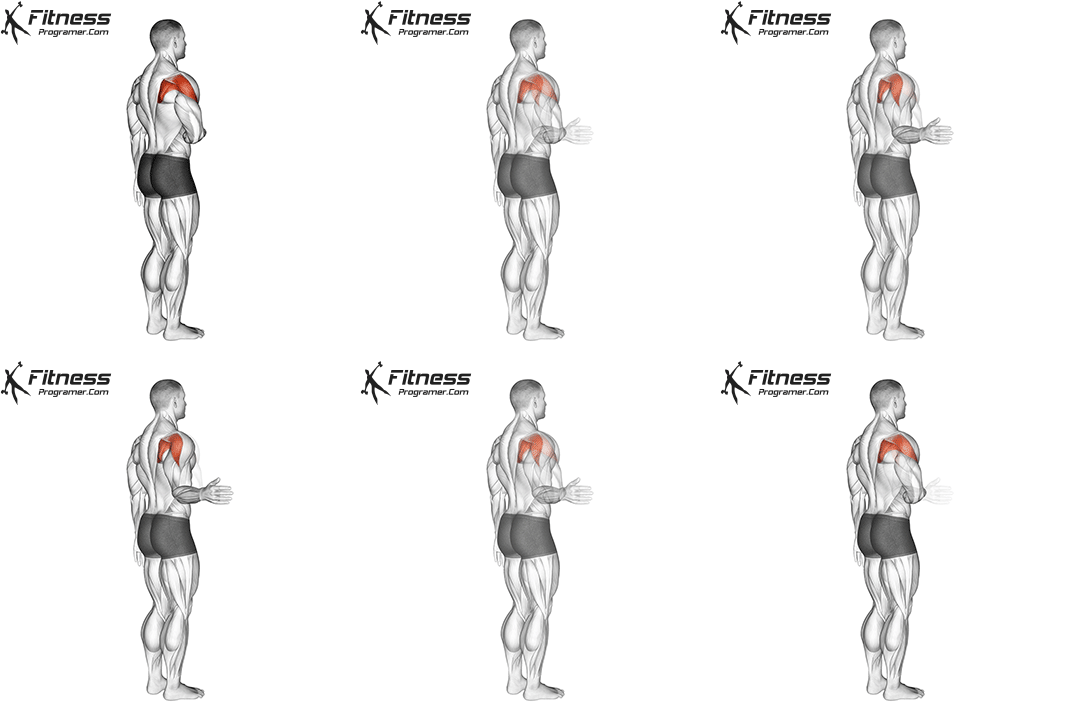
Shoulder External Rotation
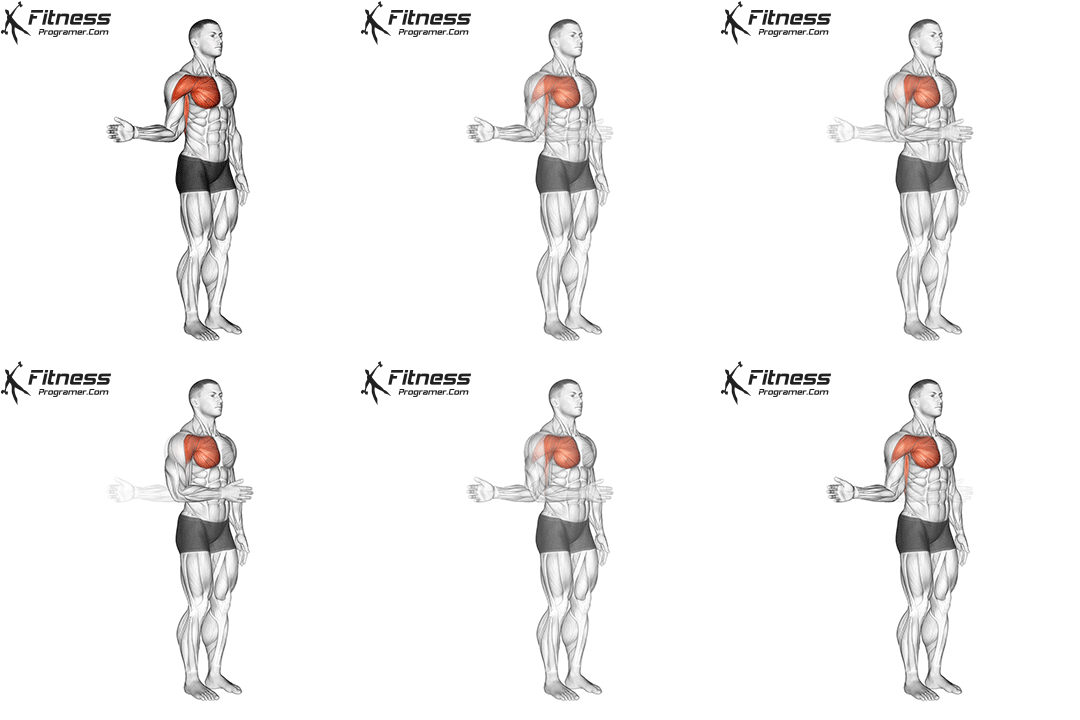
Shoulder Internal Rotation